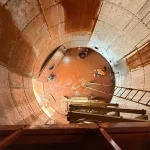
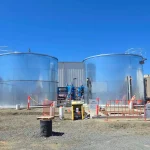
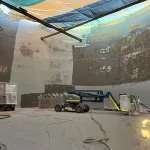
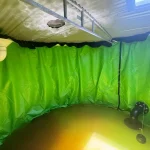
Large water tanks require regular inspections to maintain safe operating conditions. However, submerged areas are often difficult to inspect using traditional methods. Draining tanks may create operational delays and additional maintenance costs. Manual inspections can also increase confined space risks for workers.
Modern underwater inspection technology helps facilities assess submerged infrastructure more efficiently. Remote systems now support safer and faster condition monitoring.
Understanding underwater tank assessment technology helps operators improve long-term infrastructure management.
Why Underwater Tank Inspections are Necessary
Submerged tank surfaces experience constant exposure to water conditions. Over time, corrosion, sediment, and coating deterioration may develop internally. Some defects remain hidden below the waterline during standard visual inspections. Ignoring these issues may increase long-term structural risks.
Routine underwater assessments help identify problems before conditions worsen. Early detection supports safer maintenance planning and infrastructure reliability.
Utilities often inspect submerged areas regularly to reduce unexpected repair costs.
Challenges of Traditional Underwater Inspections
Traditional underwater inspections often require draining the tank completely. This process may interrupt operations and increase downtime significantly. Large tanks can take considerable time to drain and refill. Water disposal may also create environmental and logistical challenges.
Manual inspections inside drained tanks involve confined space procedures. These conditions increase operational complexity and safety concerns.
Facilities reviewing large tank inspection challenges often seek alternatives that reduce operational disruption.
How Underwater Inspection Technology Works
Modern underwater systems use remotely operated equipment during inspections. Operators control the equipment from outside the tank environment. Cameras capture real-time visual footage of submerged surfaces. High-resolution imagery improves inspection visibility considerably.
Some systems also collect measurement and structural condition data. Advanced lighting helps inspectors assess dark underwater environments.
Remote technologies improve inspection coverage without requiring tank drainage.
ROV Technology in Water Tanks
Many facilities use remotely operated vehicles during underwater assessments. ROV systems move through submerged tank areas safely and efficiently. Operators can inspect floors, walls, supports, and submerged components remotely.
Some ROV systems include stabilisation technology for clearer image capture. Others support sonar or advanced scanning capabilities.
Remote tools improve access to difficult underwater locations significantly. Utilities often integrate ROV systems into broader ROV tank inspections programs.

Reduced Operational Downtime
One major advantage of underwater inspection technology is reduced downtime. Some inspections occur while tanks remain operational. Facilities avoid lengthy draining and refilling procedures during routine assessments. This improves maintenance scheduling flexibility significantly.
Reduced downtime also lowers operational disruption and maintenance costs. Utilities managing critical infrastructure benefit from improved system availability.
Many organisations focus on remote inspection downtime reduction during infrastructure planning.
Improved Worker Safety
Remote underwater systems reduce direct worker exposure during inspections. Fewer confined space entries improve overall maintenance safety. Inspectors remain outside hazardous underwater environments during assessments.
Reduced exposure lowers operational risk and simplifies safety planning. Modern inspection technology supports safer maintenance procedures across many industries.
Worker safety remains a major reason facilities adopt remote inspection methods.
Better Inspection Visibility
Underwater environments often limit visibility during manual inspections. Sediment and low lighting may affect inspection quality. Modern camera systems improve visual clarity underwater significantly. High-resolution footage supports more accurate condition assessments.
Detailed imagery helps inspectors identify corrosion and coating damage earlier. Visual records also improve maintenance documentation and repair planning.
Facilities using manual tank inspection risks assessments often adopt remote visual technologies for safer inspections.
Supporting Preventive Maintenance
Preventive maintenance depends on accurate infrastructure data. Routine underwater assessments help facilities monitor structural conditions consistently. Early defect detection usually reduces repair costs and operational risks.
Remote inspections also improve long-term maintenance scheduling and budgeting. Utilities benefit from proactive asset management strategies supported by visual inspection data.
Frequent monitoring helps reduce unexpected infrastructure failures.
Technology Continues Advancing
Underwater inspection technology continues improving rapidly. Modern systems now provide better image quality and advanced navigation capabilities. Some equipment supports digital mapping and automated defect tracking. Artificial intelligence tools may also assist inspection analysis.
Utilities continue adopting advanced technologies across water infrastructure systems. Remote assessments are becoming increasingly common in maintenance planning.
Facilities managing elevated infrastructure sometimes combine underwater systems with elevated tank assessment technology for broader inspections.
Final Thoughts
Underwater tank inspections are essential for long-term infrastructure reliability. Traditional methods often create downtime, safety concerns, and operational challenges.
Modern underwater inspection technology improves efficiency and inspection visibility significantly. ROV systems support safer and more detailed submerged assessments.
Remote inspection tools help facilities improve preventive maintenance planning. As technology advances, underwater inspections will continue improving infrastructure management strategies.