Water utilities manage complex infrastructure systems every day. Elevated tanks require regular inspections to maintain safe operating conditions. Traditional inspections often involve safety risks and operational delays. Large structures can also be difficult and expensive to access manually.
Drone technology helps utilities assess elevated tanks more efficiently. Remote inspection tools now support safer and faster maintenance planning.
Understanding elevated tank assessment technology helps operators improve long-term asset management.
Why Elevated Tanks Require Regular Assessments
Elevated tanks remain exposed to changing environmental conditions. Rain, wind, heat, and moisture gradually affect structural surfaces. External coatings may deteriorate over time. Corrosion can also develop around joints and support structures.
Routine inspections help identify early signs of damage. Preventive maintenance reduces the risk of larger structural problems later.
Utilities often inspect tanks regularly to support infrastructure reliability.
Challenges of Traditional Tank Inspections
Manual inspections can create several operational difficulties. Workers often require scaffolding, lifts, or rope access systems. Inspection preparation may take significant time and resources. Some projects also require temporary operational restrictions.
Weather conditions may delay field activities. Strong wind creates additional safety concerns during elevated work. Large tanks sometimes contain difficult-to-access structural areas.
Facilities evaluating maintenance strategies often review manual tank inspection risks before scheduling inspections.
How Drone Technology Supports Assessments
Drone systems capture detailed visual information remotely. Operators can inspect elevated structures without direct physical access. Modern drones provide high-resolution imagery of external tank surfaces. Some systems also support thermal and corrosion analysis.
Remote visual tools help maintenance teams assess conditions more efficiently. Inspection teams can identify coating failures, corrosion, and visible defects earlier.
Drone technology improves inspection visibility across large structures.
Faster Access to Difficult Areas
Some elevated tanks are challenging to inspect manually. Traditional access methods may increase project complexity and downtime. Drones can safely capture imagery from difficult locations quickly. This improves inspection efficiency during routine assessments.
Remote systems also help inspectors examine roofs and upper support structures. Utilities managing older infrastructure often rely on remote tools for improved accessibility.
Facilities dealing with large tank inspection challenges frequently use drone-assisted assessments.
Reduced Operational Disruption
Utilities aim to minimise interruptions during maintenance activities. Extended downtime may affect water supply operations and scheduling. Drone inspections usually require less setup than traditional inspections. Remote assessments often reduce field time significantly.
Some inspections occur while systems remain operational. Reduced disruption improves operational flexibility during maintenance projects.
Utilities benefit from faster inspection scheduling and shorter maintenance delays.
Improved Inspection Safety
Worker safety remains a major priority during elevated inspections. Working at height always creates additional operational risks. Drone technology reduces the need for direct physical access. Remote systems minimise exposure to hazardous working conditions.
Fewer workers may be required during some inspection projects. This can improve overall maintenance safety planning.
Many organisations adopt remote technologies primarily to reduce operational risk exposure.
Better Visual Documentation
Modern maintenance programs depend on accurate visual records. Drone inspections create detailed photo and video documentation. Inspection teams can compare historical images across maintenance cycles. This supports long-term condition monitoring and repair planning.
Visual records also improve communication between maintenance teams and contractors. Detailed imagery helps utilities prioritise maintenance activities more effectively.
Facilities focused on efficiency often explore remote inspection downtime reduction strategies during asset management planning.
Supporting Preventive Maintenance
Preventive maintenance reduces unexpected infrastructure failures. Routine assessments help utilities identify issues before conditions worsen. Small defects are usually easier and less expensive to repair early.
Drone inspections support more frequent visual monitoring across large infrastructure networks. Utilities can assess multiple assets efficiently during scheduled maintenance programs.
Improved inspection frequency supports proactive infrastructure management.
Drone and ROV Technologies Often Work Together
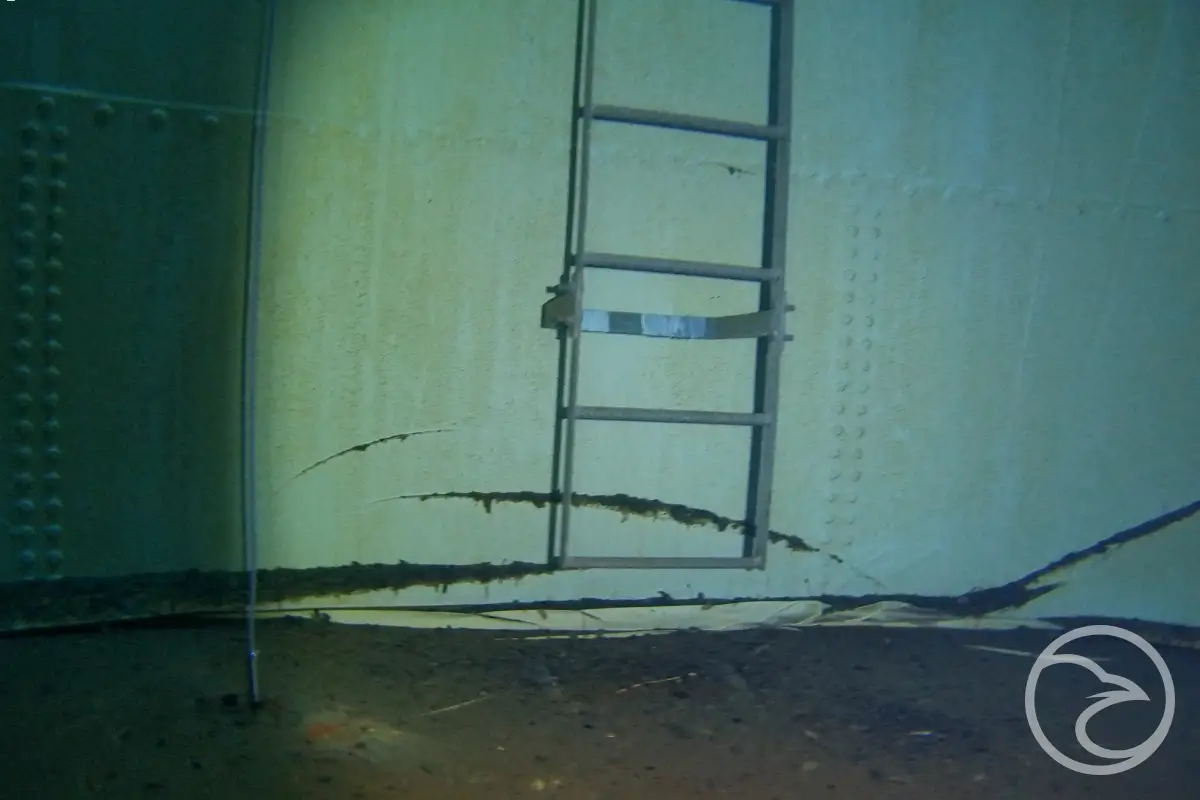
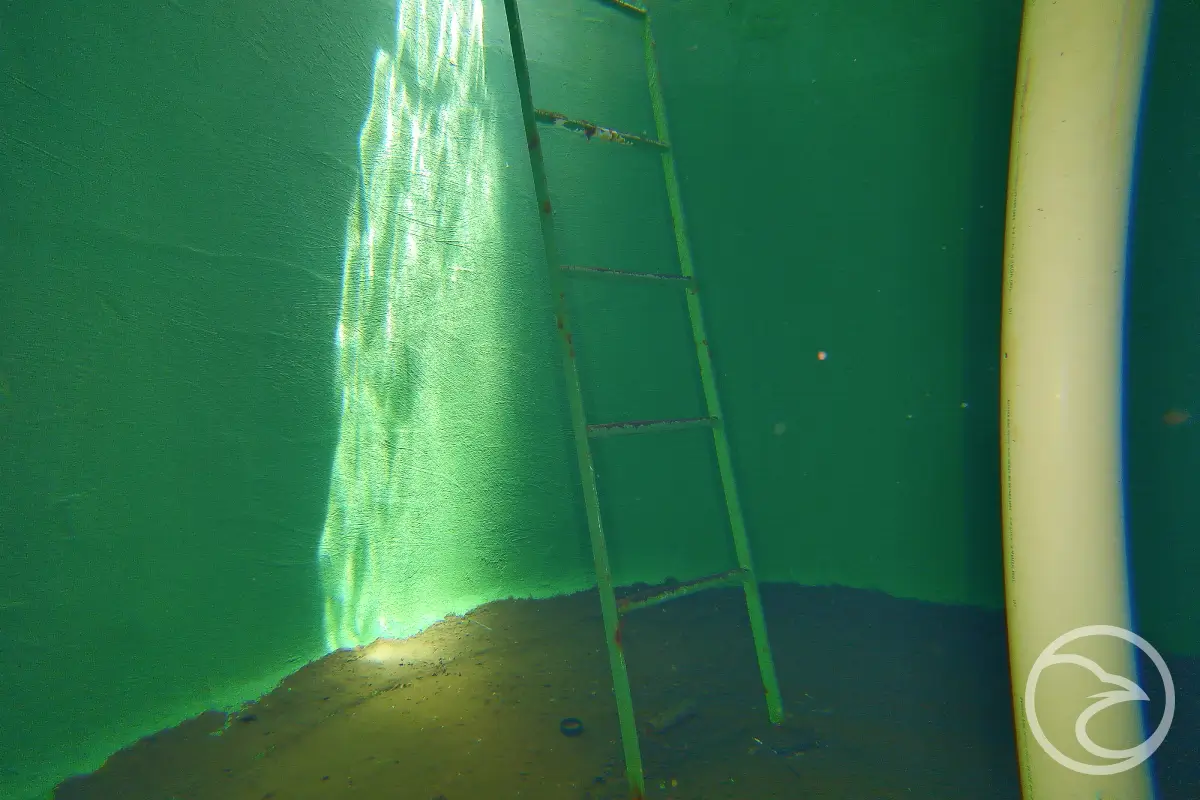
Many utilities combine multiple remote inspection technologies. Drone systems inspect elevated external structures and visible surfaces. ROV systems often assess submerged or difficult underwater areas. Together, these technologies improve inspection coverage significantly.
Remote tools help utilities reduce operational disruption during maintenance. Some facilities combine drone assessments with ROV tank inspections for more comprehensive infrastructure evaluations.
Cost and Efficiency Benefits
Traditional inspections may require expensive access equipment. Scaffolding and lifts can increase project costs considerably. Drone systems often reduce labour and setup requirements. Faster inspections also improve maintenance scheduling efficiency.
Utilities benefit from reduced downtime and improved operational planning. Remote technologies continue improving inspection productivity across the industry.
Final Thoughts
Elevated water tanks require regular condition assessments to remain reliable. Traditional inspection methods often create safety and operational challenges.
Drone technology helps utilities inspect infrastructure more efficiently and safely. Remote systems improve access, documentation, and maintenance planning.
Modern inspection technologies support proactive asset management strategies. As infrastructure systems continue aging, remote inspections will become increasingly important.