A fire water tank plays a critical role in emergency preparedness. It stores water that may be needed when a fire protection system is activated.
The tank lining is one of the most important components of the structure. It protects internal surfaces from corrosion, moisture damage, and contamination.
Over time, even high-quality linings begin to deteriorate. Learning to recognize the signs a fire water tank lining needs replacement can help facility owners address problems early, prevent costly repairs, and extend the service life of the tank.
Understanding these warning signs also supports better maintenance planning and helps ensure the long-term reliability of fire protection systems.
Here are seven common signs that a commercial fire water tank liner may need replacement.
Why Tank Linings Deteriorate
Tank linings operate in challenging conditions. Constant contact with water gradually affects their performance.
Several factors contribute to lining degradation:
- Age and natural wear
- Water chemistry
- Sediment accumulation
- Temperature fluctuations
- Inadequate maintenance
- Mechanical damage
Regular inspections help identify issues before they become serious.
1. Visible Cracks or Peeling
One of the most obvious warning signs is visible damage to the lining surface. Cracks may appear as the material ages. Sections of the lining can also begin peeling away from the tank wall.
When this happens, the protective barrier becomes compromised. Water can reach the underlying steel or concrete. Even small cracks should not be ignored. They often indicate that the lining is nearing the end of its service life.
2. Rust Appearing Inside the Tank
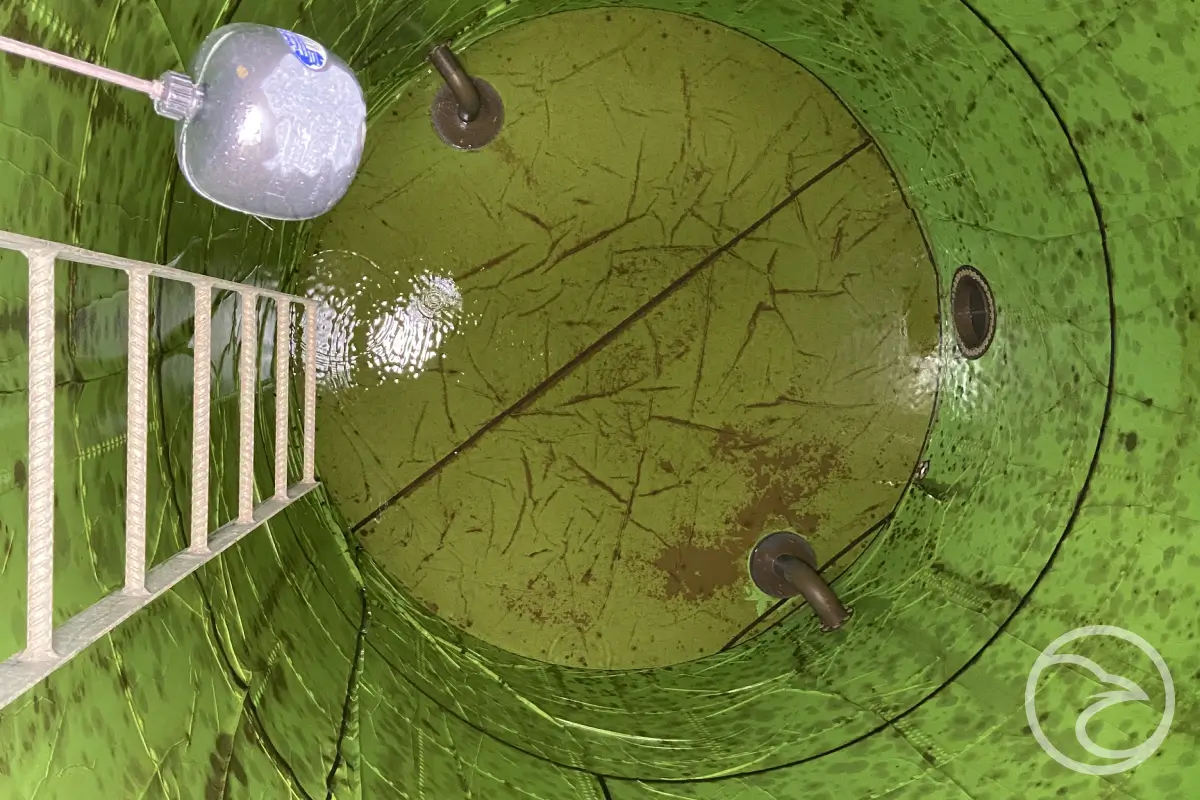
Rust is a strong indicator that the lining is no longer providing adequate protection. Corrosion develops when water reaches exposed metal surfaces. Once rust forms, deterioration can accelerate quickly.
Look for:
- Rust-colored stains
- Corroded wall sections
- Discoloration around joints
- Flaking metal surfaces
Early intervention can help limit structural damage.
3. Changes in Water Appearance
Stored water should remain relatively clean and clear. A failing lining can contribute to water quality issues. Particles from deteriorating coatings may enter the water supply.
Common signs include:
- Cloudy water
- Unusual discoloration
- Increased debris
- Visible particles
While several factors can affect water quality, lining failure should always be considered during an investigation.
4. Blisters or Bubbling on the Surface
Blistering occurs when moisture becomes trapped beneath the lining. These raised areas indicate that the coating is losing adhesion to the substrate.
As blistering spreads, larger sections may separate from the tank wall. This problem often develops gradually. However, it can quickly lead to widespread coating failure if left untreated.
5. Excessive Sediment Buildup
Sediment naturally accumulates in most water storage tanks over time. However, excessive buildup may indicate that the lining is deteriorating. Fragments of coating material can mix with existing sediment deposits.
Heavy sediment accumulation can also accelerate wear on internal surfaces. Facility managers should understand how sediment affects both water quality and tank performance. For additional information, see understanding tank sediment buildup and water quality risks.
Regular cleaning programs help reduce these risks.
6. Increasing Maintenance Requirements
A tank that requires frequent repairs may have an underlying lining problem. Temporary fixes can address isolated issues. However, repeated maintenance often signals broader deterioration.
Warning signs include:
- Recurring corrosion problems
- Repeated patch repairs
- Frequent cleaning requirements
- Ongoing water quality concerns
In many cases, replacement becomes more cost-effective than continual repairs. Evaluating long-term maintenance costs can support better asset management decisions.
7. Inspection Reports Identify Coating Defects
Professional inspections provide valuable insight into tank condition. Inspectors can identify problems that may not be visible during routine observations.
Common findings include:
- Coating delamination
- Surface cracking
- Corrosion beneath the lining
- Adhesion failure
- Material degradation
Inspection reports often help determine whether repair or replacement is the best option. A structured assessment process can identify issues before they affect system reliability. Learn more about the fire tank inspection process and the role inspections play in long-term tank maintenance.
When Should a Lining be Replaced Instead of Repaired?
Not every defect requires complete replacement. Small, isolated issues can sometimes be repaired successfully.
Replacement is often recommended when:
- Damage affects large areas
- Corrosion is widespread
- Multiple repairs have already been completed
- The lining has reached the end of its expected lifespan
- Inspection results show significant deterioration
A professional condition assessment can help determine the most appropriate solution. Making the right decision early may reduce future maintenance costs and minimize operational disruptions.
Conclusion
Tank linings are essential for protecting fire water storage systems from corrosion and contamination. Visible cracks, rust, water quality issues, blistering, sediment buildup, recurring maintenance, and failed inspections can all indicate deterioration.
Recognizing these warning signs early allows facility owners to plan maintenance more effectively. Understanding the signs a fire water tank lining needs replacement helps prevent unexpected failures and supports long-term system reliability.
A well-maintained fire water tank lining remains one of the most effective ways to protect the integrity and reliability of a fire water storage tank.