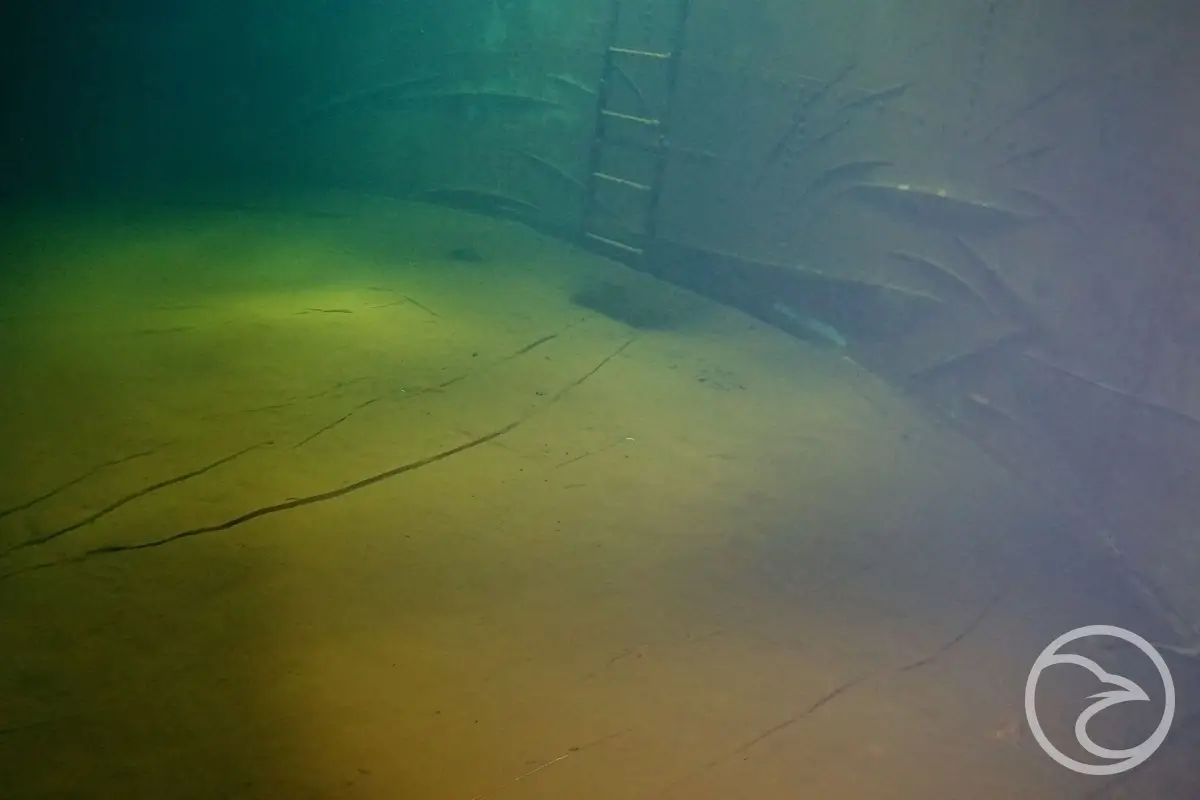
Technology continues to transform the way infrastructure assets are inspected and maintained. Fire tanks are no exception. Traditional fire tank inspections often require significant planning, specialised equipment, and in some cases, confined space entry. While these methods remain important, drone technology is creating new opportunities for safer and more efficient inspections.
Today, drones are helping inspectors gather detailed information while reducing risks and improving access to difficult areas.
As technology continues to evolve, drone-assisted inspections are becoming an increasingly valuable tool for fire tank assessment and maintenance.
Why Fire Tank Inspections Matter
Fire tanks play a critical role in fire protection systems. They store water needed for firefighting equipment such as hydrants, sprinklers, and pumps. To remain reliable, fire tanks require regular inspections and maintenance.
Inspections help identify:
- Structural defects
- Corrosion
- Sediment accumulation
- Water contamination
- Damaged components
- Maintenance requirements
Regular professional fire tank inspection help ensure the system can perform when needed most.
Challenges of Traditional Fire Tank Inspections
Traditional inspection methods can be effective, but they may present several challenges. Inspectors often need to access difficult or elevated areas. Internal inspections may require confined space procedures and specialised safety controls.
Common challenges include:
- Limited visibility
- Restricted access
- Safety risks
- Extended inspection times
- Operational disruption
These challenges have encouraged the adoption of new technologies.
What are Inspection Drones?
Inspection drones are remotely operated aircraft equipped with cameras and imaging systems. They can capture high-quality visual data from areas that may be difficult or unsafe for personnel to access directly.
Modern inspection drones may include:
- High-resolution cameras
- Video recording systems
- Zoom capabilities
- Thermal imaging sensors
- Real-time data transmission
These features allow inspectors to assess asset conditions from a safe distance.
Improving Safety During Inspections
Safety is one of the most significant benefits of drone technology. Traditional inspections sometimes require personnel to work at heights or enter confined spaces.
Drone-assisted inspections can reduce exposure to these hazards.
Benefits include:
- Reduced confined space entry
- Less work at heights
- Lower risk exposure
- Improved inspection planning
- Safer data collection
By reducing physical access requirements, drones help create a safer inspection environment.
Accessing Difficult Areas
Many fire tanks contain areas that are difficult to inspect using conventional methods.
Examples include:
- Roof structures
- Elevated pipework
- External walls
- Large storage tanks
- Hard-to-reach fittings
Drones can quickly access these locations and provide detailed visual information. This improved accessibility allows inspectors to evaluate areas that may otherwise receive limited attention.
Detecting Visible Defects
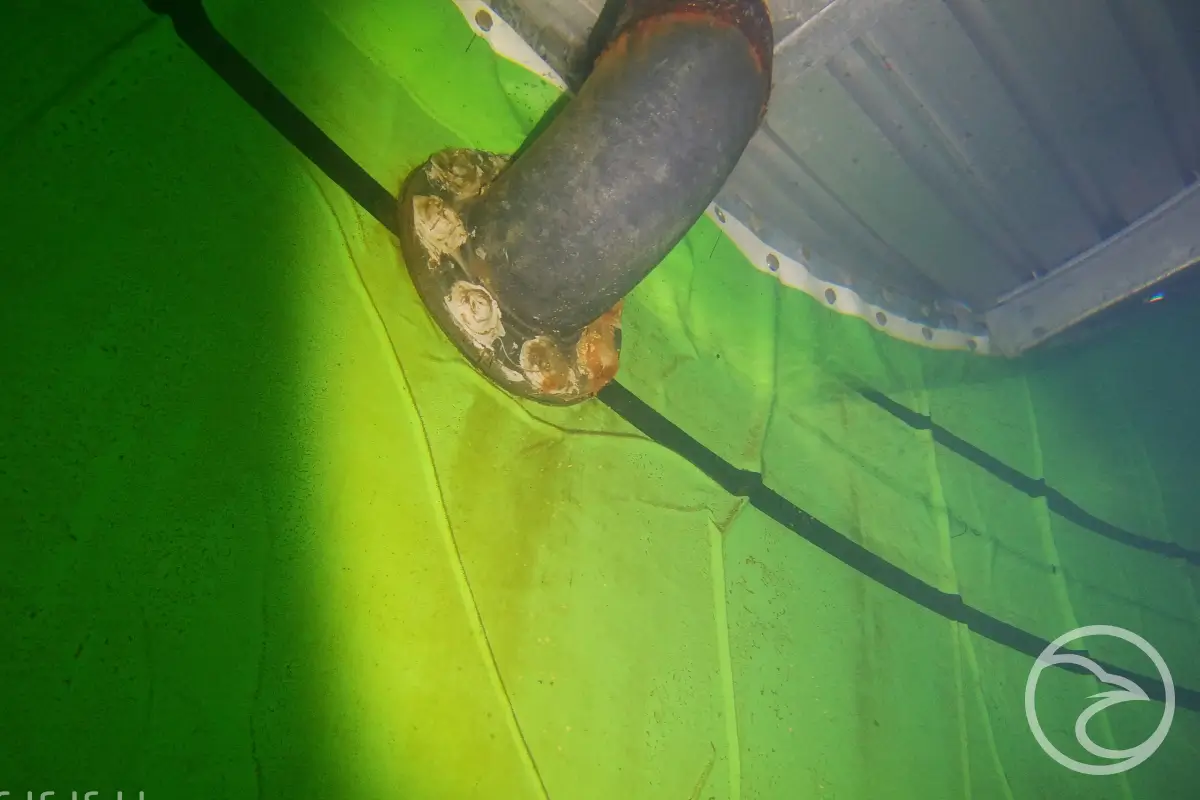
Drone technology is particularly useful for identifying visible defects. High-resolution cameras can capture detailed images of tank components and surfaces.
Inspectors may use drones to identify:
- Corrosion
- Surface damage
- Roof defects
- Structural deterioration
- Water leaks
- Coating failures
Early detection supports more effective maintenance planning. Many of these issues are discussed in common problems found during fire tank inspections.
Faster Inspection Processes
Traditional inspections can require significant preparation and site access arrangements. Drone inspections often reduce the time required to gather information.
Advantages may include:
- Faster site assessments
- Reduced setup time
- Improved efficiency
- Less operational disruption
- Faster reporting
This allows maintenance teams to make decisions more quickly.
Supporting Better Documentation
Inspection reports are an important part of asset management.
Drone technology can improve documentation by providing:
- High-quality images
- Video footage
- Visual inspection records
- Historical comparison data
These records help facility managers track changes over time. They also support maintenance planning and compliance activities.
Drone Technology and Compliance
Although drones can improve inspections, they do not replace compliance requirements. Property owners remain responsible for maintaining fire protection assets according to applicable standards and maintenance obligations.
ROV drone inspections s can support compliance by providing additional information about asset condition.
They may assist with:
- Asset monitoring
- Defect identification
- Maintenance planning
- Condition reporting
Monitoring Tank Condition Over Time
One of the advantages of digital inspection data is the ability to compare results over time.
Repeated drone inspections allow inspectors to monitor:
- Corrosion progression
- Structural changes
- Surface deterioration
- Maintenance outcomes
This helps organisations develop more proactive maintenance strategies. Rather than waiting for major failures, facility managers can address issues at an earlier stage.
When Drones are Most Useful
Drone inspections are particularly beneficial for large or complex assets.
They may be useful when:
- Access is difficult
- Safety risks are elevated
- Rapid assessments are required
- Large surface areas need review
- Detailed visual records are needed
In many cases, drones complement traditional inspection methods rather than replace them.
The Future of Fire Tank Inspections
Drone technology continues to advance.
Future developments may include:
- Improved imaging systems
- Automated defect detection
- Artificial intelligence analysis
- Enhanced data integration
- More advanced reporting tools
These innovations may help inspectors collect and interpret information more efficiently. As adoption increases, drone technology is likely to become an even more common part of fire tank inspection programs.
Combining Technology with Preventive Maintenance
Technology alone cannot maintain a fire tank. However, it can provide valuable information that supports better decision-making.
When combined with routine inspections and maintenance, drone technology helps organisations:
- Improve asset visibility
- Detect issues earlier
- Reduce safety risks
- Improve maintenance planning
- Extend asset life
This proactive approach supports long-term fire protection system performance.
Conclusion
Drone technology is changing the way fire tanks are inspected and maintained. By improving safety, increasing accessibility, and providing high-quality inspection data, drones offer significant advantages for asset owners and maintenance teams.
While traditional inspection methods remain important, drone-assisted inspections can help identify defects more efficiently and support ongoing asset management.