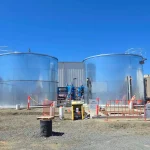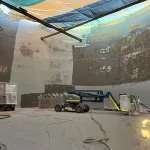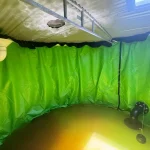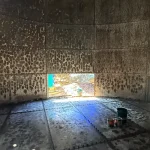
Utilities and industrial facilities depend on reliable infrastructure systems. Storage tanks require regular inspections to maintain safe operating conditions. Traditional inspections often create operational interruptions and scheduling challenges. Large maintenance projects may also increase downtime costs significantly.
Remote inspection tools help facilities reduce these disruptions. Modern technologies improve inspection efficiency while supporting safer operations.
Understanding remote inspection downtime reduction helps operators improve long-term maintenance planning.
Why Downtime Creates Operational Challenges
Large tanks support critical water and industrial systems. Unexpected shutdowns may affect operations across multiple facilities. Draining systems and preparing for inspections often takes significant time. Some maintenance projects may interrupt supply or production schedules.
Operational downtime can also increase labour and contractor costs. Facilities managing emergency storage systems face additional reliability concerns.
Reducing interruptions has become a major priority during infrastructure maintenance.
Traditional Inspection Methods Often Require Shutdowns
Manual inspections usually involve extensive preparation work. Workers may require confined space permits and access equipment. Some inspections also require complete tank drainage beforehand. Refilling and testing procedures may extend project timelines further.
Large tanks often remain offline longer than originally expected. Weather conditions may create additional delays during external inspections.
Facilities reviewing manual tank inspection risks often seek safer and more efficient alternatives.
How Remote Inspection Tools Work
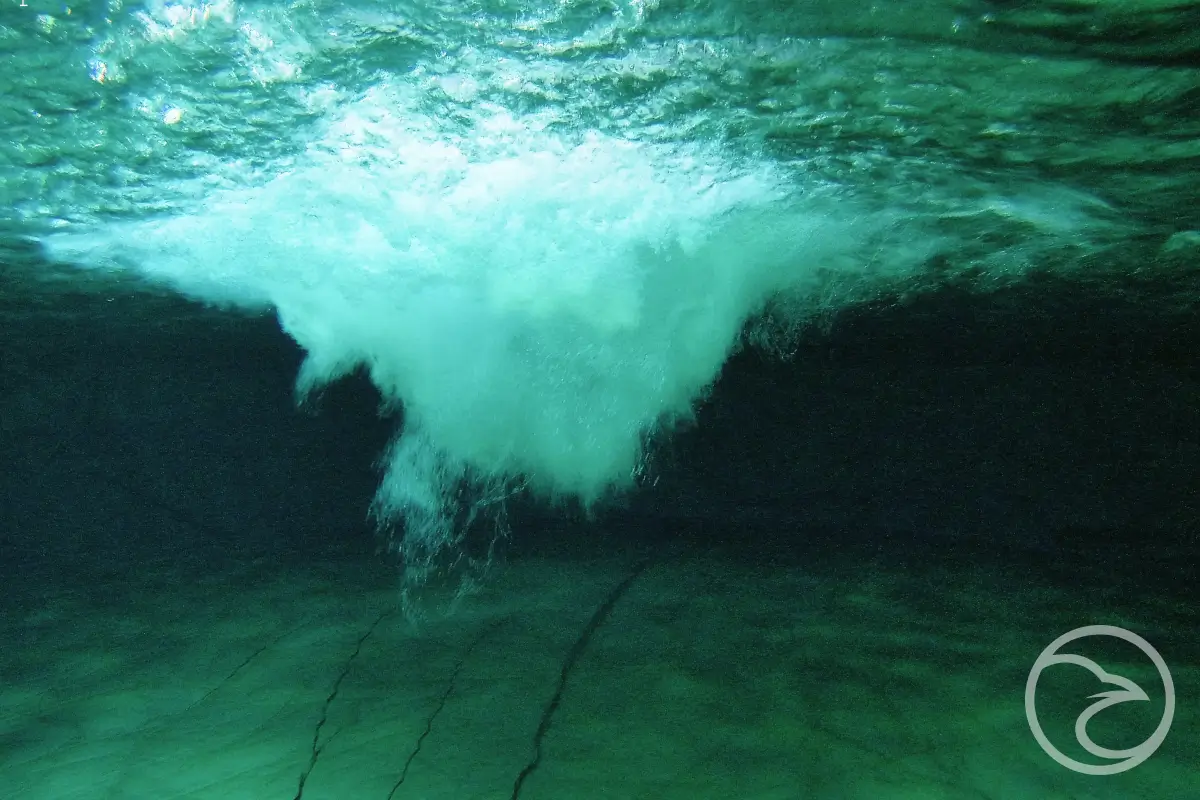
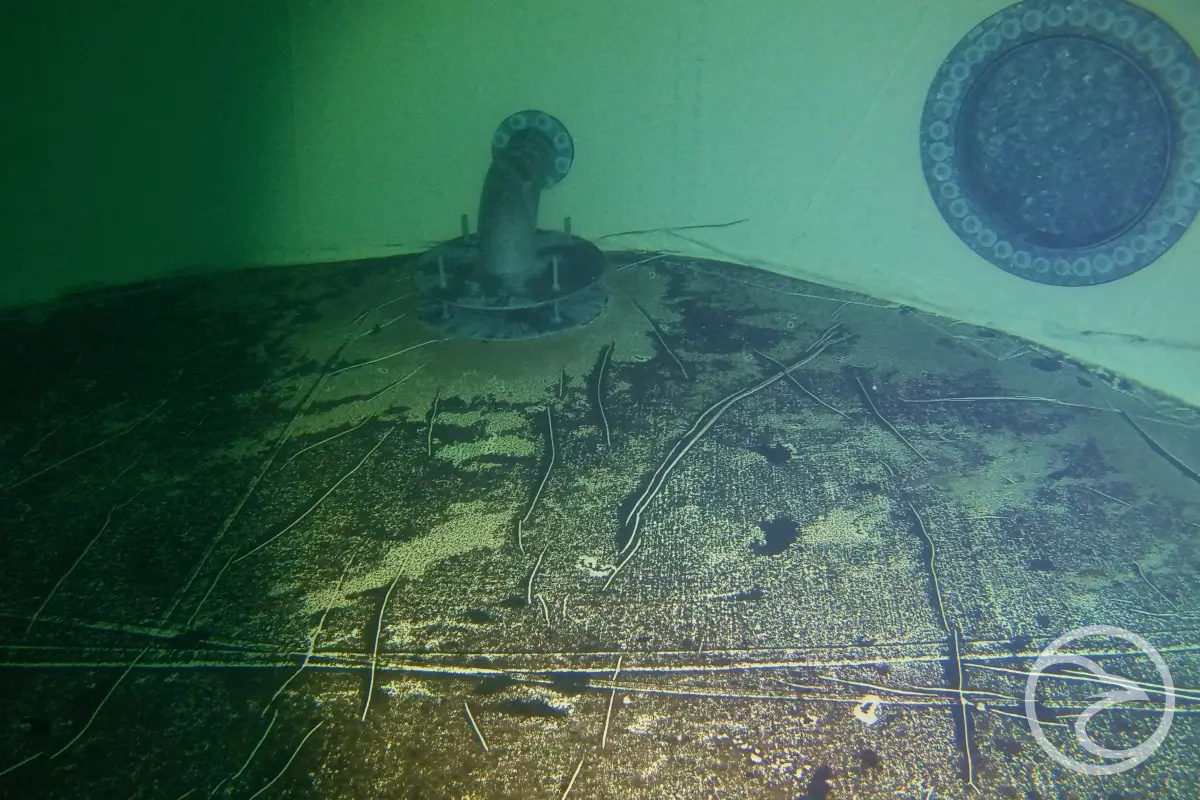
Remote inspection technologies allow assessments without direct physical entry. Operators collect visual data using drones, cameras, and underwater systems. Some tools inspect elevated structures from outside the tank. Others assess submerged or difficult-to-access internal areas.
Modern systems provide high-resolution imagery and detailed condition data. Remote inspections improve visibility while reducing operational disruption.
Faster Inspection Preparation
Traditional inspection setup can take several days. Scaffolding, permits, and confined space planning increase project complexity. Remote systems usually require less preparation time. Some inspections begin immediately after equipment deployment.
Faster setup improves maintenance scheduling flexibility significantly. Utilities benefit from shorter inspection timelines and improved operational continuity.
Reduced Need for Tank Draining
Draining large tanks creates major operational challenges. Water disposal and system interruptions often increase maintenance costs. Some remote inspection tools operate while tanks remain partially operational. This reduces downtime during routine maintenance activities.
Facilities can maintain service continuity more effectively during assessments. Reducing shutdown frequency also improves infrastructure reliability planning.
Utilities using underwater tank assessment technology often minimise disruptions during internal inspections.
Improved Access to Difficult Areas
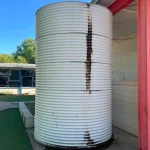
Large tanks may contain difficult-to-reach structural areas. Traditional inspections sometimes provide limited visibility. Remote systems capture detailed imagery from elevated and confined locations. This improves inspection coverage significantly.
Drone systems assess roofs and external structures efficiently. ROV systems inspect submerged areas safely.
Improved visibility helps maintenance teams identify defects earlier.
Better Maintenance Planning
Accurate inspection data supports proactive maintenance strategies. Visual records help facilities monitor infrastructure conditions over time. Maintenance teams can prioritise repairs more effectively using remote data.
Detailed imagery also improves budgeting and asset management planning. Facilities using remote systems often schedule maintenance earlier. Preventive repairs usually cost less than emergency corrective work.
Remote inspections support long-term infrastructure reliability.
Lower Safety Risks
Remote technologies reduce worker exposure during inspections. Fewer confined space entries improve workplace safety conditions. Elevated inspections also become safer using drone systems. Workers spend less time in hazardous environments.
Reduced exposure lowers operational risk during maintenance activities. Many facilities adopt remote tools primarily to improve safety performance.
Utilities managing elevated structures often use elevated tank assessment technology during routine inspections.
Supporting More Frequent Assessments
Traditional inspections may occur less frequently because of operational disruption. Remote systems make routine monitoring easier and faster. Facilities can inspect infrastructure more consistently without major shutdowns.
Frequent assessments improve early defect detection significantly. Small problems are easier to repair before severe deterioration develops.
Improved monitoring supports better long-term asset management strategies.
Technology Continues Improving
Remote inspection technology continues evolving across the industry. Modern systems now provide better image quality and advanced analysis tools. Some technologies support automated reporting and digital asset tracking. Artificial intelligence may also assist defect identification.
Utilities continue expanding remote inspection programs across infrastructure networks. Remote assessments are becoming more common in water and industrial sectors.
Facilities facing large tank inspection challenges increasingly rely on advanced remote technologies.
Financial Benefits of Reduced Downtime
Operational interruptions often create expensive maintenance conditions. Shutdowns may affect production schedules and resource planning. Remote inspections help reduce labour, setup, and outage costs. Faster projects also improve operational efficiency.
Long-term savings become significant across large infrastructure systems. Facilities benefit from improved reliability and reduced maintenance disruption.
Final Thoughts
Operational downtime creates major challenges during tank inspections. Traditional inspection methods often increase delays and maintenance complexity.
Remote inspection technologies help facilities improve efficiency and safety. Modern tools reduce shutdowns while improving inspection visibility. Drone and ROV systems support proactive infrastructure management strategies.
As technology advances, remote inspections will continue improving maintenance operations. For additional information about advanced inspection solutions, explore professional ROV tank inspections services.