Water tanks play a vital role in storing safe and reliable water for commercial, industrial, municipal, and residential applications. Whether a tank is used for potable water, fire protection, or process water, regular maintenance is essential to ensure long-term performance.
One of the most common questions facility owners ask is how often a water tank should be cleaned. While there is no universal answer, cleaning frequency depends on several factors, including tank type, water quality, environmental conditions, and usage patterns.
Understanding when and why cleaning is required can help protect water quality, extend asset lifespan, and reduce maintenance costs.
Why Water Tank Cleaning is Important
Water tanks are constantly exposed to conditions that can contribute to contamination and sediment accumulation. Even when tanks are properly sealed, small amounts of debris, dust, organic matter, and minerals can enter the system over time.
Without regular cleaning, these materials may accumulate and affect:
- Water quality
- Storage capacity
- System efficiency
- Tank condition
- Regulatory compliance
Routine panel tank cleaning helps remove contaminants before they become a larger operational concern.
Is there a Standard Cleaning Frequency?
There is no single cleaning schedule that applies to every tank. The appropriate cleaning interval depends on the specific operating environment and the condition of the stored water.
Many facility owners adopt preventative maintenance schedules that include periodic inspections and condition assessments. Rather than relying solely on a fixed timetable, cleaning decisions are often based on inspection findings and asset condition.
This approach helps ensure maintenance is performed when it is actually needed.
Factors that Affect Cleaning Frequency
Several factors influence how often a water tank should be cleaned.
Water Source Quality
The quality of incoming water has a significant impact on tank cleanliness. Water sources that contain higher levels of minerals, sediment, or organic material may lead to faster contamination buildup.
Examples include:
- Rainwater systems
- Surface water sources
- Untreated water supplies
Poor source water quality often requires more frequent inspections and cleaning.
Tank Location
The environment surrounding a tank can influence contamination levels.
Outdoor tanks may be exposed to:
- Dust
- Wind-blown debris
- Vegetation
- Wildlife activity
These factors can increase the likelihood of contamination entering the system.
Tank Usage Patterns
Water turnover rates can affect sediment accumulation. Tanks that experience low water movement may allow contaminants to settle more quickly.
Conversely, tanks with regular water turnover often experience fewer water quality issues.
Tank Design
Different tank designs have varying maintenance requirements.
Factors that may influence cleaning frequency include:
- Tank size
- Internal configuration
- Access arrangements
- Roof condition
- Ventilation systems
A well-designed tank can help reduce contamination risks.
Signs a Water Tank may Need Cleaning
While preventative maintenance is important, tanks often provide warning signs when cleaning is required. Some indicators are obvious, while others may only become apparent during inspections.
Visible Sediment
Sediment accumulation is one of the most common signs that cleaning may be necessary.
Sediment can consist of:
- Dirt
- Sand
- Mineral deposits
- Organic material
Excessive buildup may reduce usable storage capacity.
Water Discolouration
Changes in water appearance can indicate contamination issues.
Possible signs include:
- Cloudiness
- Brown discolouration
- Visible particles
- Unusual water appearance
Water quality changes should always be investigated promptly.
Unpleasant Odours
Organic material and bacterial growth can sometimes cause unpleasant odours. Unusual smells may indicate that cleaning or further assessment is required.
Reduced Water Quality
A decline in water quality can occur gradually over time. Regular inspections help identify problems before they affect system performance.
Many of these warning signs are discussed in greater detail in our guide to common water tank cleaning signs.
The Role of Sediment in Tank Cleaning Decisions
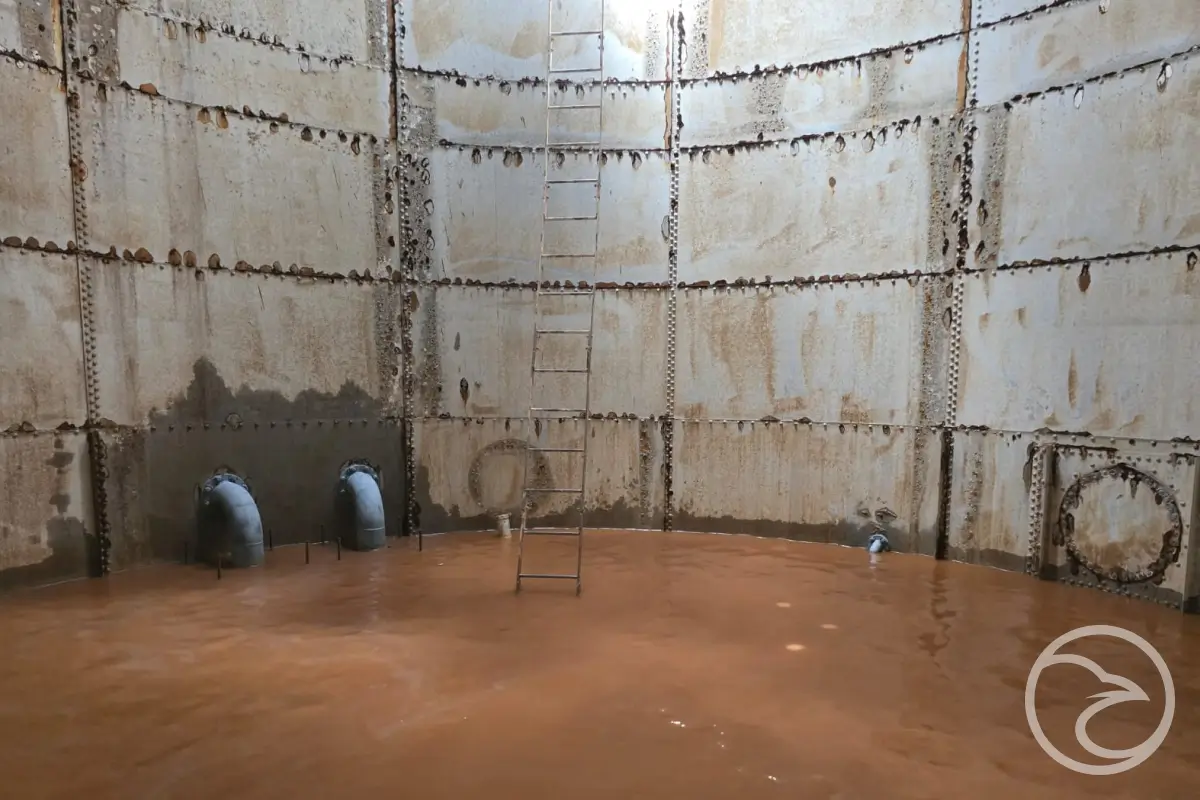
Sediment is one of the primary reasons tanks require cleaning. Over time, suspended particles settle on the tank floor and form deposits.
Although small amounts of sediment are normal, excessive accumulation can create several challenges.
Reduced Water Quality
A decline in water quality can occur gradually over time. Regular inspections help identify problems before they affect system performance.
The Role of Sediment in Tank Cleaning Decisions
Sediment is one of the primary reasons tanks require cleaning. Over time, suspended particles settle on the tank floor and form deposits.
Although small amounts of sediment are normal, excessive accumulation can create several challenges.
Accelerated Deterioration
Sediment may contribute to:
- Corrosion
- Surface wear
- Coating deterioration
Understanding how sediment affects water systems is important for effective maintenance planning. Learn more in understanding tank sediment buildup and water quality risks.
How Inspections Help Determine Cleaning Needs
Regular inspections are one of the most effective ways to determine whether cleaning is required. Rather than relying solely on time-based schedules, inspections provide real condition data.
Inspectors may assess:
- Sediment levels
- Water quality
- Internal surfaces
- Structural condition
- Signs of contamination
This information helps facility owners make informed maintenance decisions.
Risks of Delaying Tank Cleaning
Postponing cleaning activities may create several operational risks.
Water Quality Issues
Contaminants can continue accumulating if cleaning is delayed. This may affect water quality and increase treatment requirements.
Increased Maintenance Costs
Minor contamination issues often become more expensive to address over time. Routine cleaning helps prevent larger maintenance problems.
Reduced System Efficiency
Sediment and debris may interfere with normal tank operation. This can affect overall system performance.
Shortened Asset Lifespan
Poor maintenance practices may accelerate deterioration and increase long-term repair costs. Regular cleaning helps protect the condition of the tank and supporting infrastructure.
Creating a Preventative Cleaning Program
A proactive maintenance strategy is often the most effective approach.
Preventative programs typically include:
- Routine inspections
- Condition assessments
- Water quality monitoring
- Scheduled cleaning activities
- Maintenance recordkeeping
This approach allows facility owners to identify issues before they become significant problems. Regular tank cleaning should form part of a broader asset management strategy.
Benefits of Regular Water Tank Cleaning
Routine cleaning provides several important advantages.
These include:
- Improved water quality
- Reduced contamination risks
- Better system performance
- Increased storage efficiency
- Longer asset lifespan
- Lower maintenance costs
Preventative cleaning often delivers better long-term outcomes than reactive maintenance.
How Often Should Water Tanks be Cleaned?
Ultimately, cleaning frequency depends on the condition of the tank rather than a fixed schedule alone. Factors such as water quality, environmental conditions, sediment accumulation, and inspection findings should all influence maintenance decisions.
For most facilities, a combination of regular inspections and condition-based cleaning provides the most effective solution. This approach helps maintain water quality while avoiding unnecessary maintenance costs.
Conclusion
Water tanks require ongoing maintenance to ensure safe and reliable operation. While there is no universal cleaning interval, regular inspections and condition assessments provide valuable guidance on when cleaning should occur.
By monitoring sediment levels, water quality, and overall tank condition, facility owners can develop an effective maintenance strategy that protects both the stored water and the asset itself.