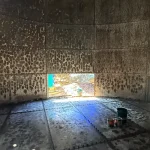
Storage tanks require regular inspections to maintain safe operating conditions. However, traditional inspection methods often create additional safety and operational risks. Many manual inspections involve confined spaces, elevated structures, and hazardous environments. These conditions increase complexity during maintenance activities.
Modern inspection technologies help reduce some of these challenges. Remote systems now support safer infrastructure assessments across many industries.
Understanding manual tank inspection risks helps facilities improve maintenance planning and worker safety.
Confined Space Hazards
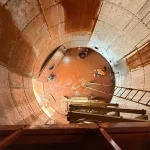
Many tanks qualify as confined spaces during inspections. Limited ventilation can create dangerous working conditions inside the structure. Inspectors may encounter low oxygen levels or harmful gases. Restricted access also complicates emergency response situations.
Confined space work requires specialised safety procedures and monitoring equipment. Entry permits, rescue planning, and continuous supervision are often necessary.
Facilities increasingly seek alternatives that reduce confined space exposure during inspections.
Fall Risks During Elevated Inspections
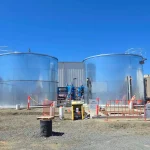
Some tanks require inspections at significant heights. Elevated water tanks create additional hazards for maintenance teams. Inspectors may need scaffolding, rope systems, or lifting equipment. Poor weather conditions can increase accident risks further.
Wind and rain often make elevated inspections more difficult and dangerous. Working at height remains one of the most serious operational risks during manual assessments.
Utilities exploring safer alternatives often adopt elevated tank assessment technology for difficult inspections.
Limited Visibility Inside Large Tanks
Large storage tanks are difficult to inspect thoroughly using manual methods. Some structural areas remain hard to access safely. Inspectors may have limited visibility inside dark or submerged environments. This increases the chance of overlooked defects.
Corrosion, coating damage, and structural deterioration sometimes remain hidden during visual inspections. Incomplete inspections may delay important maintenance decisions.
Facilities managing aging infrastructure often face significant large tank inspection challenges during manual assessments.
Operational Downtime
Traditional inspections often require system shutdowns. Large tanks may need draining before inspectors can enter safely. Downtime can disrupt facility operations and maintenance schedules. Utilities may also need temporary backup systems during inspections.
Draining and refilling large tanks requires additional time and resources. Operational interruptions often increase total project costs considerably.
Reducing downtime has become a major priority across industrial and municipal sectors.

Exposure to Contaminants
Tank interiors may contain sediment, bacteria, or chemical residue. Inspectors sometimes face direct exposure during cleaning and inspection activities. Biological contamination may affect air quality inside confined spaces. Sediment disturbance can also reduce visibility during inspections.
Protective equipment helps reduce exposure risks but does not eliminate them completely. Older tanks may contain years of accumulated debris and corrosion material.
Routine maintenance helps reduce severe contamination conditions over time.
Structural Instability Concerns
Aging tanks sometimes develop hidden structural problems. Corrosion may weaken internal supports or external surfaces gradually. Inspectors working inside deteriorating structures face additional safety concerns.
Manual inspections may place stress on already damaged components. This becomes especially concerning in older infrastructure systems. Early condition monitoring helps identify structural issues before they worsen.
Facilities increasingly use remote technologies to reduce direct exposure during assessments.
Weather-Related Delays
Outdoor inspections depend heavily on weather conditions. Rain, wind, and extreme temperatures often delay maintenance projects. Poor weather also increases safety risks during elevated work activities. Unexpected delays may affect operational schedules and contractor availability.
Utilities managing large infrastructure networks often experience scheduling challenges during seasonal weather changes. Remote technologies help reduce some weather-related inspection limitations.
High Labour Requirements
Manual inspections frequently require multiple workers and support teams. Confined space entry procedures increase staffing requirements further. Projects may involve safety supervisors, rescue personnel, and equipment operators.
Large inspection teams increase operational complexity and project costs. Preparation and setup time can also become significant.
Facilities increasingly seek more efficient inspection approaches to reduce labour-intensive procedures.
Why Remote Inspection Technology is Growing
Modern inspection technologies reduce many traditional inspection risks. Drone and ROV systems improve access to difficult environments safely. Remote tools help inspectors capture detailed visual data without direct exposure.
Some inspections now occur while systems remain operational. This improves maintenance efficiency and reduces operational disruption. Facilities focused on efficiency often explore remote inspection downtime reduction strategies during maintenance planning.
Remote inspection systems continue improving across industrial and municipal sectors.
Supporting Better Maintenance Planning
Accurate inspections support long-term infrastructure management. Early defect detection reduces the risk of expensive emergency repairs. Detailed visual documentation also improves maintenance decision-making.
Remote systems allow facilities to monitor tank conditions more frequently. Improved inspection frequency supports proactive asset management strategies.
Many organisations combine traditional expertise with underwater tank assessment technology for more complete evaluations.
Final Thoughts
Manual tank inspections remain important across many industries. However, traditional inspection methods involve several operational and safety risks. Confined spaces, elevated work, and limited visibility create complex maintenance conditions.
Modern remote inspection technologies help reduce many of these challenges. Drone and ROV systems improve safety, efficiency, and inspection quality. Facilities that invest in proactive inspection planning often achieve better long-term infrastructure reliability.
For additional information about remote inspection solutions, explore professional ROV tank inspections services.