Water tanks are available in many different designs, each developed to meet specific operational requirements. While the goal of refurbishment remains the same, the methods used can vary significantly depending on the tank’s construction and configuration.
Understanding how refurbishment approaches differ between tank designs helps facility owners plan projects more effectively and make informed asset management decisions.
Different structures require different refurbishment strategies, materials, and upgrade solutions.
Why Tank Design Matters
Every tank design has unique characteristics.
These characteristics influence:
- inspection requirements
- refurbishment techniques
- upgrade opportunities
- project complexity
- expected outcomes
A refurbishment strategy that works for one tank design may not be suitable for another. For this reason, tank design is often one of the first considerations when planning a refurbishment project.
Understanding Water Tank Refurbishment Methods
There is no single refurbishment process that applies to every tank. Instead, refurbishment projects are tailored to the specific structure and operational requirements of each asset.
Common water tank refurbishment methods may include:
- protective coating upgrades
- structural improvements
- roof refurbishment
- access system upgrades
- panel replacement
- component modernisation
The combination of methods depends on the design and condition of the tank.
Refurbishment of Sectional Tanks
Sectional tanks are commonly used in commercial, industrial, and fire protection applications. These tanks are constructed from multiple panels that are connected to form the complete structure. Because of this modular design, refurbishment often focuses on individual components rather than the entire tank.
Typical refurbishment activities may include:
- panel upgrades
- coating renewal
- roof improvements
- access system enhancements
- structural reinforcement
In many cases, sectional tank refurbishment allows owners to extend service life while retaining the existing tank structure. This can reduce disruption and improve project efficiency.
Refurbishment of Panel Tanks
Panel tanks share many characteristics with sectional tanks but may require specific refurbishment approaches depending on the materials and configuration used. The refurbishment process often focuses on preserving structural integrity and improving long-term performance.
Projects may include:
- panel assessment
- component replacement
- protective system upgrades
- structural improvements
Professional panel tank refurbishment are typically tailored to the design and condition of the individual tank. The objective is to maximise service life while maintaining operational reliability.
Refurbishment of Large Storage Tanks
Large storage tanks often present different challenges. Their size may influence project planning, access requirements, and refurbishment sequencing.
Refurbishment strategies frequently focus on:
- structural performance
- safety improvements
- operational efficiency
- long-term asset preservation
Project planning is particularly important when working with large-scale assets that support critical operations.
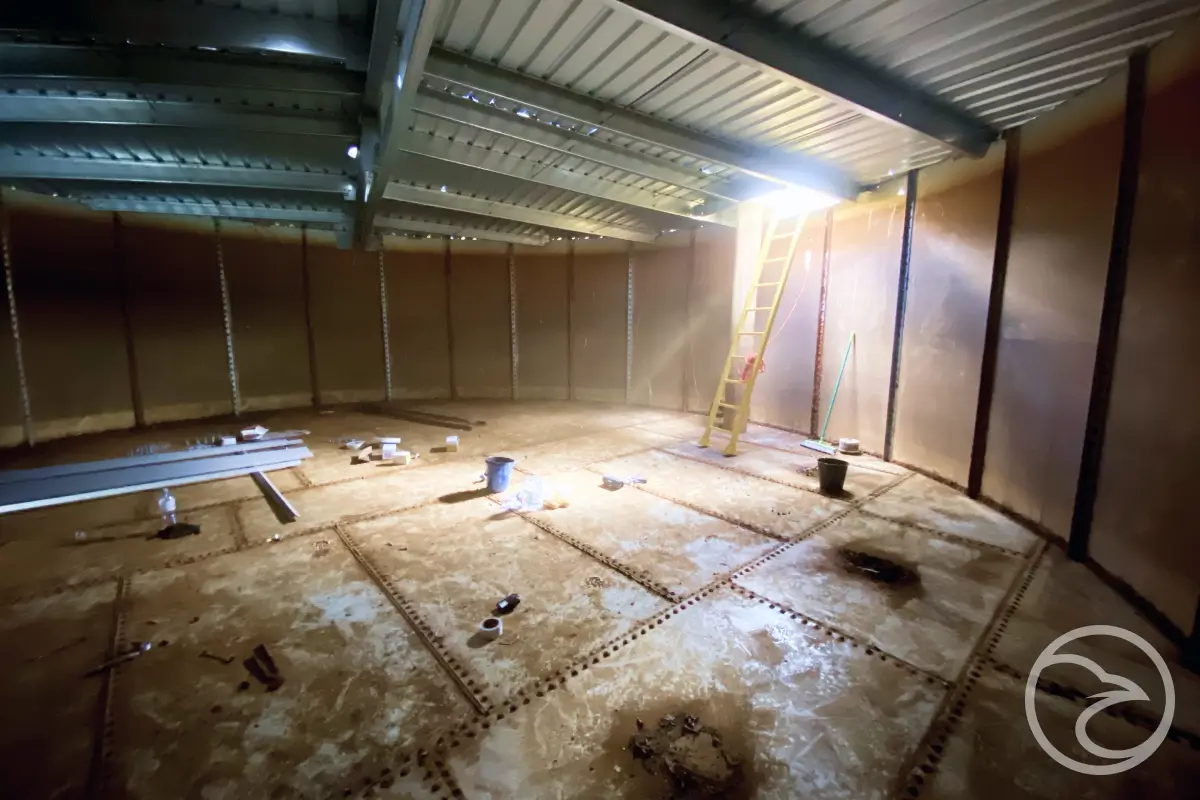
The Importance of Access Systems
Access systems are essential components of many water tanks. Ladders, platforms, walkways, and safety equipment may all be evaluated during refurbishment.
Requirements vary depending on tank design. For example, access upgrades for a large industrial tank may differ significantly from those required for a sectional tank.
Improving access systems can enhance both safety and maintenance efficiency.
Roof Refurbishment Requirements
Tank roofs play an important role in protecting water quality and maintaining structural performance. Different roof designs require different refurbishment approaches.
Factors that influence refurbishment decisions include:
- roof configuration
- environmental exposure
- operational requirements
- material condition
Roof refurbishment is often integrated into broader asset improvement projects.
Planning Refurbishment Around Operational Requirements
Operational needs are another important consideration. A tank supporting critical services may require a different refurbishment approach than a tank used for less demanding applications.
Planning often involves balancing:
- operational continuity
- project timelines
- safety requirements
- long-term asset performance
The most successful projects align refurbishment activities with operational objectives.
Choosing the Right Refurbishment Approach
Every tank design presents unique opportunities and challenges. Understanding these differences helps owners identify the most suitable refurbishment strategy.
Many organisations explore tank refurbishment services to determine which refurbishment methods best support their assets and operational goals.
A detailed assessment helps identify the most practical solution for each specific tank design.
Conclusion
Water tank refurbishment is not a one-size-fits-all process. Tank design influences every stage of a refurbishment project, from planning and assessment to implementation and long-term maintenance.
Understanding the differences between refurbishment approaches allows organisations to make better-informed decisions and achieve improved long-term outcomes.
For organisations evaluating whether restoration remains viable, understanding when to refurbish a water tank can provide additional insight into effective asset management planning.