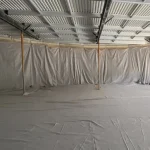
Water tanks are built to provide reliable water storage for residential, commercial, industrial, and agricultural applications. However, even well-designed tanks experience wear over time. Exposure to weather, corrosion, structural movement, and everyday use can eventually lead to damage that affects performance and safety.
Ignoring small issues often results in more extensive repairs and higher costs. A minor leak can develop into structural deterioration, while untreated corrosion may shorten the lifespan of the entire tank. Regular inspections and timely repairs help maintain water quality, improve reliability, and protect valuable infrastructure.
This guide explains the most common water tank problems, how they are identified, available repair methods, and the factors to consider when choosing the right repair solution. It also explores different tank types, repair costs, maintenance strategies, and when replacement may be a better option than repair.
What is Water Tank Repair?
Water tank repair is the process of restoring a damaged or deteriorated water storage system to safe and efficient operating condition. Repairs can address structural defects, leaks, corrosion, damaged liners, failed joints, or worn protective coatings.
The goal is not only to stop visible damage but also to restore the tank’s ability to safely store water over the long term.
Depending on the condition of the tank, repairs may involve:
- Sealing leaks
- Repairing cracks
- Replacing damaged liners
- Removing corrosion
- Restoring concrete surfaces
- Replacing seals and fittings
- Applying protective coatings
- Repairing roofs and access covers
Many repairs can be completed without replacing the entire tank. Early intervention often extends the service life of the asset while reducing overall maintenance costs.
Types of Water Tanks
Different tank materials experience different types of deterioration. Understanding the construction of a tank helps determine the most effective repair method.
Concrete Water Tanks
Concrete tanks are widely used because of their strength and long service life.
Over time, they may develop:
- Surface cracking
- Concrete spalling
- Joint deterioration
- Water seepage
- Reinforcement corrosion
Repair methods often include crack injection, concrete restoration, waterproof coatings, or internal liners.
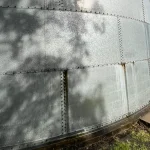
Steel Water Tanks
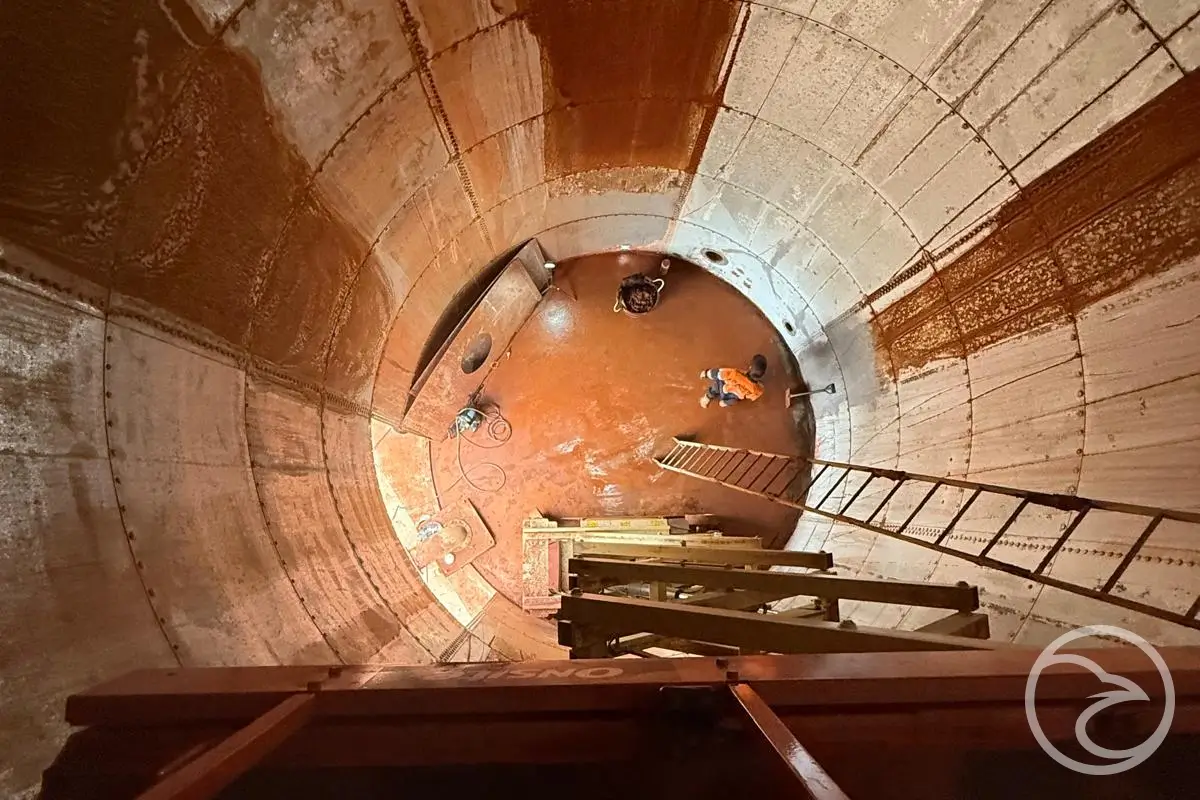
Steel tanks are common in commercial and industrial facilities. They offer high structural strength but require protection against corrosion.
Common repair issues include:
- Rust
- Corroded plates
- Weld failures
- Roof deterioration
- Leaking seams
Repairs may involve welding, plate replacement, corrosion treatment, or protective recoating.
Galvanised Steel Tanks
Galvanised tanks are protected by a zinc coating that helps reduce corrosion. As the protective coating ages, corrosion may begin to develop beneath damaged areas.
Typical repairs include:
- Localised corrosion treatment
- Protective coating restoration
- Panel replacement
- Internal liner installation
Panel Tanks
Panel tanks consist of modular sections connected with bolts and sealing gaskets. Their modular design makes individual components easier to replace.
Common repair requirements include:
- Gasket replacement
- Loose fasteners
- Panel corrosion
- Joint leaks
- Damaged liners
Poly Water Tanks
Polyethylene tanks resist corrosion and require relatively little maintenance. However, prolonged UV exposure, accidental impacts, or ageing can cause damage.
Typical problems include:
- Surface cracks
- Deformation
- UV degradation
- Outlet damage
Minor defects can often be repaired without replacing the entire tank.
Fire Water Tanks
Fire water tanks must remain fully operational at all times. Even small defects may compromise emergency water availability.
Routine inspections help identify:
- Leaks
- Corrosion
- Damaged valves
- Roof defects
- Internal liner deterioration
Preventive maintenance is particularly important for fire protection systems.
Underground Water Tanks
Underground tanks are protected from direct weather exposure but face different challenges.
These include:
- Ground movement
- External pressure
- Waterproofing failure
- Difficult access
- Root intrusion
Repairs often require specialised inspection methods before excavation or restoration.
Common Water Tank Problems
Every water tank experiences gradual wear during its service life. Some issues develop slowly, while others appear suddenly following environmental events or equipment failure.
Understanding the most common problems helps owners respond before significant damage occurs.
Leaks
Leaks are among the most common reasons for water tank repair.
They may develop through:
- Cracks
- Failed joints
- Corroded steel
- Damaged liners
- Pipe penetrations
Even small leaks can increase water loss and accelerate structural deterioration.
Our guide to leaking water tank joints explains how damaged gaskets, loose bolts, and corrosion contribute to water loss.
Corrosion
Corrosion primarily affects steel tanks and metal components. Moisture, oxygen, and certain water chemistries gradually weaken exposed metal surfaces.
If left untreated, corrosion may result in:
- Structural weakening
- Perforations
- Reduced service life
- Water contamination
Protective coatings and regular inspections help minimise corrosion-related damage.
Cracks
Cracks are most common in concrete tanks but can also appear in plastic components.
Common causes include:
- Foundation movement
- Temperature changes
- Material shrinkage
- Overloading
- Ageing
Not every crack requires major repairs, but all visible cracking should be professionally assessed.
Rust
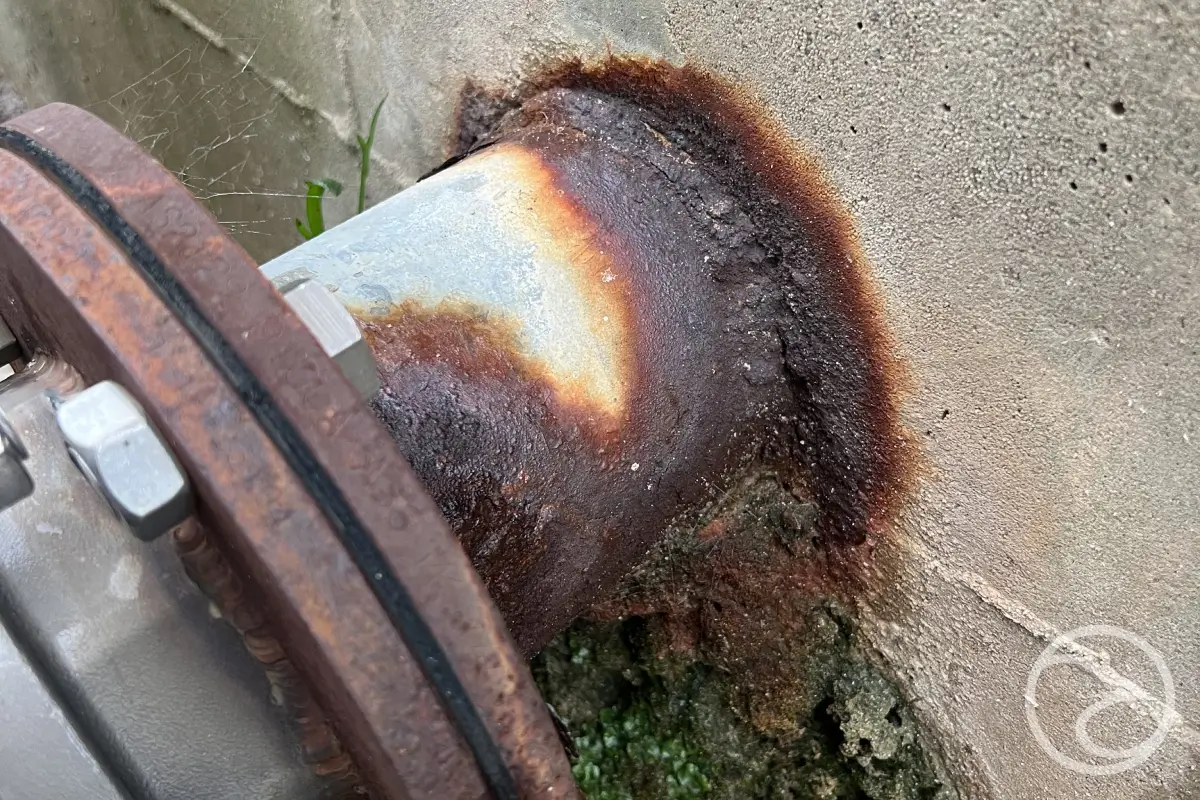
Rust develops when protective coatings deteriorate and steel becomes exposed to moisture. Early rust is often cosmetic.
Advanced rust can lead to:
- Material loss
- Structural damage
- Leaks
- Expensive repairs
Removing corrosion early significantly reduces repair costs.
Joint Failures
Many tanks contain joints between panels, walls, floors, or pipe penetrations. Over time, movement and ageing may cause seals to fail.
Common symptoms include:
- Water seepage
- Damp surfaces
- Visible gaps
- Persistent leaks
Replacing seals is often less expensive than repairing widespread water damage.
Roof Damage
The roof protects stored water from contamination and environmental exposure.
Damage may occur due to:
- Storms
- Corrosion
- Falling debris
- Ageing materials
Roof repairs help maintain water quality while protecting internal components.
Damaged Internal Liners
Many tanks include internal liners that provide additional waterproofing.
Over time, liners may experience:
- Tears
- Punctures
- Seam separation
- Material ageing
In many cases, damaged liners can be repaired without replacing the entire system. However, extensive deterioration may require a complete relining solution.
Sediment Build-Up
Sediment naturally accumulates in many water storage systems.
Excessive sediment can:
- Reduce storage capacity
- Affect water quality
- Accelerate corrosion
- Increase maintenance requirements
Regular cleaning helps prevent long-term damage.
Pipe and Connection Failures
Pipes, valves, and fittings experience constant pressure and movement.
Over time they may develop:
- Seal failures
- Corrosion
- Loose fittings
- Leaks
- Mechanical wear
Repairing these components early often prevents larger structural issues.
What Causes Water Tank Damage?
Water tanks are exposed to a wide range of environmental and operational conditions throughout their service life. Even high-quality tanks require maintenance because no material is immune to wear.
Understanding the causes of damage helps owners prevent failures before they become costly repairs.
Ageing
All construction materials gradually deteriorate over time. Concrete may crack, steel can corrode, seals lose flexibility, and protective coatings eventually wear away.
Regular inspections become increasingly important as tanks age.
Corrosion
Corrosion is one of the leading causes of tank repairs. It develops when metal surfaces are exposed to moisture and oxygen over long periods.
Several factors can accelerate corrosion, including:
- High humidity
- Aggressive water chemistry
- Damaged coatings
- Poor drainage
- Lack of maintenance
Early corrosion treatment helps prevent structural deterioration.
UV Exposure
Outdoor tanks are continuously exposed to sunlight. Ultraviolet radiation can gradually weaken plastic components, protective coatings, seals, and some liner materials.
Selecting UV-resistant materials and performing routine inspections can minimise long-term damage.
Structural Movement
Ground settlement and structural movement place additional stress on water tanks.
Movement may lead to:
- Concrete cracking
- Joint separation
- Pipe misalignment
- Foundation damage
These issues should be addressed promptly to prevent further deterioration.
Poor Installation
Improper installation can reduce the lifespan of any water tank.
Common installation problems include:
- Inadequate foundations
- Poor joint sealing
- Incorrect welding
- Improper liner installation
- Uneven support
Professional installation significantly reduces the risk of future repairs.
Mechanical Damage
Accidental impacts can damage tanks and associated equipment.
Mechanical damage may result from:
- Vehicles
- Construction equipment
- Falling objects
- Maintenance activities
Even minor impact damage should be inspected to ensure structural integrity has not been compromised.
Chemical Exposure
Industrial tanks often store water containing chemicals or process contaminants. Some substances accelerate corrosion or reduce the lifespan of liners and protective coatings.
Selecting compatible materials is essential for long-term performance.
Inadequate Maintenance
Many major repairs begin as small issues that go unnoticed.
Without routine inspections, minor defects may develop into:
- Large leaks
- Structural failures
- Corrosion
- Water contamination
Preventive maintenance remains one of the most effective ways to reduce repair costs.
Signs Your Water Tank Needs Repair
Many tank problems develop gradually. Recognising the warning signs early allows repairs to be completed before extensive damage occurs.
Unexplained Water Loss
If water levels continue to drop without increased usage, the tank may have a leak. Water loss is often the first sign of hidden structural problems.
Visible Leaks
Water stains, damp areas, or active dripping should never be ignored. Even slow leaks can weaken surrounding structures over time.
Visible Leaks
Water stains, damp areas, or active dripping should never be ignored. Even slow leaks can weaken surrounding structures over time.
Cracks
Cracks in concrete walls or tank bases may indicate structural movement or material deterioration. Although some cracks are cosmetic, others require immediate repair.
Bulging or Deformed Walls
Changes in tank shape may indicate structural stress.
Bulging walls can result from:
- Internal pressure
- Foundation movement
- Material fatigue
- Structural weakening
Professional assessment is recommended whenever deformation becomes visible.
Discoloured Water
Changes in water colour may indicate:
- Corrosion
- Sediment build-up
- Internal coating deterioration
- Biological contamination
Water quality issues often signal hidden tank problems.
Damaged Protective Coatings
Peeling, blistering, or flaking coatings expose the underlying material to moisture. Repairing damaged coatings early helps prevent corrosion and extends tank life.
Damaged Internal Liners
If a tank contains an internal liner, look for signs such as:
- Wrinkles
- Tears
- Loose seams
- Punctures
- Water behind the liner
Liner damage should be repaired before it affects the tank structure.
Unusual Structural Movement
Doors, access hatches, pipe connections, or support structures that no longer align correctly may indicate movement within the tank. These issues require further investigation before additional damage occurs.
How Water Tank Problems are Identified
Effective repairs begin with an accurate assessment. Modern inspection techniques allow defects to be identified long before they become visible from the outside.
Visual Inspection
A visual inspection is usually the first step.
Inspectors examine:
- Walls
- Roofs
- Floors
- Joints
- Pipe connections
- Protective coatings
Many common defects can be identified during a detailed visual assessment.
Internal Tank Inspection
Internal inspections provide a closer look at the tank’s condition.
Inspectors evaluate:
- Corrosion
- Sediment accumulation
- Concrete deterioration
- Liner condition
- Structural damage
For confined spaces, inspections should always follow appropriate safety procedures.
Drone Inspections
Large tanks can be difficult to inspect using traditional methods. Drone technology allows inspectors to safely examine roofs, elevated structures, and difficult-to-access areas while reducing downtime.
Drone inspections are particularly useful for:
- Large industrial tanks
- Fire water tanks
- Elevated tanks
- Remote storage facilities
Leak Detection
Not every leak is immediately visible. Specialised leak detection methods help locate hidden water loss before significant structural damage develops.
These assessments may identify:
- Small liner punctures
- Joint failures
- Pipe leaks
- Foundation seepage
Structural Assessment
When structural damage is suspected, engineers assess the condition of the tank and its supporting structure.
The assessment considers:
- Material deterioration
- Structural movement
- Load capacity
- Repair feasibility
This information helps determine whether repair or replacement is the most appropriate solution.
Water Quality Testing
Changes in water quality can indicate internal deterioration.
Testing may identify contamination caused by:
- Corrosion
- Coating failure
- Sediment
- Biological growth
Water testing complements physical inspections and supports maintenance planning.
Water Tank Repair Methods
The most appropriate repair method depends on the tank material, the extent of damage, and the operating environment. Many tanks require only localised repairs, while others benefit from a complete rehabilitation program.
Leak Repairs
Stopping leaks is usually the highest priority. Repair methods vary depending on the source of the leak.
Common techniques include:
- Joint resealing
- Crack sealing
- Patch repairs
- Pipe connection repairs
- Liner repairs
Addressing leaks early helps prevent secondary structural damage.
Crack Repairs
Concrete cracks are repaired using methods suited to their size and cause.
Common solutions include:
- Epoxy injection
- Flexible sealants
- Surface repair mortars
- Structural concrete restoration
Selecting the correct repair method depends on whether the crack is structural or non-structural.
Corrosion Repairs
Corrosion repair typically involves several stages.
These include:
- Rust removal
- Surface preparation
- Steel repairs
- Protective primers
- New protective coatings
Proper surface preparation is essential for achieving long-lasting results.
Steel Repairs
Damaged steel components may require:
- Welding
- Plate replacement
- Reinforcement
- Fastener replacement
Repairs should restore both structural strength and corrosion protection.
Concrete Restoration
Concrete tanks may require repairs beyond simple crack sealing.
Restoration projects can include:
- Rebuilding damaged sections
- Replacing deteriorated concrete
- Waterproofing
- Protective coatings
The goal is to restore durability while preventing future water ingress.
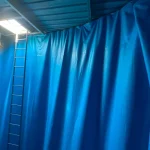
Tank Relining
When the existing structure remains sound but waterproofing has deteriorated, installing a new internal liner can be an effective solution.
Modern lining systems restore watertight performance while extending the service life of the existing tank. PVC, EPDM, and other specialised liner materials are selected based on the application, stored liquid, and environmental conditions.
Choosing the Right Water Tank Repair Method
No single repair method is suitable for every water tank. Selecting the right solution requires an assessment of the tank’s condition, operating environment, and long-term performance requirements.
Tank Material
Different materials require different repair techniques.
For example:
- Concrete tanks often require crack injection or concrete restoration.
- Steel tanks may need welding, corrosion treatment, or recoating.
- Poly tanks are commonly repaired using plastic welding techniques.
- Tanks with damaged liners may benefit from relining rather than structural repairs.
Matching the repair method to the tank material improves long-term reliability.
Extent of Damage
Minor defects usually require localised repairs. More extensive deterioration may involve multiple repair techniques or a complete rehabilitation program.
Factors that influence repair planning include:
- Number of damaged areas
- Structural integrity
- Leak severity
- Corrosion levels
- Remaining service life
Water Quality Requirements
The intended use of the stored water also affects repair decisions. Tanks used for drinking water, fire protection, or industrial processes may require specialised repair materials that meet relevant standards.
Material compatibility should always be confirmed before repairs begin.
Future Maintenance
Some repair solutions reduce future maintenance requirements more effectively than others. Investing in durable coatings, corrosion protection, or a new internal liner may reduce lifecycle costs and extend inspection intervals.
Future Maintenance
Some repair solutions reduce future maintenance requirements more effectively than others. Investing in durable coatings, corrosion protection, or a new internal liner may reduce lifecycle costs and extend inspection intervals.
A professional assessment can determine whether water tank repair is the most practical option or if replacement should be considered instead.
Water Tank Repair vs Replacement
Not every damaged tank needs to be replaced. In many cases, professional repairs can restore performance while extending the life of the existing structure.
The table below highlights the general differences.
| Repair | Replacement |
|---|---|
| Suitable for localised damage | Required for severe structural failure |
| Lower initial cost | Higher capital investment |
| Shorter downtime | Longer project duration |
| Preserves the existing structure | Provides a completely new asset |
| Often extends service life | Offers the longest possible lifespan |
Replacement is generally considered when:
- Structural damage is extensive.
- Corrosion has significantly weakened the tank.
- Repair costs approach replacement costs.
- The tank no longer meets operational requirements.
- Major upgrades are required.
A professional condition assessment helps determine the most cost-effective option.
If repairs become more frequent or damage affects multiple components, read our guide when should a water tank be refurbished? to understand when refurbishment is a better option than ongoing repairs.
How Much Does Water Tank Repair Cost?
Water tank repair costs vary considerably because every project is different. Several factors influence the total cost.
Tank Size
Larger tanks generally require more labour, materials, and inspection time.
Tank Material
Repair methods differ for concrete, steel, galvanised, poly, and panel tanks. Material type has a direct impact on labour and repair complexity.
Type of Damage
Repairing a small leak is usually far less expensive than restoring extensive corrosion or structural cracking. Damage severity is often the largest cost factor.
Accessibility
Repairs become more complex when tanks are:
- Elevated
- Underground
- Located in confined spaces
- Operating during repairs
Access requirements influence labour costs and project duration.
Repair Method
Costs also depend on the selected repair solution.
Examples include:
- Leak sealing
- Welding
- Concrete restoration
- Protective coatings
- Tank relining
- Roof replacement
Some projects combine several repair methods to achieve the best long-term result.
Inspection Requirements
Many repair projects begin with a detailed inspection. Professional assessments help identify the full extent of the damage and reduce the risk of unexpected repair costs later.
Preventing Future Water Tank Damage
Preventive maintenance is one of the most effective ways to maximise the lifespan of a water tank. Routine inspections allow small defects to be corrected before they develop into major structural problems.
A proactive maintenance program should include:
- Regular visual inspections
- Scheduled internal inspections
- Cleaning to remove sediment
- Monitoring water quality
- Inspecting coatings and liners
- Checking joints and pipe connections
- Repairing minor defects promptly
Maintaining accurate inspection and repair records also helps track the condition of the asset over time.
How Often Should Water Tanks be Inspected?
Inspection frequency depends on the tank type, operating conditions, and regulatory requirements. Many organisations perform annual inspections as part of their maintenance program.
More frequent inspections may be appropriate for:
- Fire water tanks
- Industrial process tanks
- Potable water storage
- High-use commercial systems
- Older storage infrastructure
Regular inspections reduce the likelihood of unexpected failures and support long-term asset management.
Conclusion
Water tank repair is an essential part of maintaining safe, reliable, and efficient water storage systems. Whether the tank is constructed from concrete, steel, galvanised panels, or polyethylene, early identification of defects helps prevent costly failures and extends the asset’s service life.
From repairing leaks and cracks to treating corrosion, replacing liners, and restoring protective coatings, modern repair methods can address a wide range of problems without the need for complete replacement. Choosing the right repair approach depends on the tank material, the extent of the damage, and the intended application.
By combining regular inspections with proactive maintenance and timely repairs, owners can improve water quality, minimise operational disruptions, and maximise the long-term value of their water storage infrastructure.