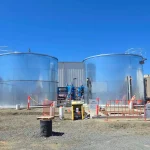
Water tanks in coastal areas face extreme conditions. These environments accelerate wear and reduce system lifespan. Salt, humidity, and wind create constant exposure. This makes maintenance more critical than in inland locations.
Understanding these challenges helps prevent damage. It also improves long-term tank performance.
1. High Salt Concentration and Accelerated Corrosion
Salt-laden air is the most notable threat in coastal environments. Salt particles carried by wind settle on tank surfaces and accelerate corrosion processes. Steel tanks are particularly vulnerable, but even coated systems or alternative materials can be affected by:
-
chemical breakdown of protective coatings
-
pitting corrosion
-
weakened fasteners, bolts, and external hardware
-
increased internal corrosion if salt infiltrates through damaged areas
Once corrosion begins, it can spread rapidly, compromising both structural strength and water quality.
2. Strong Coastal Winds and Structural Stress
Coastal zones often experience extreme wind conditions, especially during storm seasons. Large, tall, or elevated tanks face increased lateral pressure and ongoing vibration. Over time, this exposure may result in:
-
fatigue of structural supports
-
deformation of tank walls
-
roof lifting or distortion
-
strain on anchor systems
Wind-driven debris can also strike tank exteriors, causing surface damage or weakening protective layers.
3. Temperature and Humidity Fluctuations
High humidity combined with temperature swings creates condensation both inside and outside the tank. Moisture accumulation contributes to:
-
corrosion under insulation
-
internal moisture films that accelerate microbial growth
-
challenges maintaining coating adhesion
-
stress on gaskets and seals
Coastal humidity also increases the likelihood of blistering or bubbling in coatings, reducing their protective effectiveness.
4. UV Intensity and Environmental Exposure
Many coastal areas receive strong sunlight, with UV exposure contributing to faster material degradation. UV-related impacts include:
-
fading or weakening of polymer tank materials
-
cracking of external sealants
-
reduced elasticity in liners and gaskets
-
surface embrittlement over time
Even tanks designed for harsh conditions require UV-resistant coatings and periodic inspections when placed near the coast.

5. Accelerated Corrosion in Coastal Tanks
Corrosion is the most significant issue. Salt and oxygen create ideal conditions for oxidation. Metal tanks are especially vulnerable. Even protective coatings can break down over time.
Corrosion weakens:
- tank walls
- joints and fasteners
- structural components
Without control, it leads to leaks and failure.
6. Increased Risk of Biofouling and Microbial Growth
Warm, humid coastal environments promote biological growth in and around tanks. Common concerns include:
-
algae formation
-
biofilm development inside tanks
-
microbial-induced corrosion
-
contamination of stored water
Biofouling can reduce system efficiency, affect water quality, and create additional maintenance challenges. You can learn more about this in water tank contamination.
7. Storm Surges, Flooding, and Water Ingress
Tanks located near coastlines may face storm surges or high tidal flooding. These events increase the risk of:
-
water ingress around access points
-
damage to electrical components
-
contamination from external water sources
-
submerged foundations that weaken structural support
Tanks in low-lying areas must include engineered drainage systems and elevation strategies to reduce exposure.
8. Abrasion from Sand and Coastal Particles
Wind-driven sand can cause abrasive wear on tank surfaces, particularly:
-
polymer tanks
-
coatings and paints
-
external fittings and valves
-
thin-gauge steel components
Over time, abrasion removes protective layers and accelerates material degradation.
Key Coastal Water Tank Maintenance Practices
Increase Inspection Frequency
Inspections should be more frequent in coastal areas. Early detection prevents major damage.
Check for:
- corrosion
- coating wear
- loose components
Maintain Protective Coatings
Coatings are the first line of defense. They must be inspected and repaired regularly. Damaged coatings expose metal surfaces. This accelerates corrosion.
Clean Tanks More Often
Salt deposits and biological buildup must be removed. Regular cleaning reduces contamination risks. It also improves coating performance.
Monitor Structural Integrity
Coastal conditions affect structural components. Monitoring helps detect stress or deformation early. This prevents sudden failures.
Follow a Consistent Maintenance Plan
Consistency is essential in harsh environments. Maintenance should be proactive, not reactive.
A structured tank maintenance plan ensures:
- longer lifespan
- reduced repair costs
- improved reliability
Long-Term Performance in Coastal Conditions
Coastal tanks can perform reliably with proper care. The key is adapting maintenance to environmental conditions. Ignoring coastal factors leads to rapid deterioration. Proactive strategies help prevent this.
Following water tank maintenance best practices ensures long-term system stability.
Final Thoughts
Coastal environments place significant stress on water tanks. Salt, humidity, and wind accelerate deterioration. However, proper maintenance can reduce these effects. It protects both structure and performance.
Understanding these challenges allows better planning. It also extends the life of your tank system.