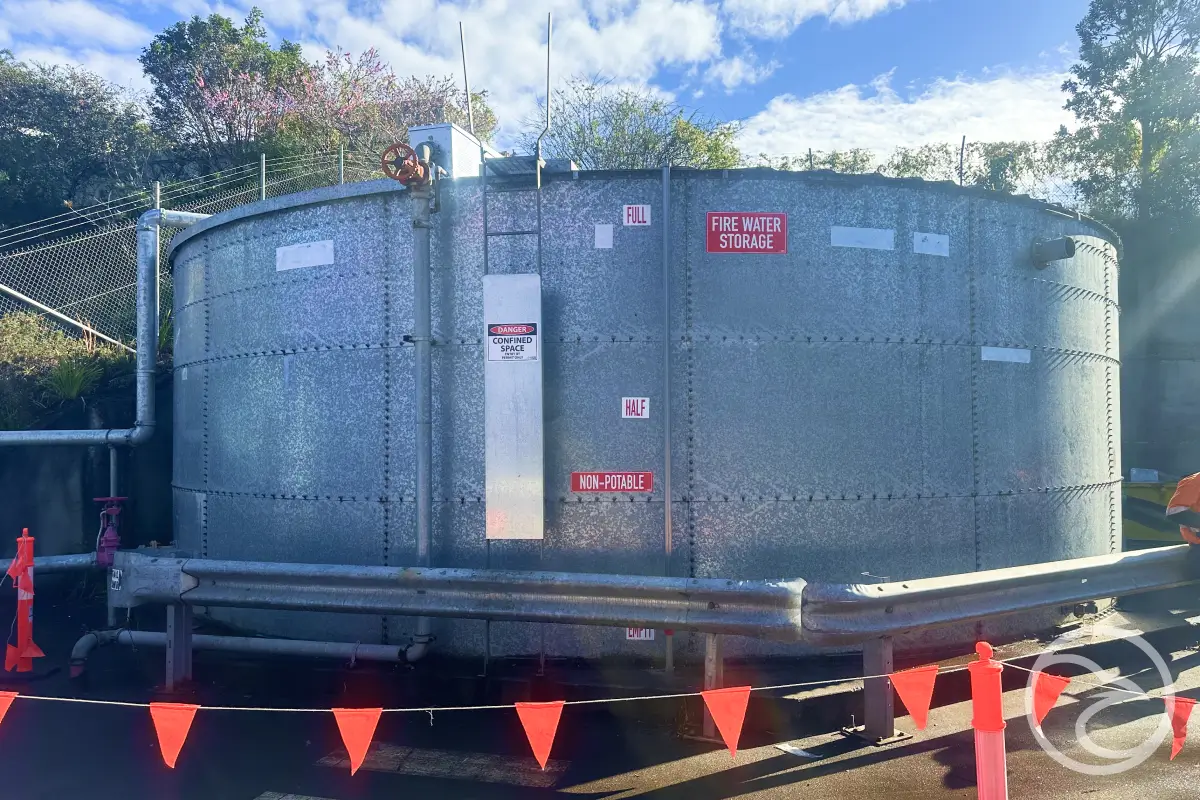
Fire tanks are a critical part of many fire protection systems across Sydney. They provide the water supply needed to support hydrants, sprinklers, and other firefighting equipment during an emergency.
However, installing a fire tank is only the beginning. To remain effective, fire tanks require regular inspections and ongoing maintenance.
Understanding inspection requirements can help property owners, facility managers, and building operators maintain reliable fire protection systems while supporting compliance obligations.
Why Fire Tank Inspections are Required
A fire tank must be capable of supplying water when it is needed most. Over time, tanks can develop defects that may affect performance. Without inspections, these issues may remain hidden until a system failure occurs.
Regular inspections help identify:
- Structural defects
- Corrosion
- Water quality concerns
- Sediment accumulation
- Damaged components
- Maintenance requirements
Routine AS1851 fire tank inspections help ensure the system remains operational and reliable.
The Importance of Ongoing Maintenance
Inspections and maintenance work together to support asset performance. An inspection identifies potential issues, while maintenance addresses them. Without ongoing maintenance, small defects can become larger and more expensive problems.
Benefits of regular maintenance include:
- Improved asset lifespan
- Reduced repair costs
- Better system reliability
- Enhanced fire safety
- Improved operational readiness
A proactive approach often delivers the best long-term outcomes.
What Inspectors Typically Assess
The scope of an inspection may vary depending on the tank type, age, and site requirements.
Inspectors commonly assess:
- Tank structure
- Roof condition
- Internal surfaces
- Water levels
- Pipework connections
- Valves and fittings
- Access covers
- Overflow systems
The goal is to determine whether the tank remains fit for purpose.
Structural Integrity Assessments
Structural condition is one of the most important aspects of a fire tank inspection. Inspectors look for signs of deterioration that could affect performance or safety.
Common inspection findings include:
- Corrosion
- Cracks
- Joint separation
- Roof damage
- Panel movement
- Foundation concerns
Identifying these issues early supports more effective maintenance planning. Many of these problems are discussed in common problems found during fire tank inspections.
Water Storage Capacity Verification
A fire tank must maintain adequate water storage capacity.
Inspectors may verify:
- Water levels
- Available storage volume
- Tank dimensions
- Water retention capability
Any issue that affects storage capacity may reduce the effectiveness of the fire protection system. This makes capacity verification an important part of routine inspections.
Assessing Water Quality
Water quality plays a key role in overall system performance. Over time, sediment and contaminants can accumulate inside the tank.
Inspectors often assess:
- Water clarity
- Sediment levels
- Signs of contamination
- Biological growth
- Corrosion by-products
Poor water quality may contribute to equipment wear and maintenance issues. You can learn more in fire tank sediment and water quality.
Reviewing Tank Components
A fire tank consists of more than just a storage vessel. Several components help ensure reliable operation.
Inspectors may review:
- Inlet systems
- Outlet connections
- Isolation valves
- Overflow arrangements
- Access hatches
- Ventilation systems
Defects in these areas can affect overall system performance.
Inspection Frequency Considerations
Inspection schedules may vary depending on several factors.
These can include:
- Tank type
- Asset age
- Site conditions
- Maintenance history
- Operational requirements
A structured inspection program helps ensure potential issues are identified before they become major concerns. Regular inspections also support more effective asset management.
Documentation and Record Keeping
Inspection reports are an important part of managing fire protection assets.
Good documentation helps organisations:
- Track asset condition
- Record maintenance activities
- Monitor recurring issues
- Support planning decisions
- Demonstrate responsible management
Accurate records provide valuable information for future inspections and maintenance programs.
Compliance Considerations
Fire tank inspections form part of a broader compliance framework. Property owners are responsible for ensuring that fire protection assets remain functional and appropriately maintained.
Compliance activities often include:
- Regular inspections
- Scheduled maintenance
- Defect management
- Record keeping
- Condition monitoring
Understanding these responsibilities can help reduce risk and improve system reliability. For more information, see understanding fire tank compliance requirements in Sydney.
How Technology is Improving Inspections
Modern technologies are changing the way inspections are performed.
Many inspectors now use:
- Digital reporting systems
- Internal camera equipment
- Remote monitoring tools
- High-resolution imaging
- Drone-assisted inspections
These technologies provide more detailed information while improving efficiency. They can also help inspectors access difficult areas safely.
Learn more in how drone technology is changing fire tank inspections.
Developing an Effective Inspection Program
A successful inspection program focuses on prevention rather than reaction.
Property owners should consider:
- Regular inspection schedules
- Timely maintenance activities
- Accurate record keeping
- Ongoing condition monitoring
- Early defect resolution
This approach helps reduce unexpected failures and extend asset lifespan.
Benefits of Routine Inspections
Regular inspections offer several long-term benefits.
These include:
- Improved fire safety
- Better asset reliability
- Reduced maintenance costs
- Early problem detection
- Enhanced operational readiness
- Longer asset life
These advantages make inspections an important part of responsible facility management.
Conclusion
Fire tank inspections are essential for maintaining reliable fire protection systems in Sydney. By assessing structural condition, water quality, storage capacity, and critical components, inspections help ensure tanks remain ready to perform during emergencies.
Combined with preventive maintenance and effective documentation, routine fire tank inspections support safer facilities, improved asset performance, and long-term operational reliability.