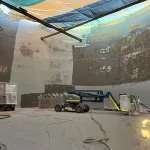
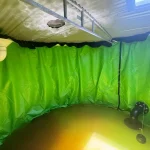
Fire tanks are designed to provide a reliable water supply during emergencies. However, like any infrastructure asset, they can develop problems over time.
Many issues are not visible from the outside. Without regular inspections, small defects may go unnoticed until they affect system performance.
Routine fire water tank inspections help identify these problems early and support ongoing fire protection system reliability. Understanding the most common issues found during inspections can help property owners make informed maintenance decisions.
Why Fire Tank Problems Develop
Fire tanks operate in challenging conditions. They are exposed to changing temperatures, moisture, weather conditions, and constant water storage. Over time, these factors can affect the tank structure and internal components.
Several factors contribute to deterioration:
- Age of the tank
- Environmental exposure
- Lack of maintenance
- Water quality issues
- Material degradation
- Structural movement
Regular inspections help identify these risks before they become serious concerns.
Corrosion and Rust
Corrosion is one of the most common issues found during fire tank inspections. Metal components are particularly vulnerable to long-term exposure to water and moisture. Corrosion can affect structural integrity and reduce the lifespan of the tank.
Inspectors often look for:
- Surface rust
- Pitting corrosion
- Coating failure
- Corroded fittings
- Corroded support structures
If left untreated, corrosion can eventually cause leaks or structural damage. This is one reason why fire tank inspections are important remains an important topic for facility owners.
Sediment Build-Up
Sediment accumulation is another common problem. Over time, dirt, debris, minerals, and organic material can settle at the bottom of the tank.
Excessive sediment may:
- Reduce effective storage capacity
- Affect water quality
- Increase maintenance requirements
- Contribute to corrosion
- Impact pump performance
Inspectors assess sediment levels and determine whether cleaning may be required. Learn more in fire tank sediment and water quality.
Water Contamination
Water quality directly affects the performance of fire protection systems. Contamination can occur when debris, insects, organic matter, or other pollutants enter the tank.
Common causes include:
- Damaged access covers
- Faulty vents
- Poor sealing
- Inadequate maintenance
Signs of contamination may include:
- Discoloured water
- Unpleasant odours
- Biological growth
- Floating debris
Maintaining water quality helps protect both the tank and connected equipment.
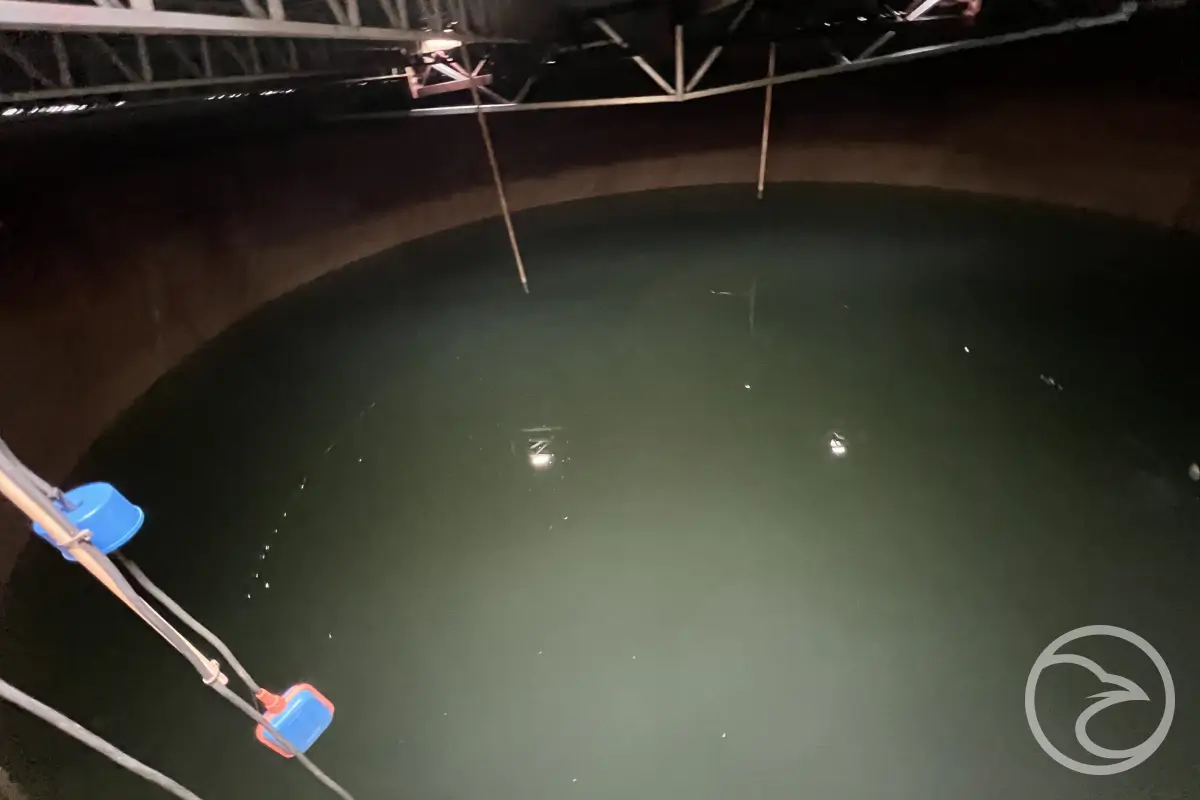
Tank Leaks
Leaks can develop gradually and often remain undetected for long periods. Even small leaks can lead to water loss and reduced system reliability.
Inspectors carefully assess:
- Tank walls
- Joints and seams
- Pipe connections
- Roof penetrations
- Outlet fittings
Leak detection is a critical part of any inspection program. Prompt repairs help prevent additional damage and unnecessary water loss. Read more about fire water tank leaks.
Structural Damage
Structural issues can affect both older and newer tanks. Damage may result from environmental conditions, material fatigue, poor installation, or ongoing deterioration.
Inspectors commonly identify:
- Cracks
- Distorted panels
- Joint separation
- Roof damage
- Foundation movement
Structural defects can compromise the tank’s ability to safely store water. Addressing these issues early often reduces repair costs.
Damaged Internal Linings
Many fire tanks use protective coatings or liners to prevent corrosion and extend service life. Over time, these protective systems can deteriorate.
Common problems include:
- Peeling coatings
- Blistering
- Cracking
- Delamination
- Surface wear
When coatings fail, the underlying structure becomes more vulnerable to corrosion and water damage. Regular inspections help determine whether repairs or recoating may be necessary. Regular inspections help determine whether repairs or fire water tank lining replacement may be necessary.
Faulty Valves and Fittings
A fire tank relies on multiple mechanical components to function correctly. Valves, outlets, overflow systems, and pipe connections all play important roles.
Inspectors often find:
- Sticking valves
- Corroded fittings
- Damaged connections
- Restricted flow paths
- Missing components
These issues may affect water delivery during an emergency. Routine maintenance helps keep these systems operating as intended.
Roof and Access Hatch Problems
The roof protects stored water from contamination and environmental exposure. Access hatches also play an important role in maintaining water quality and security.
Common inspection findings include:
- Damaged roof sheets
- Missing fasteners
- Poor sealing
- Corrosion around openings
- Damaged access covers
These problems can allow contaminants to enter the tank and accelerate deterioration.
Evidence of Biological Growth
Biological growth can occur when environmental conditions allow microorganisms to develop inside the tank.
Inspectors may identify:
- Algae
- Bacteria
- Organic deposits
- Surface growth
While fire tanks are not intended for drinking water, excessive biological growth may contribute to contamination and maintenance issues. Preventive maintenance helps minimise these risks.
Inadequate Maintenance Records
Inspection findings are not always limited to physical defects. Many facilities struggle with incomplete maintenance documentation.
Missing records can make it difficult to:
- Track inspection history
- Identify recurring issues
- Demonstrate compliance
- Plan future maintenance
Proper documentation supports more effective asset management. This topic is explored further in understanding fire tank compliance requirements in Sydney.
How Modern Inspection Technology Helps
Technology is improving the way inspectors identify tank defects. Advanced inspection methods can provide more detailed information while reducing risks associated with confined space entry.
Modern tools may include:
- Internal camera systems
- Remote monitoring equipment
- Digital reporting platforms
- High-resolution imaging
- Drone-assisted inspections
These technologies help inspectors identify problems more efficiently.
Preventing Problems Before they Become Serious
Many common fire tank issues can be prevented through routine inspections and maintenance.
A proactive approach helps facility owners:
- Reduce repair costs
- Extend tank lifespan
- Improve system reliability
- Maintain water quality
- Support compliance requirements
Identifying defects early is often the most effective way to protect a fire protection asset.
Conclusion
Fire tank inspections regularly uncover issues that may not be visible during day-to-day operations. Common findings include corrosion, sediment accumulation, water contamination, leaks, structural damage, and equipment defects.
While these problems vary in severity, each can affect the performance of a fire protection system.
Regular inspections help identify risks early, support maintenance planning, and ensure fire tanks remain ready to perform when needed.