Fire water tanks are critical for emergency systems. They store water that must be available at any moment. Even small leaks can reduce system reliability. In fire protection, this creates serious risks.
Understanding the causes of leaks helps prevent failures. It also supports long-term system performance.
Why Leaks in Fire Water Tanks are a Serious Problem
A leaking tank is not just a maintenance issue. It directly affects fire safety readiness. Water loss reduces available supply during emergencies. This may delay response or limit suppression capacity.
Leaks can also weaken tank structure over time. This increases the risk of sudden failure.
Regular tank maintenance helps detect these issues early. It ensures the system performs when it is needed most.
Common Causes of Fire Water Tank Leaks
Leaks usually develop due to a combination of factors.
Most are preventable with proper care:
Corrosion and Material Wear
Metal tanks are vulnerable to corrosion. Exposure to moisture and oxygen accelerates this process.
Over time, corrosion creates weak points. These areas may eventually develop leaks.
Cracks and Structural Damage
Temperature changes can stress tank materials. Expansion and contraction may cause cracks.
Physical damage can also occur during installation or use. Even small cracks can lead to water loss.
Faulty Joints and Connections
Tank panels, pipes, and fittings rely on sealed connections. If seals fail, water can escape.
Loose bolts or degraded gaskets are common issues. These often go unnoticed without inspection.
Excessive Water Pressure
High pressure places stress on tank walls and joints. Over time, this can lead to failure.
Pressure fluctuations are especially damaging. They increase wear on critical components.
Lack of Regular Maintenance
Neglected tanks are more likely to develop leaks. Small issues grow when they are not addressed.
Routine fire tank inspections help identify early warning signs. This reduces repair costs and system downtime.
Warning Signs of a Leaking Fire Water Tank
Leaks are not always obvious at first. Recognizing early signs can prevent larger problems.
Look for:
- unexplained drops in water levels
- damp areas around the tank base
- visible rust or corrosion
- cracks or deformation in tank walls
- unusual pressure changes
Any of these signs require immediate attention.
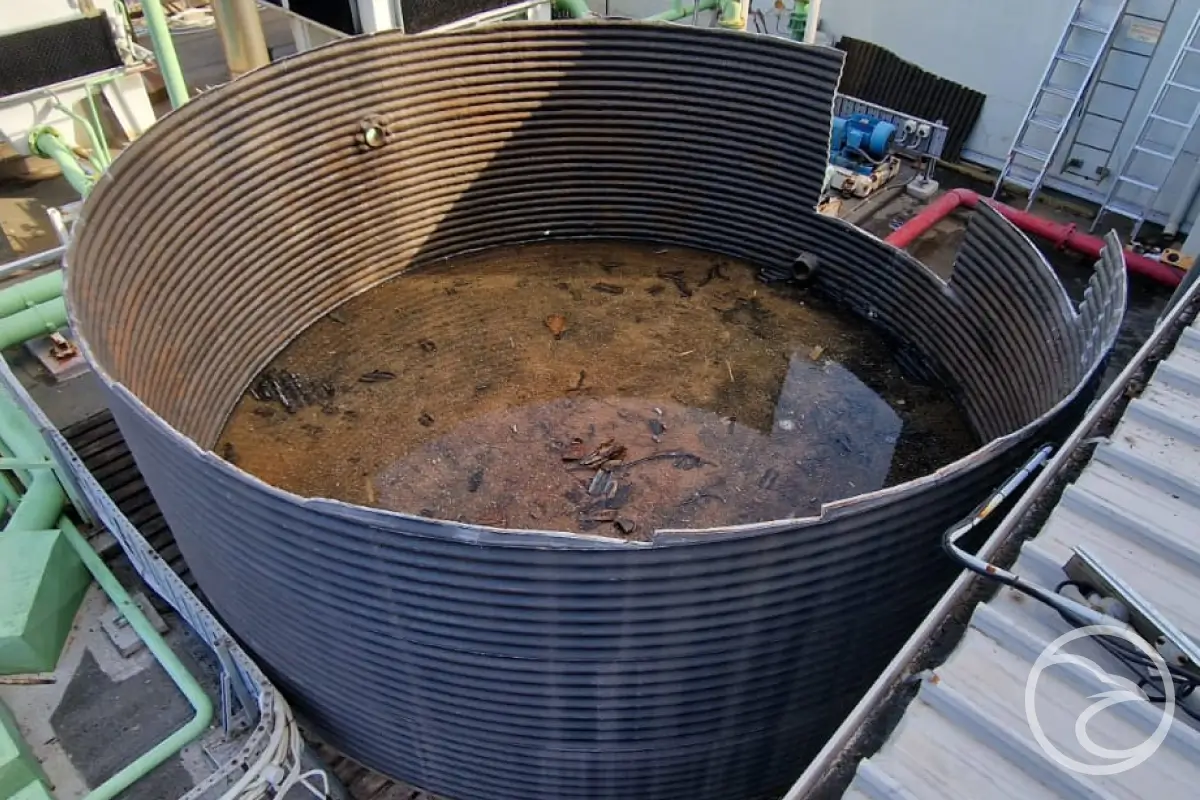
How to Fix Fire Water Tank Leaks
The correct solution depends on the cause of the leak. Quick action is important to prevent further damage.
Seal Minor Leaks
Small leaks around joints can often be sealed. Specialized sealants or gaskets are commonly used.
This is usually a short-term solution. Further inspection may still be needed.
Repair Structural Damage
Cracks or damaged panels require proper repair. This may involve welding or replacing sections.
Repairs should always follow safety standards. Improper fixes can lead to future failures.
Replace Worn Components
Old fittings and seals should be replaced. This improves system reliability.
Upgrading materials can also reduce future risks. Modern components often perform better under stress.
Adjust Pressure Levels
If pressure is too high, adjustments are necessary. Install pressure control systems if needed.
Maintaining stable pressure reduces long-term damage.
Preventing Future Leaks
Prevention is more effective than repair. A proactive approach reduces both risks and costs.
Schedule Regular Inspections
Routine inspections are essential. They help identify issues before they worsen.
Inspect both internal and external tank surfaces. Pay attention to joints, seals, and fittings.
Maintain Protective Coatings
Coatings protect tanks from corrosion. Damaged coatings should be repaired quickly.
This extends the life of the tank structure.
Monitor Water Levels and Usage
Tracking water levels helps detect leaks early. Unexpected changes may indicate a problem.
Monitoring systems can improve accuracy. They support better decision-making.
Follow a Consistent Maintenance Plan
Consistency is key to long-term performance. Maintenance should not be reactive.
A structured tank maintenance services plan improves reliability. It ensures the system is always ready.
The Role of Maintenance in Fire System Reliability
Fire water tanks are part of a larger system. Every component must function correctly. Leaks can compromise the entire setup. This includes pumps, pipes, and distribution systems.
Regular maintenance supports system integrity. It reduces the risk of failure during emergencies.
Final Thoughts
Fire water tank leaks are a serious concern. They affect both safety and system performance. Most leaks develop slowly over time. Early detection is the key to prevention. By understanding common causes and warning signs, you can take action before problems escalate.
A proactive approach ensures reliability and safety.