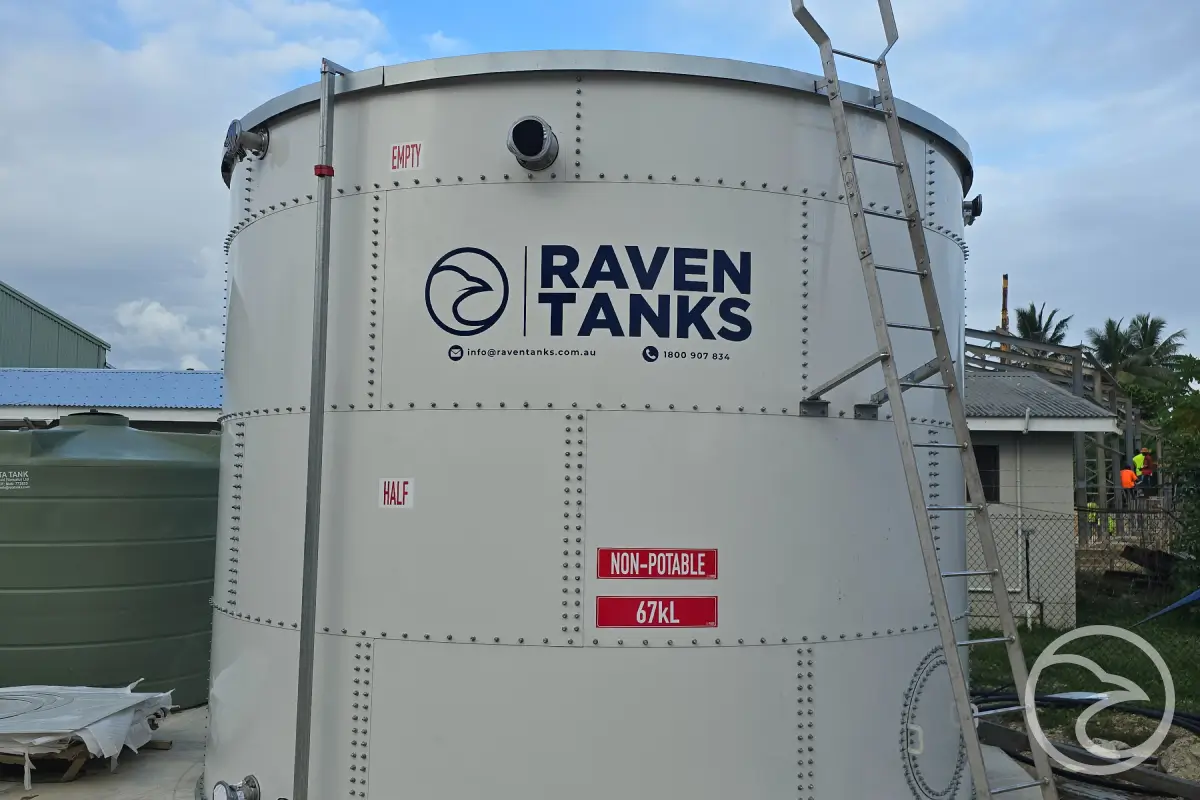
Fire tanks are a critical part of many fire protection systems. They provide the water needed to support hydrants, sprinklers, and firefighting operations during an emergency.
A fire tank may remain unused for years. However, it must function immediately when a fire occurs. This is why regular inspections are essential. Even minor issues can affect system performance and reduce the reliability of the stored water supply.
Routine AS1851 fire tank inspections help identify hidden problems, support compliance requirements, and ensure the tank remains ready when needed.
How Fire Tanks Support Fire Protection Systems
Fire tanks act as dedicated water storage for fire protection purposes. They are commonly used in commercial buildings, industrial facilities, warehouses, schools, and residential developments.
When a fire occurs, the tank supplies water to firefighting equipment. The system depends on having sufficient water volume and pressure available at all times. Without regular maintenance and inspections, property owners may not know whether the tank can perform as intended.
A well-maintained fire tank helps:
- Support emergency response efforts
- Provide a reliable water source
- Protect people and property
- Reduce fire-related damage
- Improve overall fire safety
What Happens when Fire Tanks are not Inspected
Many fire tank issues develop slowly over time. Because most problems occur inside the tank, they may go unnoticed for years.
Without inspections, common issues can include:
- Internal corrosion
- Water contamination
- Sediment accumulation
- Structural deterioration
- Damaged fittings and valves
- Leaking components
These problems may reduce the effectiveness of the fire protection system. In severe cases, a tank may not deliver the required water volume during an emergency.
Many of these issues are discussed in common problems found during fire tank inspections.
Inspections Help Detect Problems Early
One of the biggest benefits of regular inspections is early detection. Minor defects are often easier and less expensive to repair than major structural failures. Inspections allow facility managers to identify concerns before they become significant risks.
Inspectors may discover:
- Corrosion on internal surfaces
- Roof damage
- Joint failures
- Cracked tank panels
- Faulty access covers
- Signs of water leakage
Early intervention helps extend the lifespan of the tank while reducing maintenance costs.
Maintaining Reliable Water Supply
A fire tank must provide water immediately when required. Any reduction in capacity can affect firefighting operations.
Several factors can compromise water availability, including:
- Sediment build-up
- Obstructed outlets
- Damaged liners
- Internal corrosion
- Structural deformation
Regular inspections verify that the tank can store and deliver the required amount of water. Inspectors also assess whether water levels are being maintained correctly.
This helps ensure the system remains operational throughout the year.

Water Quality Matters More than Many People Realise
Water quality is an important aspect of fire tank performance. Over time, sediment, dirt, organic material, and debris can collect inside the tank. These contaminants may affect pumps, valves, and other system components.
Poor water quality can contribute to:
- Blocked pipework
- Increased maintenance requirements
- Equipment wear
- Reduced system efficiency
During inspections, specialists evaluate water conditions and identify signs of contamination. For a closer look at this topic, see fire tank sediment and water quality.
Supporting Compliance Requirements
Many Australian facilities must maintain fire protection systems according to relevant standards and maintenance requirements. Regular inspections help demonstrate that fire protection assets are being properly managed.
Inspection records may support:
- Compliance reporting
- Maintenance planning
- Asset management programs
- Safety audits
Failure to maintain a fire tank can expose building owners to unnecessary risks. Understanding regulatory obligations is an important part of responsible facility management.
You can learn more in understanding fire tank compliance requirements in Sydney.
Reducing Long-Term Maintenance Costs
Preventive maintenance is generally more cost-effective than emergency repairs. When inspections are performed regularly, issues can be identified before they become expensive projects.
The long-term benefits include:
- Lower repair costs
- Fewer unexpected failures
- Improved asset lifespan
- Better maintenance scheduling
- Reduced operational disruption
Property owners often save money by addressing small defects before they develop into major structural concerns.
Improving Safety for Occupants and Assets
A reliable fire protection system helps protect people, buildings, equipment, and business operations. When a fire occurs, every component of the system must work correctly.
If the fire tank cannot supply water as expected, the effectiveness of hydrants and sprinklers may be reduced. Routine inspections provide confidence that critical infrastructure remains operational.
This contributes to a safer environment for:
- Employees
- Residents
- Visitors
- Contractors
- Emergency responders
The Growing Role of Inspection Technology
Inspection methods continue to evolve. Modern technologies allow inspectors to collect detailed information while improving safety and efficiency.
Today, inspections may involve:
- High-resolution imaging
- Internal camera systems
- Remote monitoring equipment
- Advanced reporting tools
- Drone-assisted assessments
These technologies help identify issues that may be difficult to detect through traditional methods. Learn more about these innovations in how drone technology is changing fire tank inspections.
Why Regular Inspections Should Never be Delayed
Delaying inspections can allow small issues to become larger problems. Corrosion, sediment accumulation, and structural defects rarely improve on their own. In many cases, deterioration continues until significant repairs become necessary.
A proactive inspection program helps facility owners stay ahead of maintenance requirements while reducing risk. Regular inspections also provide valuable information for budgeting and long-term asset planning.
Conclusion
Fire tanks are one of the most important components of a fire protection system. Their ability to store and deliver water can directly affect emergency response outcomes.
Regular inspections help identify defects, maintain water quality, support compliance, and ensure reliable system performance.
By investing in routine inspections, property owners can improve safety, protect valuable assets, and reduce long-term maintenance costs. Proper inspection and maintenance help ensure that fire protection systems remain ready when they are needed most.