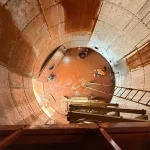
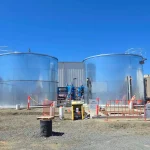
Storage tanks naturally collect sediment over time. Even well-maintained systems develop internal buildup during normal operation.
Sediment accumulation affects water quality, system efficiency, and tank lifespan. Without regular maintenance, deposits become harder to remove.
Understanding how sediment forms helps operators prevent expensive problems.
What Causes Tank Sediment Buildup?
Sediment enters tanks from multiple sources. Dust, sand, minerals, and organic particles often enter through incoming water supplies.
Rainwater systems also collect debris from surrounding environments. Small contaminants gradually settle at the bottom of the tank.
Mineral-heavy water creates additional buildup over time. Calcium and magnesium deposits often harden along internal surfaces.
Corrosion inside aging tanks can also produce sediment particles. Rust fragments may spread through the stored water system.
Facilities using untreated water sources usually experience faster accumulation rates.
Why Sediment Settles at the Bottom
Most particles sink because of gravity. Heavy materials naturally move downward when water remains still.
Large storage tanks often experience low water movement near the base. This creates ideal conditions for sediment accumulation.
Over time, thin layers become thick deposits. Older tanks may contain years of compacted material.
Sediment buildup becomes more difficult to remove as layers harden.
Common Types of Tank Sediment
Different systems collect different contaminants. The tank environment usually determines sediment composition.
Common materials include:
- sand and silt;
- rust particles;
- mineral scale;
- organic debris;
- algae residue;
- biofilm deposits.
Each type creates different maintenance challenges. Organic material may encourage bacterial growth inside the system. Mineral deposits often reduce operational efficiency.
Some facilities discover contamination after noticing water tank cleaning signs during inspections.

How Sediment Affects Water Quality
Sediment directly impacts stored water conditions. Particles can change water clarity, taste, and odour.
Bacteria often grow within accumulated debris. Organic sediment creates ideal conditions for microbial activity. Poor water quality may affect connected equipment and distribution systems.
Contaminated water can also create compliance concerns for regulated facilities. Regular inspections help identify developing problems before contamination spreads.
Reduced Tank Capacity
Heavy sediment buildup reduces usable storage volume. Large deposits occupy valuable internal space. This issue becomes significant in older tanks with minimal maintenance history. Reduced capacity may affect emergency water availability and operational planning.
Facilities relying on reserve storage should monitor sediment levels carefully. Fire protection systems especially require reliable storage capacity.
Operators managing emergency systems often review fire water tank cleaning frequency as part of preventive maintenance planning.
Equipment Damage and System Strain
Sediment affects more than water quality. It can also damage connected equipment. Particles may clog pumps, filters, and valves. Restricted flow increases strain on mechanical systems.
Corrosive sediment can accelerate internal wear. Over time, repair costs become more expensive.
Frequent maintenance problems often indicate hidden tank contamination. Early cleaning usually costs less than equipment replacement.
Environmental Factors that Increase Buildup
Some environments accelerate sediment accumulation. Outdoor tanks face constant exposure to environmental debris. Windblown dust commonly enters poorly sealed systems. Heavy rainfall may also introduce additional contaminants.
Warm climates often increase algae growth inside storage tanks. Sunlight exposure can worsen biological contamination.
Industrial areas may introduce airborne particles into nearby water systems. Facilities in harsh environments generally require more frequent inspections.
Why Sediment is Difficult to Detect
Sediment problems often develop slowly. Many tanks continue operating despite serious internal contamination. Operators may not notice issues until water quality declines noticeably.
Large tanks are especially difficult to inspect manually. Internal visibility remains limited during routine operation.
Draining tanks for inspections can also disrupt normal facility activities. Because of this, some operators explore alternatives related to water tank draining risks and operational downtime.
Preventing Excessive Sediment Accumulation
Preventive maintenance reduces long-term contamination risks. Routine inspections help identify buildup before conditions worsen. Tank cleaning schedules should match operating conditions and water quality requirements.
Proper sealing also limits environmental contamination. Secure covers help prevent debris entry. Filtration systems may reduce incoming particle levels. However, filtration alone cannot eliminate all sediment.
Professional maintenance remains important for long-term system performance. Some facilities now use non-entry tank cleaning methods to reduce downtime during maintenance.
When Professional Cleaning Becomes Necessary
Light sediment may remain manageable for short periods. Heavy accumulation requires professional cleaning equipment. Large deposits often resist standard flushing procedures. Specialised tools improve cleaning efficiency and safety.
Professional technicians can also identify corrosion or structural concerns. Ignoring sediment problems usually increases long-term maintenance costs. Routine cleaning supports safer storage conditions and longer equipment life.
Facilities managing critical infrastructure should maintain proactive inspection schedules. For additional information about maintenance solutions, explore tank cleaning services.