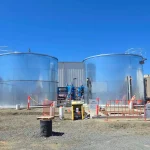
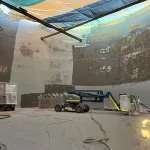
Storage tanks require regular cleaning to maintain safe operating conditions. Over time, sediment, bacteria, and debris accumulate inside the system. Different cleaning methods address contamination in different ways. Facilities often choose between manual cleaning and non-entry cleaning approaches.
Each method offers specific advantages and limitations. The best option depends on tank size, contamination levels, and operational requirements.
Understanding these approaches helps operators plan safer maintenance programs.
What is Manual Tank Cleaning?
Manual cleaning involves physically entering the tank during maintenance. Workers remove sediment and debris using specialised equipment. The process often requires complete tank drainage beforehand. Confined space procedures also become necessary during entry.
Manual cleaning remains common in heavily contaminated systems. Large deposits sometimes require direct physical removal. Technicians may also inspect internal surfaces during the cleaning process.
Older facilities frequently use manual cleaning for major restoration work.
What are Non-Entry Tank Cleaning Methods?
Non-entry cleaning methods reduce the need for confined space entry. Specialised equipment performs cleaning while operators remain outside the tank. Some systems use remote-controlled cleaning devices underwater. Others rely on suction equipment and filtration technology.
These methods often minimise operational interruptions. Many facilities continue operating during portions of the maintenance process.
Modern cleaning technologies continue improving across industrial and municipal sectors. Facilities concerned about water tank draining risks often explore non-entry alternatives.
Safety Differences Between the two Methods
Worker safety remains one of the biggest differences between cleaning approaches. Manual cleaning involves confined space risks. Limited ventilation and restricted access increase workplace hazards.
Strict safety procedures are required during entry operations. Facilities must monitor air quality and emergency access carefully. Non-entry systems reduce direct worker exposure to hazardous environments. Remote cleaning equipment improves operational safety in many situations.
Some facilities choose modern approaches primarily for risk reduction.
Downtime and Operational Impact
Manual cleaning usually requires complete system shutdowns. Draining and refilling large tanks often takes significant time. Operational downtime may affect water supply and industrial activities.
Non-entry cleaning methods often reduce interruptions considerably. Some systems remain partially operational during maintenance.
Reduced downtime helps facilities maintain service continuity. Large utilities increasingly seek maintenance approaches with minimal operational disruption.
Cleaning Efficiency
Both cleaning methods can remove sediment effectively. However, cleaning efficiency depends on contamination severity. Manual cleaning may provide better access to hardened deposits. Technicians can physically inspect difficult areas during maintenance.
Non-entry systems work efficiently in many routine cleaning situations. Advanced equipment can remove loose sediment without draining the tank.
Technology improvements continue increasing remote cleaning capabilities. Facilities monitoring tank sediment buildup often schedule preventive cleaning before contamination becomes severe.
Cost Considerations
Maintenance costs vary between methods and project conditions.
Manual cleaning may involve:
- confined space permits;
- additional labour;
- drainage procedures;
- extended downtime;
- safety monitoring.
Non-entry systems sometimes reduce labour and operational costs. However, specialised technology may increase contractor pricing.
Long-term maintenance planning usually affects overall project value more than initial cost alone. Facilities should evaluate operational impact alongside cleaning expenses.
Environmental Impact
Draining large tanks creates environmental considerations. Water disposal procedures may require additional planning. Cleaning waste sometimes contains sediment and biological contamination.
Manual cleaning projects often generate larger disposal volumes. Complete drainage increases wastewater handling requirements. Non-entry systems may reduce water loss during maintenance. This can improve environmental efficiency in some facilities.
Sustainable maintenance practices are becoming more important across the industry.
When Manual Cleaning is Necessary
Some tanks require direct entry despite modern alternatives. Heavy contamination may limit remote cleaning effectiveness. Severe corrosion or structural damage often requires close inspection. Technicians may need physical access for repairs.
Older tanks sometimes contain compacted sediment layers. Manual removal remains necessary in extreme conditions.
Facilities should base maintenance decisions on actual tank conditions. Routine inspections help identify suitable cleaning approaches earlier.
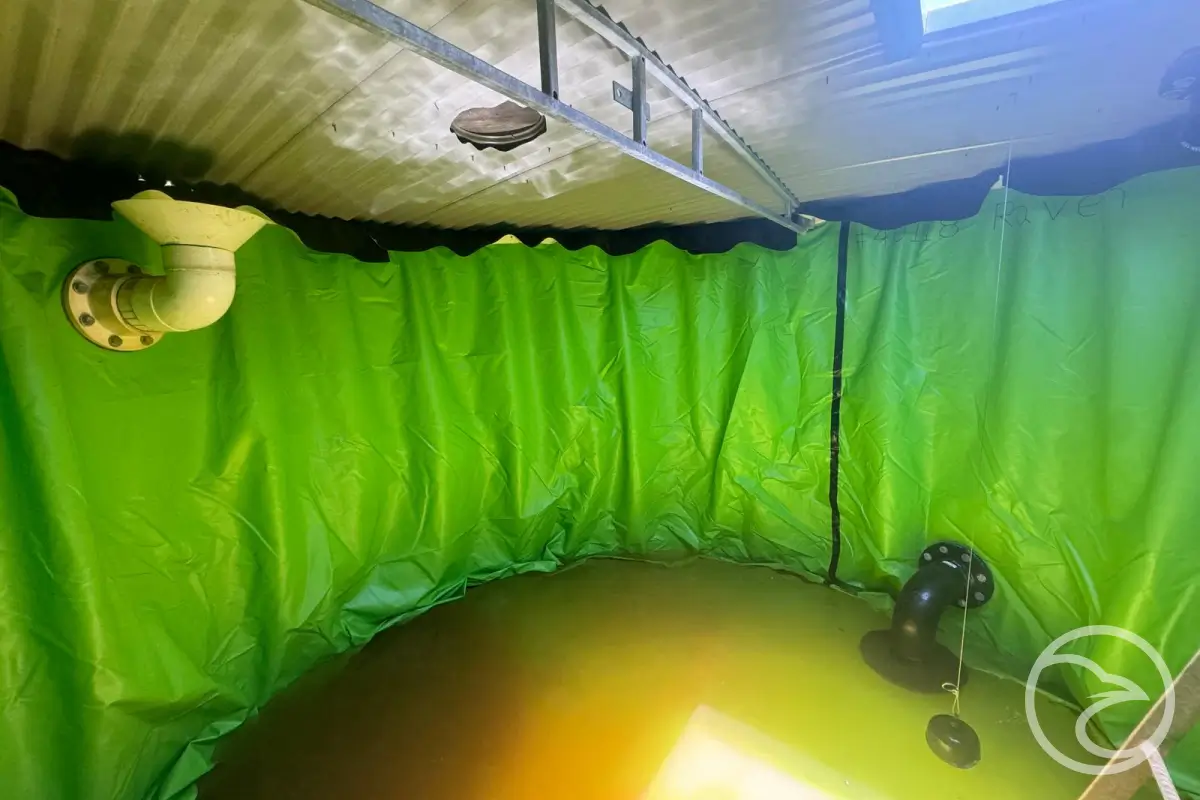
Why Preventive Maintenance Matters
Preventive maintenance reduces severe contamination problems. Routine inspections help facilities monitor internal conditions consistently. Early cleaning usually prevents hardened sediment accumulation. Smaller maintenance projects are often easier and less expensive.
Facilities that delay maintenance may face larger corrective work later. Operators commonly identify problems after noticing water tank cleaning signs such as odours or cloudy water.
Consistent monitoring supports safer and more reliable storage systems.
Choosing the Right Cleaning Method
There is no universal solution for every facility. Tank size, contamination levels, and operational needs all influence maintenance planning. Some facilities combine manual and non-entry methods during different maintenance stages.
Professional assessments help determine the safest and most effective approach. Modern technologies continue changing how tanks are inspected and cleaned.
Facilities managing emergency systems should also review fire water tank cleaning frequency as part of broader maintenance planning.
Final Thoughts
Both manual and non-entry cleaning methods play important roles in tank maintenance. Manual cleaning provides direct access for difficult cleaning conditions. Non-entry methods improve safety and reduce operational downtime.
The right maintenance strategy depends on tank conditions and facility requirements. Routine inspections help operators identify contamination before major problems develop.
Proactive maintenance supports safer operations and longer equipment lifespan. For additional maintenance information, explore professional tank cleaning services.