Water storage tanks play an important role in water supply systems. They support residential, commercial, and industrial needs.
However, tanks can also affect the environment if not maintained properly. Poor practices may lead to water waste, contamination, and material degradation.
Sustainable water tank maintenance helps reduce these risks. It also improves efficiency and extends the tank’s lifespan.
Why Sustainability Matters in Tank Maintenance
Water is a limited resource in many regions. Any loss or contamination has long-term consequences.
Tanks that are not maintained can:
- leak and waste water
- develop harmful bacteria
- require frequent repairs or replacement
Sustainable practices focus on prevention. They reduce environmental impact while keeping systems reliable.
This approach aligns closely with proper tank maintenance, where efficiency and durability are key priorities.
Common Environmental Impacts of Poor Maintenance
Understanding the risks helps identify where improvements are needed.
Water Loss Through Leaks
Small leaks often go unnoticed. Over time, they can waste large amounts of water.
This increases pressure on local water resources.
Contamination Risks
Unclean tanks can introduce bacteria, algae, or debris. This affects water quality and may require chemical treatment.
Excessive chemical use can harm the environment.
Material Degradation
Tanks exposed to harsh conditions may corrode or crack. Damaged materials often need replacement.
Manufacturing and disposal both carry environmental costs.
Energy Inefficiency
Pumping and treating contaminated water requires more energy. This increases the overall environmental footprint.
Key Principles of Sustainable Water Tank Maintenance
Sustainability starts with consistent and practical actions:
1. Regular Inspections
Routine inspections help detect issues early. They prevent small problems from becoming serious.
Check for:
- cracks or corrosion
- loose fittings
- signs of contamination
Early detection reduces repair costs and environmental impact.
2. Preventive Cleaning
Cleaning should follow a planned schedule. It keeps water safe and reduces the need for chemicals.
Avoid over-cleaning. Unnecessary cleaning wastes water and energy. Use methods that minimize environmental harm whenever possible.
3. Leak Prevention and Repair
Fix leaks as soon as they are found. Even minor leaks can escalate quickly.
Sealing joints and maintaining fittings helps preserve water. It also improves system efficiency.
4. Proper Tank Covers and Sealing
Secure lids and covers prevent external contamination. They keep out debris, insects, and animals.
This reduces the need for additional treatment. It also protects water quality naturally.
5. Efficient Water Use Monitoring
Track how water is stored and used. Unexpected changes may indicate leaks or inefficiencies.
Monitoring systems can improve long-term sustainability. They provide data for better maintenance decisions.
Choosing Environmentally Responsible Materials
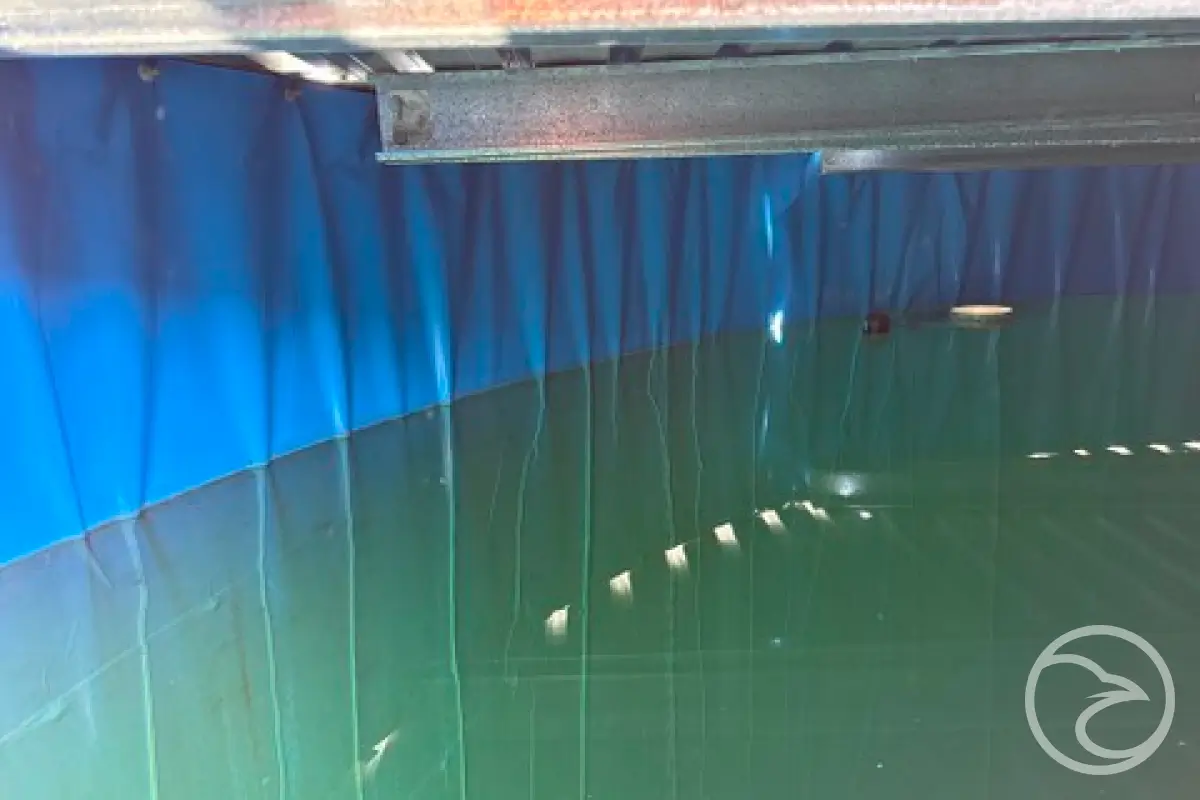
Material selection plays a major role in sustainability. Durable materials last longer and require fewer replacements. This reduces waste and resource consumption.
Common sustainable options include:
- corrosion-resistant metals
- high-quality liners
- UV-stabilized plastics
Well-maintained materials also perform better over time.
Reducing Chemical Dependence
Chemical treatments are sometimes necessary. However, overuse can create environmental problems. Sustainable maintenance focuses on prevention instead.
Clean tanks regularly and maintain proper sealing. This reduces the need for strong chemical interventions.
When chemicals are required, use them carefully and responsibly.
Extending the Life of Your Tank
Longer tank lifespan means fewer replacements. This directly reduces environmental impact.
To extend tank life:
- follow a consistent maintenance schedule
- address issues early
- avoid overloading or misuse
They improve both performance and sustainability.
Integrating Sustainability Into Daily Operations
Sustainable maintenance should not be a one-time effort. It works best when integrated into routine operations.
Train staff or users on proper tank care. Document inspections and maintenance activities.
Consistency is more important than complexity. Simple actions done regularly deliver the best results.
Final Thoughts
Sustainable water tank maintenance is both practical and necessary. It reduces environmental impact while improving system reliability.
By focusing on prevention, efficiency, and durability, you can protect water resources and extend tank lifespan. Even small improvements can make a meaningful difference over time.