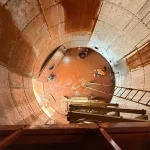
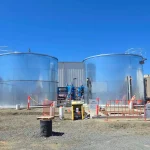
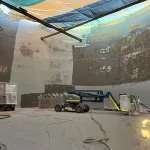
Large water tanks require regular inspections and maintenance. However, many utilities avoid fully draining these systems whenever possible. Emptying large tanks creates operational, structural, and environmental challenges. The process may also increase maintenance costs and service disruptions.
Modern maintenance strategies often focus on reducing downtime during inspections. Understanding water tank draining risks helps facilities plan safer maintenance programs.
Service Interruptions and Supply Issues
Large storage tanks support continuous water distribution systems. Draining them may temporarily reduce available supply capacity. Utilities must maintain reliable service during maintenance activities. This becomes especially important during peak demand periods.
Some facilities require backup systems before draining operations begin. Others may need temporary operational adjustments.
Unexpected outages can create serious logistical challenges. Maintaining water availability remains one of the main reasons utilities avoid unnecessary draining procedures.
Structural Stress on the Tank
Large tanks are designed to hold significant water weight. Sudden draining can create unusual structural stress conditions.
Internal pressure changes may affect tank stability temporarily. Older systems are especially vulnerable during rapid draining procedures.
Some tanks may contain aging coatings or weakened structural components. These issues become more noticeable during maintenance operations.
Routine inspections help identify concerns before they become severe. Facilities managing aging infrastructure often monitor tank sediment buildup alongside structural conditions.
Increased Contamination Risks
Draining a tank exposes internal surfaces to external conditions. Dust, debris, and airborne contaminants may enter during maintenance. Warm temperatures can also increase bacterial growth risks. Extended downtime sometimes worsens contamination concerns.
Improper cleaning procedures may introduce additional water quality issues. Utilities must carefully manage sanitation during all maintenance activities. Preventive maintenance helps reduce contamination risks over time.
Operators often investigate common water tank cleaning signs before scheduling major cleaning work.
Operational Downtime
Large tank maintenance projects may require significant downtime. Inspection and cleaning procedures often take longer than expected. Draining, cleaning, refilling, and testing require careful coordination. Some facilities cannot easily pause operations for extended periods.
Downtime may affect industrial processes, emergency reserves, and public supply systems. Minimising operational disruption remains a major maintenance priority.
Utilities often seek alternatives that support continued operation during inspections.
Environmental Considerations
Disposing of large water volumes creates environmental challenges. Utilities must manage drainage carefully to avoid local impacts. Sediment and cleaning residues may require controlled disposal procedures. Environmental regulations often influence maintenance planning.
Improper disposal can create compliance and environmental concerns. Large-scale draining projects sometimes require additional permits or monitoring.
Facilities generally prefer maintenance approaches with lower environmental impact.
Financial Costs of Draining
Tank draining projects can become expensive quickly. Labour, equipment, disposal, and downtime all increase operational costs. Additional expenses may include temporary water supply arrangements. Some facilities also require specialised inspection contractors.
Unexpected structural repairs can further increase project budgets. Preventive maintenance usually costs less than emergency corrective work.
Utilities often evaluate long-term maintenance strategies before scheduling major draining operations.
Why Sediment Becomes a Problem
Sediment naturally accumulates inside water storage systems. Minerals, rust, and organic material settle over time.
Heavy buildup may reduce storage capacity and affect water quality. Large sediment deposits often become difficult to remove completely. Older tanks may contain years of compacted material.
Routine inspections help facilities monitor accumulation rates. Understanding fire water tank cleaning frequency can also support broader maintenance planning for emergency storage systems.
Modern Alternatives to Full Draining
Maintenance technology continues improving across the water industry. Many facilities now use methods that reduce operational interruptions.
Modern inspection tools may allow partial or non-drain assessments. These approaches minimise downtime and water loss. Some technologies support underwater inspections while tanks remain operational.
Advanced cleaning systems also improve maintenance efficiency and worker safety. Utilities increasingly explore alternatives before choosing complete drainage procedures.
Benefits of Non-Entry Maintenance Methods
Traditional tank maintenance often required confined space entry. Modern approaches aim to reduce worker exposure to hazardous environments. Some facilities now use non-entry tank cleaning methods during maintenance operations.
These systems may reduce downtime and improve inspection efficiency. Remote equipment can also support inspections in difficult environments.
Safer maintenance procedures help reduce operational and workplace risks.
Importance of Preventive Maintenance
Preventive maintenance reduces the need for large corrective projects. Routine inspections help identify problems early.
Facilities that monitor tank conditions regularly often avoid severe contamination issues. Maintenance planning should include cleaning schedules, water quality monitoring, and structural assessments. Long-term asset management improves reliability and operational stability.
Utilities benefit from proactive maintenance strategies instead of reactive emergency repairs.
Final Thoughts
Draining large water tanks creates several operational challenges. Utilities must consider structural, environmental, financial, and service-related risks.
Modern maintenance approaches now offer safer alternatives for many facilities. Routine inspections and preventive maintenance help reduce long-term operational problems. Proper planning supports safer water storage systems and more reliable infrastructure performance.
For additional maintenance information, explore professional tank cleaning solutions.