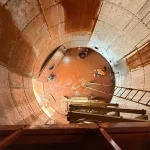
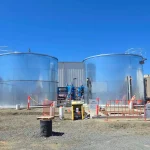
Water tanks are designed for long-term use. However, internal deterioration often develops unnoticed. Most failures do not happen suddenly. They build up slowly over time.
Understanding hidden causes helps prevent damage. It also improves overall system performance.
Why Interior Deterioration Is Often Missed
Internal damage is not always visible from the outside. Early signs are subtle and easy to ignore. Small changes in water quality or structure may indicate deeper issues inside the tank.
Without inspection, deterioration can progress unnoticed. This increases the risk of leaks and system failure. A proper tank maintenance services approach helps detect these problems early.
1. Chemical Imbalance in Stored Water
Water chemistry plays a major role in deterioration. Changes in pH or mineral content can damage materials. Acidic or highly mineralized water accelerates corrosion. It weakens internal surfaces over time.
Chemical reactions may not be visible immediately. However, they gradually reduce structural integrity.
2. Sediment and Mineral Buildup
Sediment naturally settles at the bottom of tanks. Over time, this buildup becomes a serious issue. Deposits can trap moisture and contaminants. They also create uneven internal surfaces.
This leads to scaling and internal stress. If not removed, sediment accelerates deterioration.
3. Biofilm and Microbial Growth
Microorganisms often form layers inside tanks. These layers are known as biofilms. Biofilms attach to internal surfaces. They protect bacteria and promote corrosion.
Once established, they are difficult to remove. They also affect water quality.
4. Degradation of Protective Linings
Many tanks rely on internal coatings or liners. These layers protect the structure from water exposure.
Over time, coatings may:
- crack
- peel
- lose adhesion
Surface degradation often signals material breakdown. Damaged linings expose the tank to corrosion.
5. Temperature Fluctuations
Temperature changes affect tank materials. Expansion and contraction create internal stress. Repeated cycles can weaken surfaces. This may lead to microcracks.
These cracks often go unnoticed at first. However, they can grow over time.
6. Poor Water Circulation
Stagnant water increases deterioration risks. It allows contaminants to settle and accumulate. Low-flow areas inside tanks are especially vulnerable. These zones support bacterial growth and sediment buildup.
Poor circulation also reduces treatment effectiveness.
7. Oxygen Exposure and Corrosion
Oxygen accelerates corrosion in metal tanks. Even small amounts can trigger chemical reactions. Areas with higher oxygen exposure deteriorate faster. This often occurs near the top of the tank.
Corrosion weakens the structure and leads to leaks.

8. Lack of Regular Inspection
One of the most overlooked causes is simple neglect. Without inspections, early damage goes undetected.
Routine checks help identify:
- surface wear
- internal buildup
- coating damage
Ignoring maintenance allows deterioration to accelerate.
How Deterioration Leads to Larger Problems
Internal damage rarely stays isolated. It often leads to more serious issues.
Common outcomes include:
- leaks
- contamination
- structural failure
Preventing Interior Deterioration
Prevention requires consistent maintenance.
Key actions include:
- regular inspections
- scheduled cleaning
- monitoring water quality
- maintaining internal coatings
Following water tank maintenance best practices helps reduce long-term damage.
The Link Between Deterioration and Sustainability
Deterioration increases repair and replacement needs. This leads to higher material and resource use. Preventing damage supports more sustainable operations. It reduces waste and extends tank lifespan.
Learn more in sustainable water tank maintenance.
Final Thoughts
Tank interior deterioration is often overlooked. However, it plays a major role in system performance. Most causes develop slowly and silently. Without proper care, they lead to serious damage.
Understanding these hidden factors helps prevent failure. It also improves long-term reliability.
A proactive approach ensures your tank remains efficient.