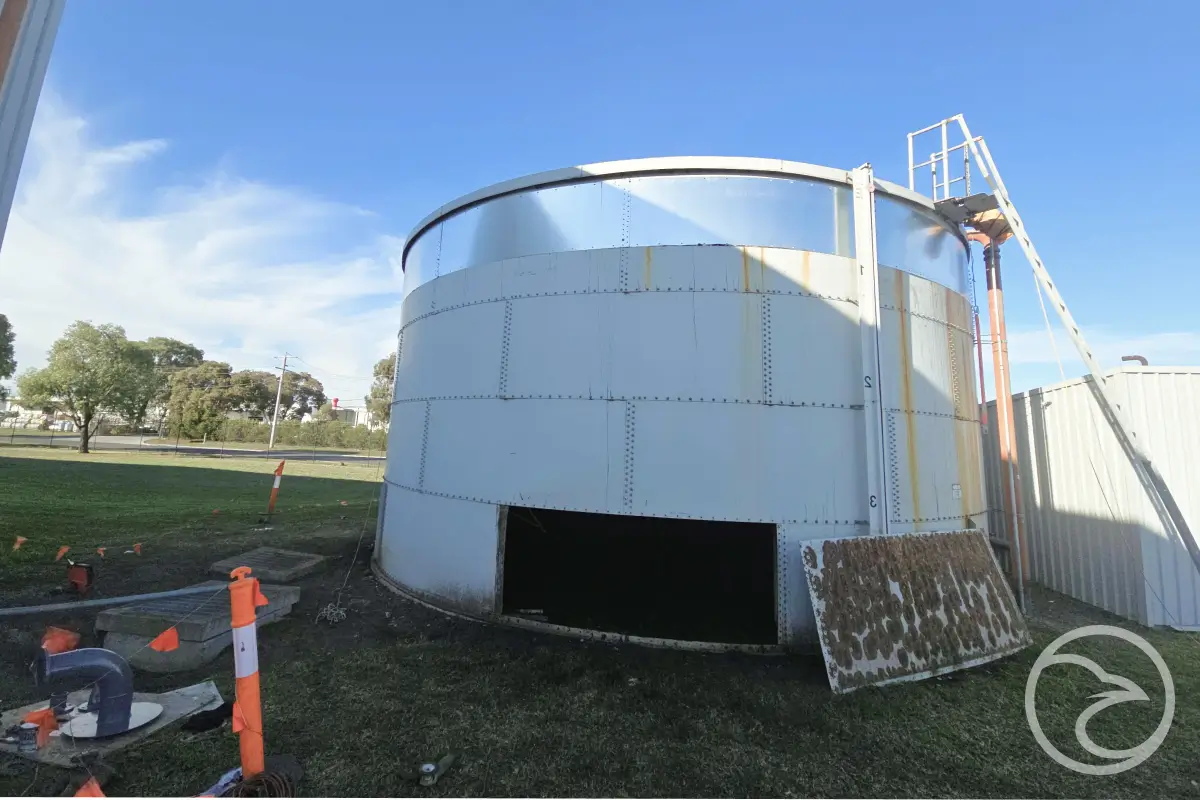
Water tanks play a critical role in commercial, industrial, and municipal infrastructure. Over time, even well-maintained tanks require refurbishment to maintain performance, support operational requirements, and extend service life.
However, refurbishment is not a single process. Different projects require different approaches depending on the tank design, condition, and long-term objectives.
Understanding the types of water tank refurbishment can help facility owners plan future upgrades and make informed asset management decisions.
Why Water Tank Refurbishment Varies
Every water tank is different.
Factors that influence refurbishment requirements include:
- tank design
- construction materials
- operating environment
- age of the asset
- future operational needs
As a result, refurbishment projects are often tailored to the specific requirements of each tank. The chosen approach depends on what improvements are needed and how the tank is expected to perform in the future.
Structural Refurbishment
Structural refurbishment focuses on improving the physical integrity of the tank. The objective is to ensure the structure remains capable of supporting long-term operation.
This type of refurbishment may involve:
- strengthening structural components
- upgrading support systems
- improving stability
- restoring critical tank elements
Structural refurbishment is commonly used when extending the service life of ageing infrastructure.
Protective Coating Refurbishment
Protective coatings play an important role in preserving tank performance. Over time, these systems may require renewal to maintain effectiveness.
Coating refurbishment can help:
- protect tank surfaces
- improve durability
- support long-term performance
- reduce environmental impact
Many refurbishment projects include coating upgrades as part of a broader restoration strategy.
Roof Refurbishment
Tank roofs are exposed to environmental conditions throughout their service life. As a result, roof systems often become an important focus during refurbishment projects. A tank roof and structure integrity assessment can help identify refurbishment needs.
Roof refurbishment may include:
- structural improvements
- weather protection upgrades
- safety enhancements
- component replacement
The exact scope depends on the design and condition of the existing roof.
Access and Safety Upgrades
Modern facilities place a strong emphasis on safety and accessibility. Many refurbishment projects include upgrades to access systems and safety features.
Common improvements may involve:
- ladders
- platforms
- walkways
- guardrails
- access points
These upgrades can improve both operational safety and future maintenance efficiency.
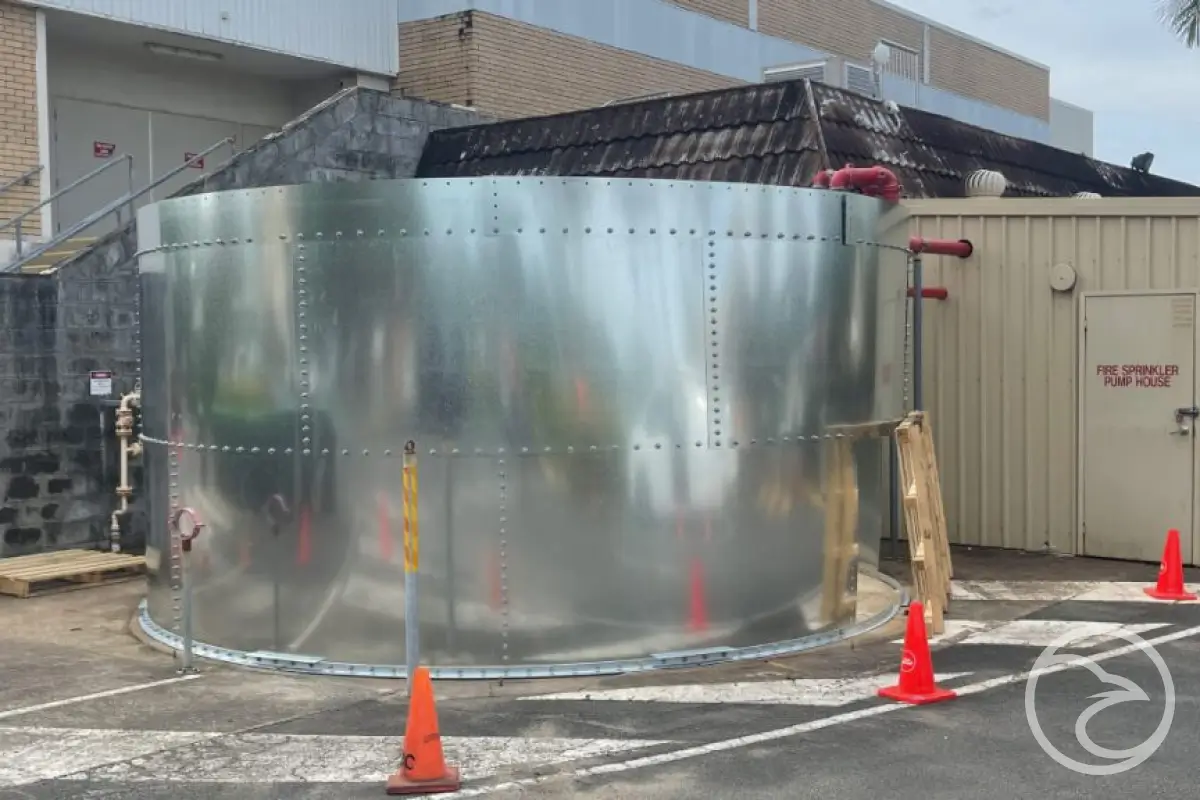
Sectional Tank Refurbishment
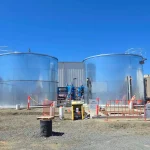
Sectional tanks are widely used across many industries. Because these tanks are built from individual panels, refurbishment often focuses on specific components rather than the entire structure.
A sectional tank refurbishment project may include:
- panel upgrades
- structural improvements
- roof refurbishment
- access system enhancements
- protective coating renewal
This approach allows owners to improve performance while retaining much of the original structure.
Panel Refurbishment Projects
Panel tanks often require specialised refurbishment strategies. The scope of work varies according to the tank design and operational requirements.
Professional panel tank refurbishment may focus on:
- panel condition assessment
- component upgrades
- structural improvements
- long-term asset preservation
The objective is to maximise service life while supporting continued operational reliability.
Refurbishment for Asset Life Extension
Many organisations undertake refurbishment primarily to extend the lifespan of existing infrastructure. Rather than replacing a tank, owners may invest in targeted upgrades that improve long-term performance.
Life extension projects often focus on:
- improving reliability
- modernising key components
- supporting future operations
- reducing lifecycle costs
This approach can help maximise the return on existing assets.
Refurbishment to Support Operational Changes
Operational requirements often change over time. Facility expansions, increased demand, and updated standards can all influence refurbishment decisions.
In these situations, refurbishment may be used to adapt an existing tank to new requirements.
Projects may include:
- capacity-related upgrades
- safety improvements
- infrastructure modernisation
- operational enhancements
These upgrades help ensure the tank remains fit for purpose.
Choosing the Right Refurbishment Approach
The most suitable refurbishment strategy depends on the condition of the tank and the goals of the project. Some tanks may require structural improvements. Others may benefit from coating upgrades, roof refurbishment, or access system enhancements.
Understanding different water tank refurbishment methods helps owners identify the most appropriate solution for their assets. A detailed assessment is often the first step in selecting the right refurbishment approach.
Conclusion
There are several types of water tank refurbishment, each designed to address different operational and asset management objectives. From structural improvements and coating upgrades to sectional tank refurbishment and safety enhancements, the appropriate approach depends on the specific needs of the tank.
Understanding the available refurbishment options helps organisations make informed decisions, extend asset life, and maximise the value of existing infrastructure.
Before selecting a refurbishment strategy, it is also useful to consider when to refurbish a water tank to ensure upgrades are planned at the most effective stage of the asset lifecycle.