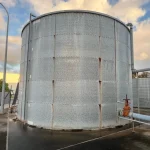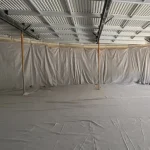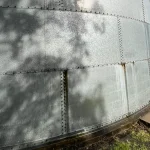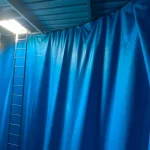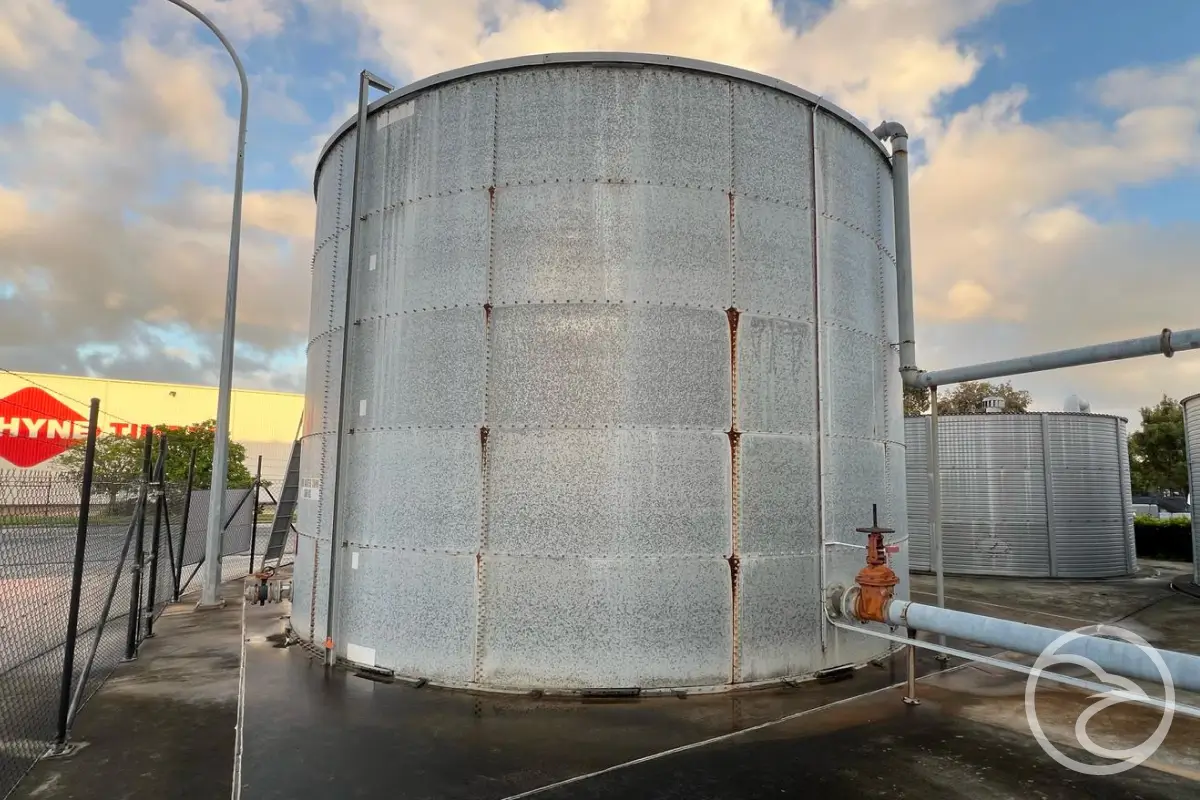
Water tank wall bulging is a warning sign that should never be ignored. Visible deformation may indicate excessive pressure, weakened structural supports, or problems with the tank foundation.
Commercial and industrial water tanks are designed to withstand the forces created by stored water. However, structural components can deteriorate or move over time.
When a tank wall begins to bow, bulge, or change shape, its structural performance may be affected. Understanding the causes of water tank wall deformation helps facility managers recognise potential problems and arrange appropriate assessments.
This guide explains why water tank walls bulge, the risks involved, and when professional intervention may be necessary.
What is Water Tank Wall Bulging?
Water tank wall bulging occurs when part of the tank wall moves outward or changes shape beyond its intended design. The deformation may affect an individual panel, several connected panels, or a larger section of the structure.
Some tanks are designed with a degree of normal deflection under operating loads. Therefore, not every visible curve indicates structural failure.
However, unexpected, increasing, or uneven deformation requires investigation.
Common signs include:
-
Outward movement of tank wall panels.
-
Uneven or distorted panel surfaces.
-
Gaps developing between adjoining sections.
-
Changes in the alignment of bolts or connections.
-
Localised deformation near the tank base.
-
Cracking, leakage, or damaged protective coatings.
These symptoms may indicate that the tank is no longer distributing loads as intended.
Why do Water Tank Walls Bulge?
Several factors can contribute to water tank wall deformation. The underlying cause often depends on the tank’s construction material, design, age, and operating conditions.
1. Excessive Hydrostatic Pressure
Hydrostatic pressure is the force exerted by stored water against the tank walls. This pressure increases with water depth. Consequently, the lower sections of a tank generally experience greater pressure than the upper sections.
Tank walls and supporting components must be designed to withstand these loads. Problems may develop when a tank operates outside its intended design conditions.
For example, an excessive water level can increase loading beyond the normal operating range. However, normal hydrostatic pressure should not cause unacceptable deformation in a correctly designed and maintained tank.
Warning signs:
-
Increasing outward movement near the lower panels.
-
Distortion that becomes more noticeable as the tank fills.
-
Changes in panel alignment.
-
Leakage developing around stressed joints.
A professional assessment can determine whether the deformation is within acceptable design limits.
2. Corrosion and Material Deterioration
Steel water tanks can experience corrosion when protective coatings deteriorate or metal surfaces remain exposed to moisture. Over time, corrosion may reduce the effective thickness of structural components.
This can weaken panels, fasteners, or supporting members. Corrosion is particularly concerning when it affects areas exposed to significant structural loads.
Possible warning signs include:
-
Extensive rust around panel connections.
-
Corrosion near structural supports.
-
Flaking or damaged protective coatings.
-
Localised wall distortion.
-
Water staining around joints.
Surface corrosion does not automatically mean that a tank is structurally unsafe. However, advanced corrosion combined with deformation requires careful assessment.
3. Damaged or Weakened Internal Supports
Some water tanks use internal bracing, tie rods, or other structural supports to resist water pressure. These components help maintain the intended shape of the tank.
If a support becomes damaged, corroded, loose, or disconnected, the surrounding wall may experience increased movement. This can result in localised bulging or more extensive panel deformation.
Potential causes include:
-
Corrosion of internal support members.
-
Damaged connections.
-
Incorrect installation.
-
Mechanical impact.
-
Long-term deterioration.
-
Previous repairs that altered the original structural arrangement.
Internal support problems may not be visible from outside the tank. Specialist inspection methods may therefore be necessary to identify the cause.
4. Water Tank Foundation Problems
The foundation plays an essential role in maintaining the structural stability of a water storage tank. It supports the weight of the tank and its contents while distributing loads to the ground.
If the foundation settles unevenly, different sections of the structure may experience additional stress. This can affect the alignment of wall panels, connections, and supporting components.
Common foundation-related problems include:
-
Uneven settlement.
-
Cracking in supporting concrete.
-
Ground erosion.
-
Inadequate drainage.
-
Localised loss of support.
-
Movement caused by nearby construction activities.
Foundation movement can contribute to wall distortion, joint separation, and recurring leakage. Important: A bulging wall should not automatically be attributed to foundation settlement.
The foundation, tank structure, and surrounding conditions should be assessed together.
5. Loose or Damaged Panel Connections
Sectional water tanks rely on properly installed connections to maintain structural integrity. Depending on the design, these connections may include bolts, fasteners, gaskets, and reinforcing components.
Loose or damaged connections can allow unwanted movement between adjoining panels. Over time, this movement may contribute to deformation or leakage.
Possible warning signs include:
-
Uneven gaps between panels.
-
Misaligned connections.
-
Missing or corroded fasteners.
-
Water escaping through joints.
-
Changes in panel positioning.
Replacing a gasket or tightening a bolt may not resolve the problem if the underlying structure has moved. The cause of the movement should be identified before corrective work begins.
6. Poor Installation or Assembly
Installation errors can create structural weaknesses even in relatively new tanks. For sectional systems, correct panel positioning, support installation, and connection assembly are essential.
Potential problems include:
-
Incorrectly installed structural supports.
-
Uneven foundation preparation.
-
Improper bolt tightening.
-
Misaligned panels.
-
Missing reinforcing components.
-
Inadequate support for connected pipework.
These issues can affect how loads are transferred through the tank. Some installation defects become noticeable only after repeated filling and emptying cycles.
A professional assessment can help determine whether the deformation is related to installation quality.
7. Temperature Changes and Material Movement
Water tanks experience temperature changes throughout the day and across different seasons. Steel components expand when heated and contract as temperatures fall.
Tank designs must accommodate expected thermal movement. However, restricted movement, unsuitable connections, or existing structural weaknesses can create additional stress.
Repeated temperature changes may also affect ageing seals and protective coatings. Temperature variation alone should not cause significant wall bulging in a properly designed tank.
Unexpected deformation may indicate that several factors are acting together. Structural movement can place additional stress on tank joints and seals. Understanding why water tank walls bulge can help identify underlying problems that contribute to recurring leaks.
Warning Signs of Water Tank Structural Damage
Wall bulging is one potential indication of structural deterioration. Other changes may appear before significant deformation becomes visible.
| Warning sign | Possible concern |
|---|---|
| Outward wall movement | Excessive loading or weakened supports |
| Uneven panel alignment | Connection problems or structural movement |
| Cracks near the tank base | Foundation or structural stress |
| Corroded structural members | Reduced component strength |
| Recurring joint leakage | Movement or deteriorated connections |
| Sudden change in wall shape | Potential structural instability |
| Deformation that increases during filling | Load-related structural problem |
These signs require professional interpretation. A visual inspection alone may not establish whether the tank remains safe to operate.
Can a Bulging Water Tank Wall Collapse?
Severe wall deformation can indicate an increased risk of structural failure. However, the likelihood of collapse depends on several factors, including the tank design, material condition, support system, and extent of damage.
A small, stable deformation may have a different significance from rapidly increasing wall movement.
Particular concern is warranted when bulging occurs alongside:
-
Sudden or increasing deformation.
-
Significant corrosion.
-
Failed structural supports.
-
Foundation movement.
-
Multiple leaking joints.
-
Unusual noises or visible movement during filling.
These conditions may indicate that structural loads are no longer being managed safely. Personnel should avoid approaching or working beneath potentially unstable components.
Where serious structural damage is suspected, the area should be secured and the tank assessed urgently by a qualified professional.
The tank should not be drained, refilled, or modified without considering how these actions could affect structural stability and connected systems.
How are Bulging Water Tank Walls Assessed?
A professional assessment should establish the cause, severity, and progression of the deformation. The process may involve several stages.
External Visual Inspection
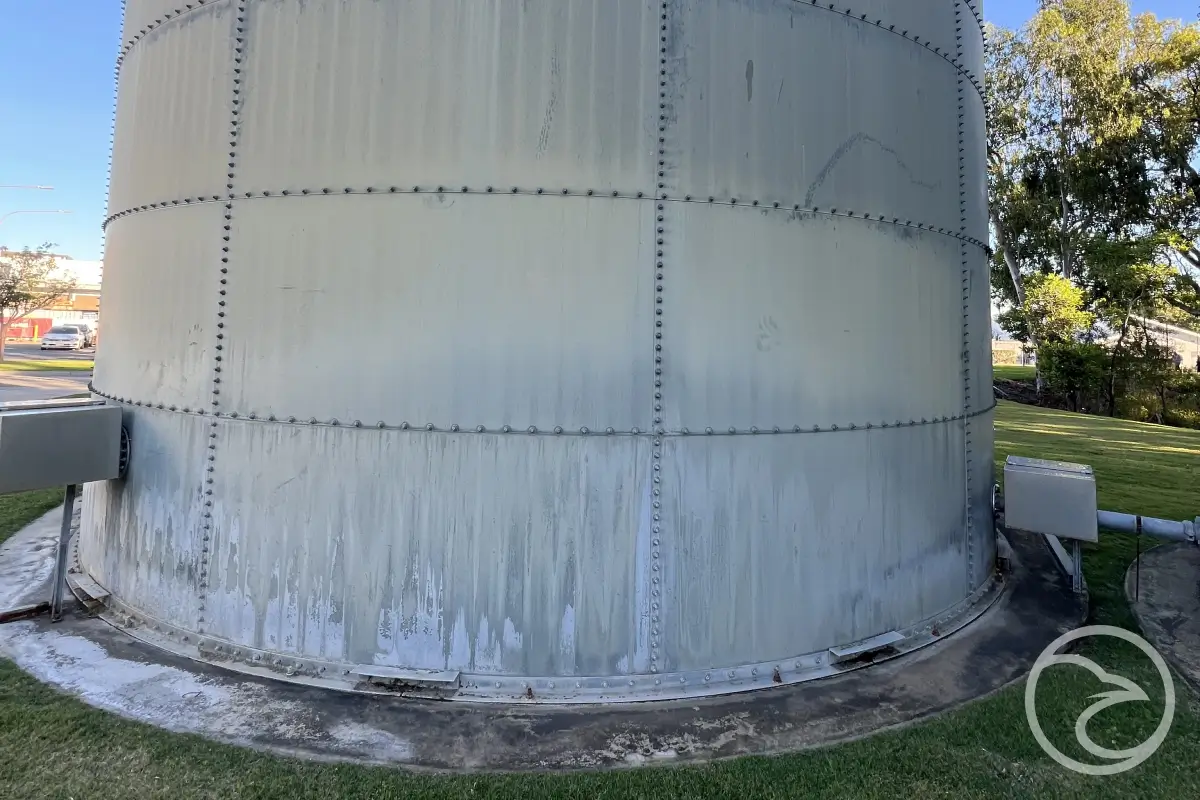
Inspectors examine accessible wall panels, joints, supports, and surrounding structures. They look for corrosion, movement, cracking, leakage, and changes in alignment.
Photographs and previous inspection records can help determine whether the deformation is increasing.
Structural Measurements
Where necessary, technicians may measure wall deflection and compare the results with relevant design information. This can help distinguish expected movement from potentially unacceptable deformation.
Foundation Assessment
The supporting foundation may be examined for settlement, cracking, erosion, or other changes. An assessment may also consider drainage and surrounding ground conditions.
Internal Structural Inspection
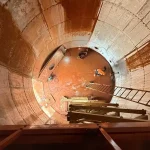
Internal inspection may be necessary to examine bracing, tie rods, supports, and connections. Access methods should reflect the tank’s operating conditions and applicable safety requirements.
Confined space entry must only be undertaken with appropriate controls.
Engineering Evaluation
Where significant deformation is identified, a qualified structural engineer may be required to assess the tank. The evaluation can help determine whether repairs, reinforcement, operational restrictions, or replacement are appropriate.
Can Bulging Water Tank Walls be Repaired?
Some forms of water tank wall deformation can be repaired. However, the correct solution depends on the underlying cause and the structural condition of the tank.
Possible corrective work may include:
-
Replacing damaged wall panels.
-
Repairing or replacing structural supports.
-
Addressing corroded components.
-
Restoring damaged connections.
-
Correcting foundation problems.
-
Installing engineered reinforcement where appropriate.
These measures should be based on an assessment rather than appearance alone. For example, replacing a visibly distorted panel may not solve the problem if a failed internal support caused the deformation.
Similarly, repairing a leaking joint will not necessarily correct structural movement. Structural deformation may indicate deeper problems with the tank’s supports, panels, or foundation. Our water tank repair guide explains common tank defects, repair methods, and maintenance considerations.
When is Tank Refurbishment a Better Option?
Localised repairs may be appropriate when damage is limited to specific components. However, more extensive deterioration can require a broader restoration programme.
Tank refurbishment may be considered when:
-
Several panels show signs of deterioration.
-
Protective coatings have failed across large areas.
-
Multiple connections require replacement.
-
Corrosion affects several structural components.
-
The tank requires coordinated repairs to restore its condition.
Refurbishment may involve a combination of structural repairs, component replacement, coating restoration, and other approved work. Professional tank refurbishment can help restore ageing water storage systems where a condition assessment confirms that continued use is appropriate.
However, refurbishment is not always possible. Tanks with severe structural deterioration or unsuitable foundations may require more extensive reconstruction or replacement.
How to Prevent Water Tank Wall Bulging
Not every structural problem can be prevented through routine maintenance. However, regular monitoring can help identify developing issues before they become severe.
Monitor Wall Alignment
Check accessible wall surfaces for unexpected changes in shape. Compare current conditions with previous photographs or inspection reports.
Increasing deformation should be investigated promptly.
Maintain Structural Components
Inspect accessible supports, fasteners, and connections for deterioration. Corroded or damaged components should be assessed before they affect the surrounding structure.
Check Foundation Conditions
Look for cracking, settlement, erosion, or standing water around the tank foundation. Changes in surrounding drainage or ground conditions may require further investigation.
Maintain Protective Coatings
Protective coatings help reduce corrosion on susceptible metal surfaces. Damaged coatings should be assessed and repaired using suitable materials and procedures.
Avoid Unapproved Modifications
Changes to water levels, connected pipework, or structural components can affect tank loading. Modifications should be reviewed against the original design requirements.
Keep Accurate Maintenance Records
Record observed defects, repairs, measurements, and changes in tank condition. Consistent records help facility managers recognise deterioration trends and plan maintenance.
Conclusion
Water tank wall bulging can indicate problems with structural supports, panel connections, corrosion, foundation stability, or operating loads.
Although some wall movement may be normal, unexpected or increasing deformation should never be ignored. Early identification and professional assessment help facility managers understand the risks and choose appropriate corrective work.
Regular maintenance, accurate records, and timely structural evaluations support the long-term reliability of commercial and industrial water storage tanks.