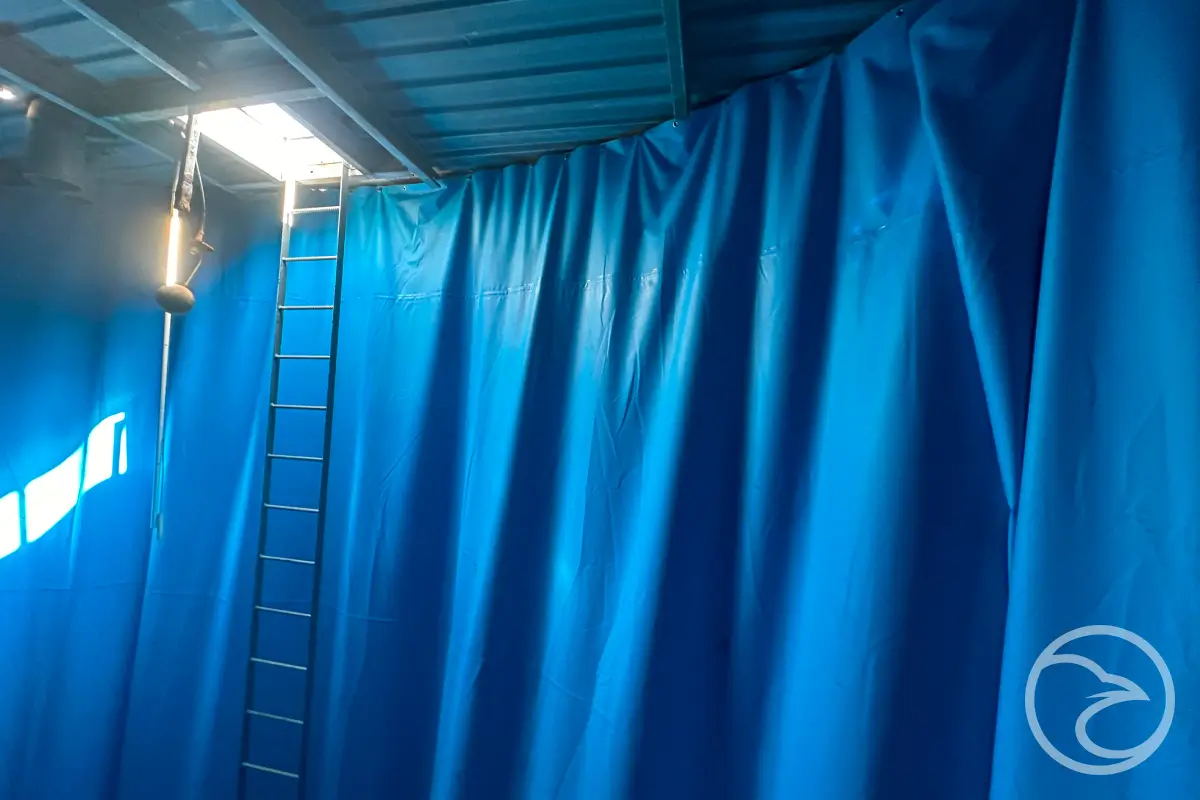
Fire water tanks provide a dedicated water supply for fire protection systems. Their reliability depends on more than the tank structure. Where a tank uses an internal liner, the liner forms an important part of the containment system.
Regular inspection can identify deterioration before it develops into more significant damage. Australian fire protection requirements also include routine servicing activities for water storage tanks.
AS 1851-2012 covers inspection, testing, preventive maintenance, and surveys of fire protection systems and equipment. Section 5 specifically addresses water storage tanks used for fire protection systems. It identifies liner condition as an area requiring attention.
This guide explains fire tank liner inspections, common defects, and relevant Australian Standards.
Why Fire Tank Liner Inspections Matter
Fire water tanks can remain full for long periods between emergency events. During that time, the liner remains continuously exposed to stored water and normal tank conditions.
Material ageing can gradually change liner flexibility and surface condition. Movement within the tank can also place additional stress around corners, fittings, and attachment points.
Inspections help identify these changes.
They can reveal:
- Cuts and tears
- Visible leakage
- Liner shrinkage
- Increased membrane tension
- Loss of flexibility
- Discolouration
- Surface deterioration
- Bulging or elongation
- Problems around fixings
- Mechanical damage
An inspection is therefore about more than finding an active leak. It helps assess whether the liner remains in suitable condition for continued service.
Inspection records can also show whether particular defects are stable or becoming progressively worse.
Which Australian Standards Apply to Fire Water Tanks?
Australian fire water tanks can be subject to several requirements depending on their design and application. Two important standards in this area are AS 1851 and AS 2304.
They cover different stages of a fire water tank’s lifecycle.
AS 1851-2012 and Routine Servicing
AS 1851-2012 covers routine servicing of fire protection systems and equipment. The standard includes inspection, testing, preventive maintenance, and survey activities. Section 5 specifically addresses water storage tanks used for fire protection systems.
It includes servicing activities at different intervals. These activities cover the tank structure, water condition, internal components, and liner condition where applicable.
AS 1851 therefore becomes particularly relevant after a fire water tank enters service.
AS 2304 and Fire Water Storage Tanks
AS 2304 addresses water storage tanks used in fire protection systems. Its role differs from AS 1851. The standard primarily covers requirements relating to tank design, construction, installation, and commissioning.
These requirements help establish how suitable fire water storage should be provided. AS 2304 can also become relevant when considering water management during particular tank servicing activities.
How AS 1851 and AS 2304 Differ
The simplest distinction concerns when each standard becomes relevant. AS 2304 focuses largely on how fire water storage tanks are designed, constructed, installed, and commissioned.
AS 1851 focuses on routine servicing after fire protection equipment is operational. For existing fire tanks, AS 1851 provides important guidance for ongoing inspection and maintenance activities.
This includes specific checks relating to fire tank liners.
For a broader overview of servicing and compliance, read what property owners should know about fire tank inspection requirements.
How Often Should Fire Tank Liners be Inspected?
Fire tank inspection should not be viewed as a single activity performed at one fixed interval. AS 1851 includes different routine servicing frequencies for water storage tanks. These include monthly, six-monthly, yearly, and ten-yearly activities.
The required checks vary between those intervals. Some routine inspections focus on accessible and visible components. More comprehensive servicing can provide opportunities to assess areas normally hidden below the waterline.
Liner condition should therefore be considered throughout the tank’s servicing history. Previous findings can also influence future maintenance decisions.
Ten-Year Liner Assessment
Long-term liner condition becomes particularly important during major servicing intervals. AS 1851 includes provisions concerning the remaining life of tank liners. Assessment becomes relevant following the first ten-year drain and clean period or manufacturer warranty expiry.
The earlier applicable point should be considered. The estimated remaining liner life can then inform future inspection planning. This approach recognises that liner condition depends on more than age alone.
Material condition, operating environment, tank condition, and previous deterioration also matter.
What is Checked During a Fire Tank Liner Inspection?
A liner inspection considers both the membrane and the conditions surrounding it. Inspectors may look for physical damage, material changes, movement, and problems around attachment points.
Different signs can indicate different types of deterioration.
Liner Fixings and Attachments
Flexible fire tank liners must remain correctly positioned within the tank. Fixings, eyelets, connectors, and attachment systems help maintain this position. These components can deteriorate or become damaged.
Corrosion around metallic components may also affect nearby liner areas. Loose attachments can change how the membrane sits against the tank.
Inspection should therefore include the liner and its associated fixing system.
Discolouration
Changes in liner colour can occur over time. Discolouration does not automatically indicate liner failure. However, unusual changes can provide useful information about material condition.
The location and extent of discolouration should be considered. Comparing current conditions with previous inspections can also help identify progressive changes.
Shrinkage and Increased Tension
A flexible liner should sit appropriately within its supporting tank structure. Material changes can sometimes cause shrinkage.
Shrinkage may create increased tension around corners, fittings, or attachment points. These areas can then experience additional mechanical stress.
Visible tension or changes in liner position should therefore receive further attention.
Brittleness and Loss of Flexibility
Flexibility is an important property of many fire tank liner materials. The membrane can become less flexible as its condition changes. A brittle liner may respond differently to movement and mechanical stress.
Loss of flexibility can also indicate material ageing or deterioration. Above-waterline and submerged sections may not always age at the same rate.
Both areas should therefore be considered during condition assessment.
Cuts and Tears
Cuts and tears can directly affect the liner’s containment function. Damage may result from installation, maintenance activities, sharp surfaces, or internal tank components.
Even relatively small defects deserve attention. Their location can influence the level of concern.
Damage around penetrations or stressed areas may require particularly careful assessment.
Surface Deterioration
The membrane surface can provide visible evidence of changing material condition. Chalking, unusual texture, or other deterioration may become noticeable during inspection.
Surface changes should be considered alongside flexibility and overall membrane condition. One isolated observation does not always indicate widespread liner failure.
The broader condition should be assessed before determining further action.
Elongation and Bulging
Changes in liner shape can also indicate developing problems. Elongation may show that the membrane has experienced movement or deformation.
Bulging can occur when the liner no longer sits normally against the supporting surface. The cause should be investigated.
The problem may involve the liner, supporting tank surface, or conditions behind the membrane.
Leakage
Visible leakage requires investigation. However, identifying the exact source is not always straightforward.
Water can travel between surfaces before becoming visible outside the tank. The liner itself may not always be the only possible source.
Fittings, penetrations, joints, and surrounding tank components should also be considered.
Above-Waterline Fire Tank Liner Inspections
The area above the normal waterline experiences different conditions from continuously submerged liner surfaces. It may therefore display different forms of deterioration.
Inspection can include checking:
- Eyelets and liner fixings
- Membrane attachments
- Discolouration
- Shrinkage
- Increased tension
- Brittleness
- Cuts
- Tears
- Surface deterioration
- Chalking
These areas are often easier to access during routine inspections. They can provide useful early evidence of changing liner condition.
However, a satisfactory appearance above the waterline does not confirm the condition of submerged areas.
Below-Waterline Fire Tank Liner Inspections
The submerged section of the liner remains continuously exposed to stored water. Its condition can differ from the exposed membrane above.
Below-waterline assessment can consider:
- Loss of flexibility
- Discolouration
- Elongation
- Bulging
- Cuts and tears
- Visible damage
- Leakage
- Changes around internal fittings
The tank base also deserves attention. Weak or damaged areas beneath the liner can affect membrane support.
This makes below-waterline assessment an important part of understanding overall liner condition.
Does a Fire Tank Need to be Drained for Inspection?
Not every fire tank liner inspection requires complete drainage. The appropriate method depends on the required servicing activity and areas being assessed. Visible above-waterline areas can be examined while the tank remains operational.
Below-waterline conditions require a different approach. Some major servicing activities can involve draining and cleaning the tank. This provides access to submerged liner surfaces and internal tank components.
However, draining a fire water tank requires careful planning. The tank forms part of an active fire protection system.
Removing it from service can therefore affect available fire water storage.
Can Fire Tank Liners be Inspected Underwater?
Underwater inspection can provide another way to examine submerged tank areas. AS 1851 recognises underwater inspection techniques in certain circumstances. These methods can allow submerged surfaces to be assessed without completely draining the tank.
The appropriate method depends on the required inspection and tank conditions. Manufacturer requirements may also need consideration. An underwater inspection should still provide adequate access to the areas requiring assessment.
It should not simply replace draining when the required servicing activity cannot be completed underwater.
What Happens During a Ten-Year Fire Tank Inspection?
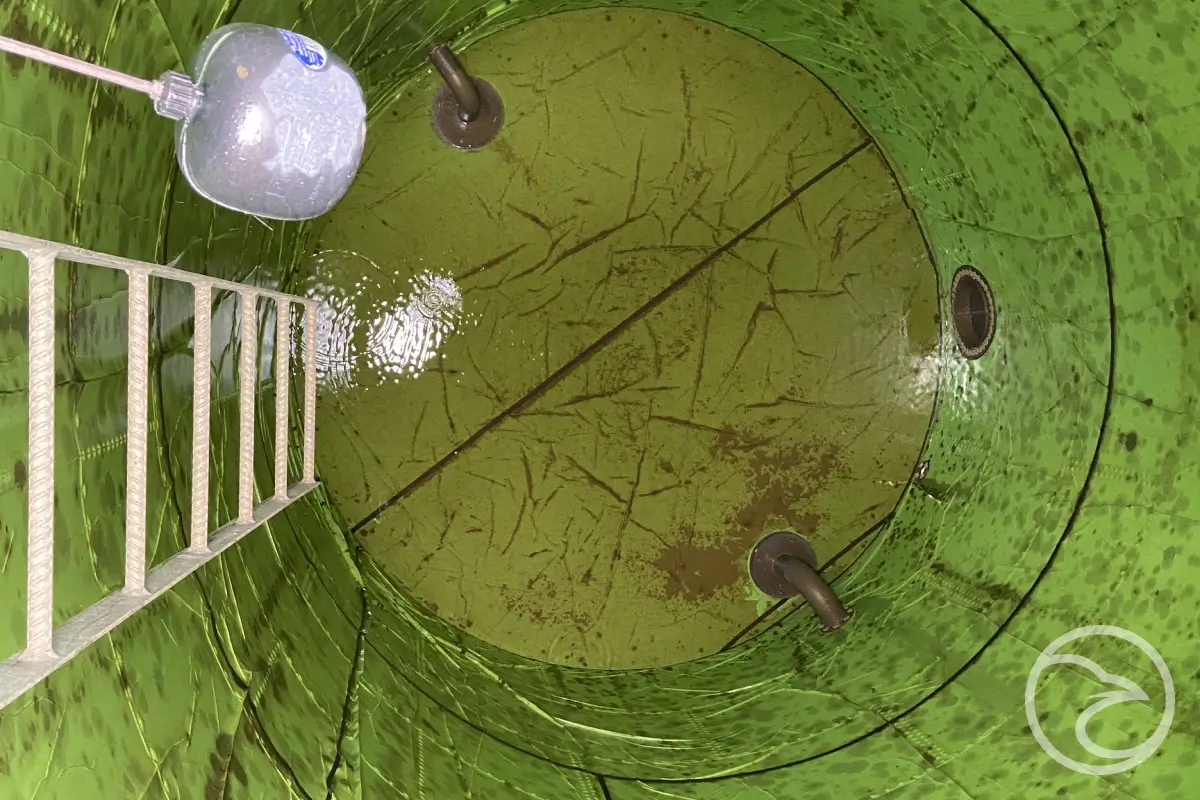
Long-term servicing allows a more detailed assessment of tank condition. A scheduled drain and clean can expose areas normally hidden by stored water.
This provides an opportunity to inspect the liner and surrounding tank components.
Important areas can include:
- Overall liner condition
- Tank base condition
- Internal surfaces
- Sludge and debris
- Internal fittings
- Liner positioning
- Fixings and attachments
- Cuts and tears
- Signs of leakage
- Material flexibility
- Remaining liner life
Cleaning methods also matter. Flexible liners can be damaged by sharp tools or unsuitable equipment. Care is required when removing sludge or debris from lined tanks.
The liner should not be punctured or torn during maintenance. A major inspection also creates an important condition record. Future inspections can use this information to identify progressive changes.
What can Damage Fire Tank Liners?
Fire tank liner deterioration does not have a single cause. Several factors can influence membrane condition throughout its service life.
Material Ageing
Polymer materials can change as they age. These changes may affect flexibility, dimensions, or surface characteristics.
The rate of change depends on the material and operating environment. Age should therefore be considered alongside actual liner condition.
Tank Surface Conditions
The liner depends on a suitable supporting surface. Sharp edges, rough surfaces, and protrusions can create localised mechanical stress.
Debris trapped beneath the membrane can create similar problems. These conditions may eventually contribute to punctures or other damage.
Corrosion
A liner separates stored water from parts of the tank surface. However, it does not remove every corrosion risk within the structure.
Corrosion can create rough or sharp areas near the membrane. These areas may increase the risk of mechanical liner damage.
Structural corrosion also requires separate attention from liner condition.
Mechanical Damage
Maintenance activities can accidentally damage flexible liners. Sharp tools, equipment, or inappropriate footwear can create cuts and punctures.
Cleaning activities require particular care. The liner should remain protected whenever personnel or equipment enter the tank.
Liner Movement
A correctly installed liner should remain appropriately positioned. Unexpected movement can create folds or additional tension.
Stress may become concentrated around corners, fittings, and penetrations. Visible changes in liner position should therefore be investigated.
Environmental Conditions
Different areas of the liner can experience different environmental conditions. Sections above the waterline may experience greater exposure to air and temperature changes.
Submerged areas remain continuously exposed to stored water. These differences can produce different deterioration patterns.
If an inspection reveals significant deterioration, these 7 key signs of fire water tank lining replacement can help identify when replacement may require consideration.
When do Inspection Findings Require Further Action?
Not every liner defect requires immediate replacement. The appropriate response depends on the type, location, and extent of the problem. Minor observations may require monitoring.
Localised damage may require further assessment or repair. More extensive deterioration may raise questions about remaining liner life.
Conditions requiring closer attention can include:
- Significant loss of flexibility
- Active leakage
- Multiple cuts or tears
- Severe shrinkage
- Excessive membrane tension
- Extensive surface deterioration
- Significant bulging
- Damaged fixing systems
- Recurring problems after previous repairs
The underlying cause should also be identified. Repairing liner damage without correcting its cause may allow the problem to return.
For example, a puncture caused by a sharp substrate requires more than membrane repair. The surface condition also needs attention.
Explore fire tank liners designed to support reliable water containment in fire protection storage systems.
Why Fire Tank Inspection Records Matter
Individual inspections provide a snapshot of current tank condition. Inspection history provides a much broader picture.
Records can show whether a defect has remained stable or progressed. They can also document previous repairs and maintenance activities.
Useful information can include:
- Previous inspection reports
- Recorded liner defects
- Completed repairs
- Installation date
- Manufacturer information
- Warranty information
- Previous drain and clean activities
- Changes in liner condition
This information becomes particularly useful during long-term condition assessment. It can support decisions about future servicing, repair, and eventual replacement.
Preparing for a Fire Tank Liner Inspection
Inspection planning should consider both the liner and the wider fire protection system. Previous documentation provides a useful starting point.
The tank configuration and required access should also be understood.
Before more detailed inspection work, relevant information can include:
- Tank drawings
- Previous inspection reports
- Liner specifications
- Manufacturer information
- Known defects
- Previous repairs
- Tank access arrangements
- Isolation requirements
- Water management requirements
Additional planning may be necessary when draining or internal entry is required. A fire water tank should not be treated like an ordinary storage tank.
Its availability can affect the building’s fire protection arrangements.
Fire Tank Inspection and Liner Replacement are Different Decisions
Inspection and replacement should not be treated as the same process. The purpose of inspection is to establish current condition. The findings can then determine whether further action is necessary.
A liner with minor localised damage may have different requirements from one showing widespread deterioration. Repair may be possible in some situations. Other conditions can justify a broader assessment of remaining service life.
Replacement becomes a separate decision based on the liner’s actual condition and system requirements. This distinction helps avoid replacing a liner solely because it has reached a particular age.
It also prevents significant deterioration from being ignored simply because the liner has not yet leaked.
Maintaining Fire Tank Liners Through Regular Inspection
Fire tank liners form an important part of many fire water storage systems. Their condition should be assessed throughout the tank’s operating life. Inspection can identify much more than obvious leakage.
Changes in flexibility, tension, surface condition, positioning, and fixings can provide important information. Above-waterline and submerged areas can also develop different forms of deterioration. This makes a complete condition assessment particularly valuable.
Australian Standards provide a framework for servicing fire water storage tanks. AS 1851 is particularly relevant to ongoing routine servicing and liner condition checks. Long-term inspection records can also help track deterioration and support future maintenance planning.
A fire tank liner should ultimately be assessed as part of the complete storage system. The liner, tank structure, fittings, base, and operating conditions all contribute to reliable fire water containment.