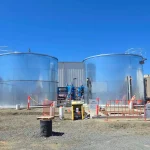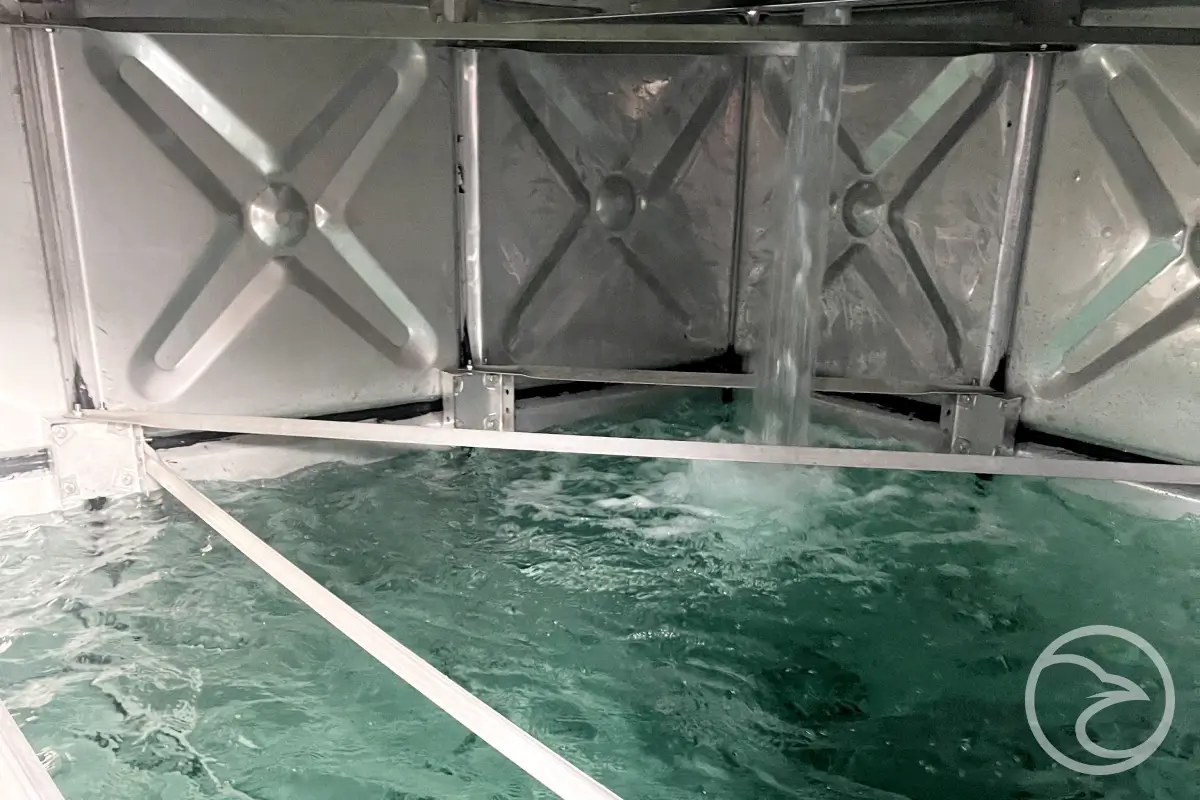
Industrial water storage systems must withstand challenging environmental conditions, including humidity, chemical exposure, and temperature fluctuations. Selecting durable storage infrastructure is essential for maintaining operational reliability and long-term efficiency. This is why many facilities rely on stainless steel corrosion resistant tanks as a dependable storage solution.
Their inherent resistance to corrosion, combined with structural strength and hygienic properties, makes stainless steel tanks widely used across industries.
Why Corrosion Resistance Matters
Corrosion is one of the most common causes of tank deterioration. When storage tanks are exposed to moisture or chemicals, untreated materials may gradually degrade, leading to leaks, contamination risks, and structural issues.
Using stainless steel corrosion resistant tanks helps prevent:
-
Structural weakening
-
Water contamination
-
Increased maintenance costs
-
Unexpected operational downtime
Corrosion resistance is therefore a critical factor in infrastructure planning.
How Stainless Steel Provides Corrosion Protection
Stainless steel contains chromium, which forms a protective oxide layer on the surface. This passive layer prevents rust and protects the material from environmental exposure.
Key benefits of this natural protection include:
-
Resistance to oxidation and rust
-
Reduced maintenance requirements
-
Long service lifespan
-
Reliable performance in demanding environments
These characteristics contribute to the durability of stainless steel corrosion resistant tanks.
Industrial Applications
Stainless steel storage tanks are used in a wide range of industries where durability and cleanliness are essential.
Common applications include:
-
Potable water storage
-
Food and beverage processing
-
Pharmaceutical and chemical industries
-
Fire water storage
-
Industrial process water systems
In these environments, corrosion resistance ensures both safety and operational continuity.
Many industries prioritize durable storage infrastructure solutions within broader maintenance strategies.
Hygienic Advantages
In addition to durability, stainless steel offers hygienic benefits. Its smooth surface reduces bacterial growth and simplifies cleaning procedures.
These properties make stainless steel particularly suitable for:
-
Drinking water storage
-
Sensitive industrial processes
-
Applications requiring strict hygiene standards
As a result, stainless steel corrosion resistant tanks often support both durability and compliance requirements.
Cost Efficiency Over Time
Although stainless steel tanks may involve higher initial investment compared to some alternatives, their long-term value is significant.
Cost advantages include:
-
Reduced maintenance expenses
-
Lower repair frequency
-
Longer service life
-
Improved operational reliability
Lifecycle cost considerations often favor corrosion-resistant storage systems.
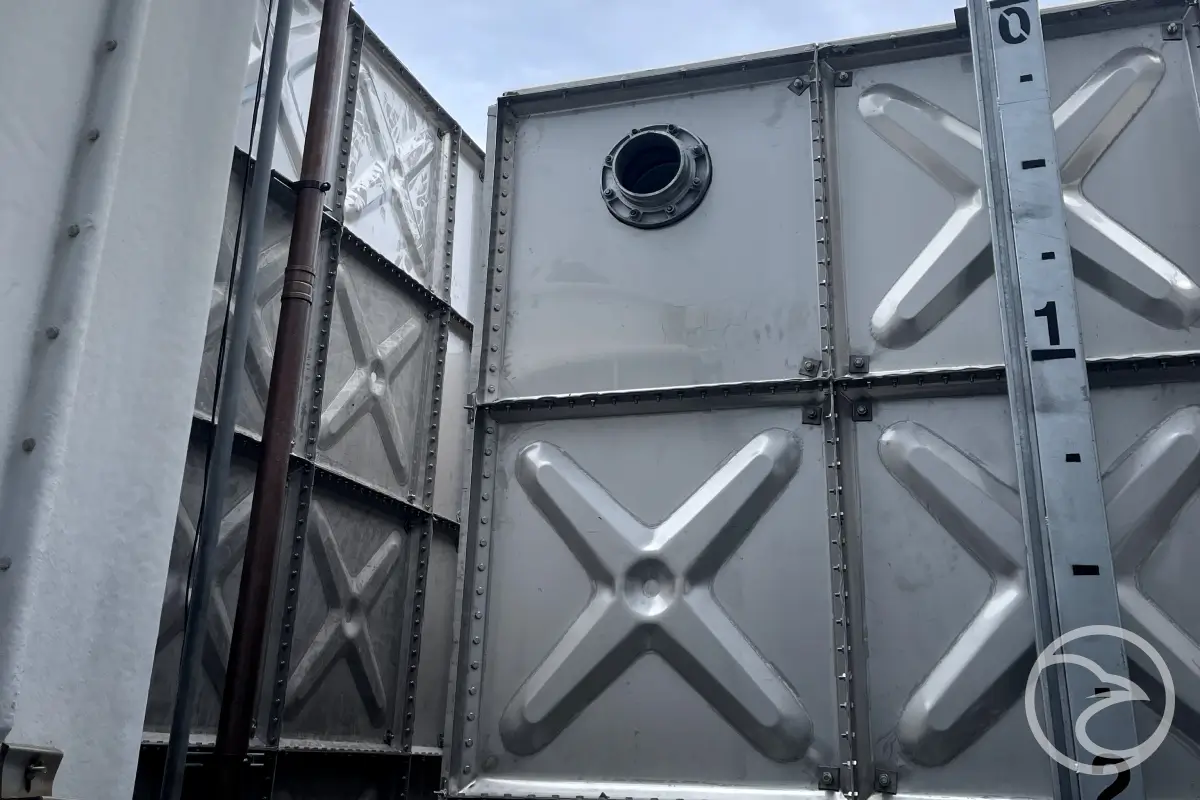
Environmental Sustainability
Durable infrastructure supports sustainability goals. Stainless steel is recyclable, and long-lasting tanks reduce the need for frequent replacement. This contributes to lower material consumption and environmental impact.
Facilities focused on sustainable infrastructure often prioritize corrosion-resistant storage solutions.
Conclusion
Reliable water storage infrastructure is essential for industrial safety and operational efficiency. Thanks to their durability, hygienic properties, and resistance to corrosion, stainless steel corrosion resistant tanks provide a dependable solution for modern industrial applications.
With proper installation and maintenance, these tanks support long-term performance while minimizing operational risks.