Steel water storage systems are widely used across industrial, municipal, agricultural, and commercial environments due to their strength, flexibility, and long service life. However, steel is naturally vulnerable to corrosion when exposed to moisture, oxygen, and environmental contaminants. Protective coatings in steel water storage play a crucial role in preserving structural integrity, maintaining water quality, and extending the operational lifespan of storage infrastructure.
Understanding how these protective coatings function helps infrastructure owners make informed decisions about long-term system performance and durability.
Why Protective Coatings are Important
Water storage tanks operate under conditions that promote corrosion. Constant exposure to moisture, fluctuating temperatures, and environmental pollutants can gradually affect unprotected steel surfaces. Over time, corrosion may compromise structural strength, reduce storage efficiency, and impact water quality.
Protective coatings create a barrier between the steel surface and environmental elements. This barrier slows oxidation processes, limits chemical interaction, and helps maintain stable operating conditions.
Types of Protective Coatings Used in Steel Tanks
Several coating systems are commonly applied in steel water storage infrastructure, each offering different advantages depending on environmental exposure and operational requirements.
Common coating types include:
-
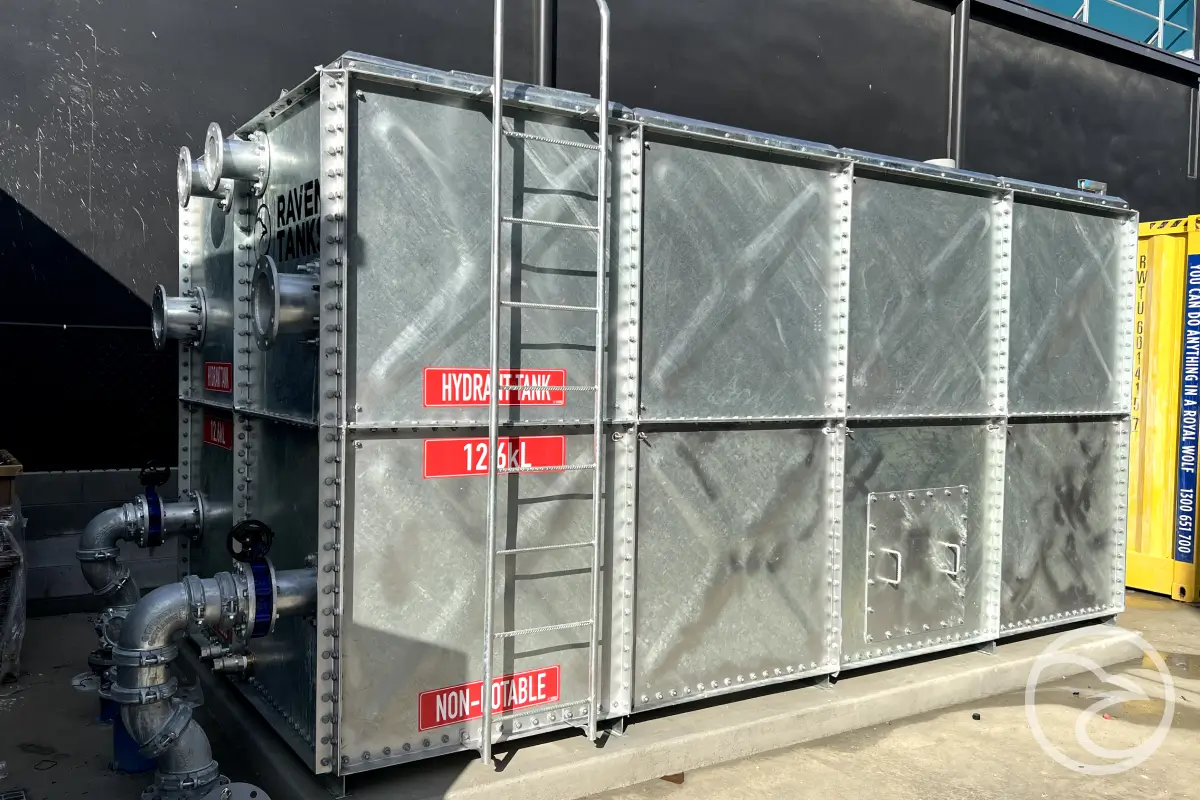
Galvanised coatings that provide sacrificial corrosion protection through zinc layers
-
Epoxy coatings that create strong chemical-resistant barriers
-
Polyurethane coatings offering flexibility and UV resistance
-
Glass-fused-to-steel finishes known for durability in challenging environment
These solutions are often selected based on water chemistry, climate conditions, and expected service life.
Environmental Factors Affecting Coating Performance
Protective coatings perform differently depending on environmental exposure. Coastal locations with salt air, industrial environments with chemical pollutants, and regions with high humidity typically accelerate corrosion processes.
Temperature variation also plays a role. Expansion and contraction cycles may influence coating adhesion over time. Understanding these environmental influences helps infrastructure planners select appropriate protective solutions.
Long-Term Infrastructure Performance
Protective coatings significantly influence the lifecycle of steel storage infrastructure. Well-maintained coatings can extend operational life, reduce maintenance frequency, and support consistent water quality.
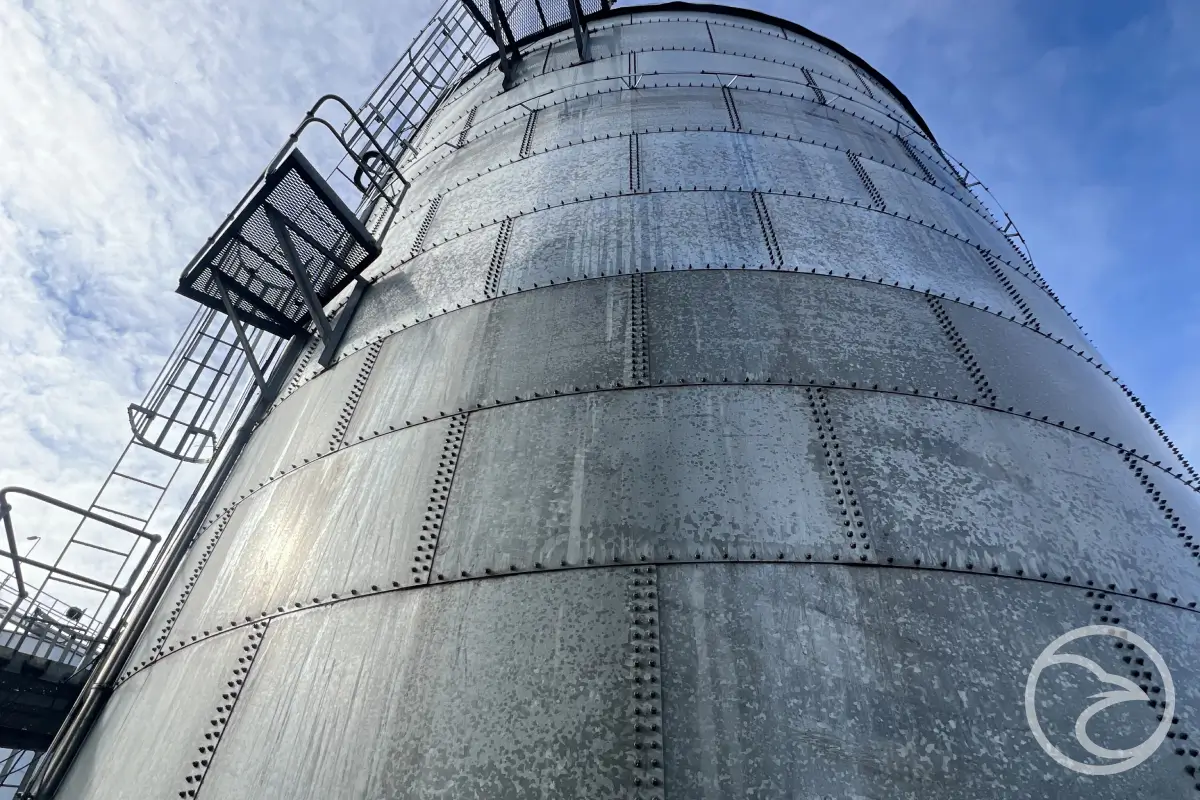
Infrastructure management programs sometimes reference solutions such as Hot Dipped Galvanised Tanks when discussing corrosion protection strategies, as galvanisation provides a durable zinc barrier that supports long-term structural resilience.
However, coating performance always depends on environmental exposure, operational conditions, and ongoing monitoring.
Maintenance Awareness and Monitoring
Even the most durable coatings require periodic observation. Surface wear, minor coating damage, or environmental changes can gradually influence performance. Early awareness allows infrastructure managers to address issues before they affect system reliability.
Typical monitoring considerations include:
-
Coating condition and surface consistency
-
Environmental exposure changes
-
Water quality indicators
-
Structural performance trends
This lifecycle perspective helps maintain infrastructure stability while avoiding unnecessary disruption.
General insights into corrosion protection strategies for steel storage infrastructure can support understanding of coating performance over time.
Supporting Sustainable Water Storage Infrastructure
Protective coatings are a key component of sustainable steel water storage systems. They reduce material degradation, help preserve water quality, and support long-term infrastructure resilience.
By understanding coating technologies and environmental influences, infrastructure stakeholders can maintain reliable water storage conditions while extending asset longevity. A proactive approach to protective coatings ultimately supports safer, more efficient water storage systems over time.