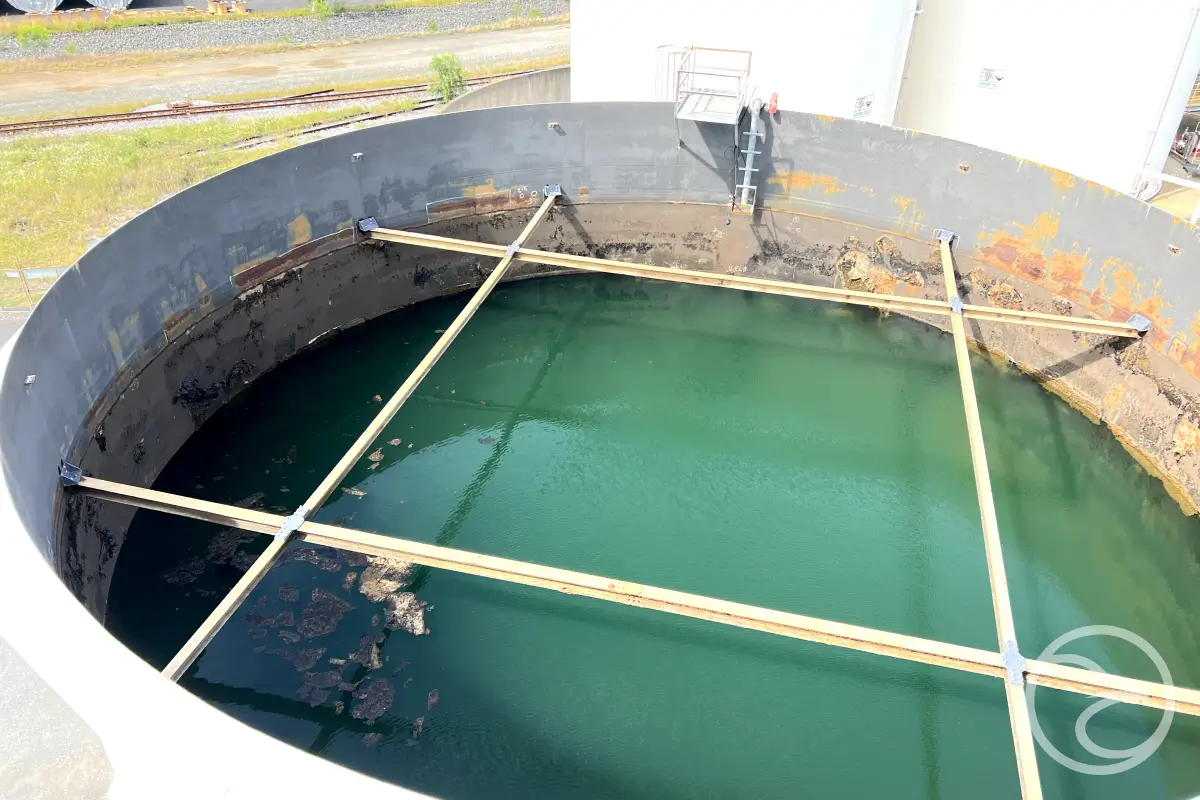
Stormwater detention tanks play a critical role in managing runoff and preventing flooding. Their performance depends on regular inspection and maintenance.
Many facility managers are unsure how often inspections should be carried out. Inconsistent checks can lead to blockages, structural damage, and compliance issues.
This guide explains how often stormwater detention tanks should be inspected and what factors influence the schedule.
Why Inspection Frequency Matters
Stormwater systems operate under changing environmental conditions. Rainfall, debris, and sediment buildup constantly affect performance.
Without regular inspections, small issues can escalate into serious problems. These may include reduced capacity, overflow risks, and system failure.
Routine stormwater detention tank inspections help identify issues early and maintain system efficiency.
General Inspection Frequency Guidelines
Inspection schedules vary depending on system type and usage. However, general recommendations provide a useful starting point.
Typical inspection frequency includes:
- quarterly visual inspections
- annual detailed inspections
- additional checks after major storm events
These intervals help maintain performance and prevent unexpected failures.
Key Factors that Influence Inspection Frequency
1. Rainfall and Weather Conditions
Facilities in high-rainfall areas require more frequent inspections. Heavy storms increase debris accumulation and stress on the system.
After significant rainfall, tanks should be checked for blockages and sediment buildup.
2. Surrounding Environment
The location of the tank affects how quickly debris accumulates. Areas with trees, construction activity, or heavy traffic introduce more contaminants into the system.
These environments require more frequent monitoring.
3. Tank Size and Design
Larger tanks may take longer to fill with debris but are more complex to inspect. Certain designs also trap sediment more easily.
Understanding your system design helps determine the right inspection schedule.
4. System Age
Older tanks are more prone to wear and structural issues. As materials degrade, the risk of cracks, leaks, and blockages increases.
Regular inspections become more critical as the system ages.
5. Regulatory Requirements
Many regions require scheduled inspections for stormwater systems. Compliance standards may define minimum inspection frequency and documentation requirements.
Failing to meet these standards can result in fines and operational risks.
What to Check During an Inspection
A structured inspection process ensures nothing is overlooked.
Key inspection points include:
- sediment and debris levels
- inlet and outlet blockages
- structural integrity of walls and base
- signs of corrosion or damage
- water flow efficiency
Identifying these issues early prevents more serious problems.
Signs that Immediate Inspection is Needed
Even with a regular schedule, some situations require urgent attention.
Watch for:
- slow drainage or pooling water
- unusual odors
- visible debris accumulation
- overflow during rainfall
- structural cracks or damage
These signs indicate that the system may not be functioning properly.

Risks of Infrequent Inspections
Skipping inspections can lead to significant issues.
Potential risks include:
- reduced storage capacity
- increased flooding risk
- environmental contamination
- costly emergency repairs
- regulatory non-compliance
Preventive inspections are far more cost-effective than reactive repairs.
Best Practices for Inspection Planning
To maintain system performance, follow these best practices:
- create a consistent inspection schedule
- document all inspections and findings
- adjust frequency based on conditions
- train staff to recognize early warning signs
- work with qualified inspection professionals
A proactive approach ensures long-term reliability.
Combining Inspection with Maintenance
Inspections should not be treated as a standalone activity. They should be part of a broader maintenance strategy. Cleaning, debris removal, and repairs should follow inspection findings.
This integrated approach improves system efficiency and reduces long-term costs.
Conclusion
Stormwater detention tanks require regular inspections to function effectively. The right inspection frequency depends on environmental conditions, system design, and regulatory requirements.
A structured inspection schedule helps prevent failures, ensures compliance, and protects infrastructure. By staying proactive, facilities can maintain reliable stormwater management and avoid costly disruptions.