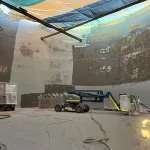
Water tanks rarely fail without warning. Most problems develop slowly over time. Internal damage is especially difficult to detect. It often remains hidden for years.
Understanding why this happens is important. It helps prevent serious system failures.
Why Internal Damage is Hard to Detect
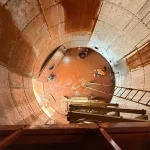
Most tank inspections focus on external surfaces. Internal areas are harder to access and monitor. As a result, early damage is often missed. Issues continue developing without visible signs.
Water tanks usually fail gradually, not suddenly. This makes hidden damage a major risk.
The Role of Slow Deterioration
Internal damage does not appear overnight. It develops through long-term exposure.
Key contributing factors include:
- corrosion
- sediment buildup
- water chemistry changes
- material fatigue
These processes weaken the structure over time. Many changes are not immediately visible.
Corrosion Inside the Tank
Corrosion is one of the main hidden threats. It develops when water, oxygen, and materials interact. Over time, corrosion reduces wall thickness. It also weakens structural integrity.
Early corrosion often has no obvious signs. This allows it to spread unnoticed.

Sediment and Internal Buildup
Sediment accumulates at the bottom of tanks. It creates uneven surfaces and traps contaminants. Over time, buildup supports bacteria and scaling. This accelerates internal damage.
Without cleaning, the problem worsens gradually.
Subtle Changes in Water Quality
Water quality often reflects internal conditions. However, changes can be slow and difficult to notice.
Signs may include:
- slight discoloration
- minor odor changes
- small particles in water
These signals are often ignored early on. They indicate deeper internal issues.
Structural Stress and Material Fatigue
Water tanks experience constant pressure. This creates stress on walls and joints. Over time, materials weaken and develop microcracks. These cracks may not be visible initially.
As stress continues, damage increases.
Lack of Regular Internal Inspections
One of the main reasons damage goes unnoticed is the absence of internal inspections.
Without proper checks:
- corrosion progresses
- coatings degrade
- buildup increases
Neglect is a leading cause of tank failure.
How Hidden Damage Leads to Failure
Internal issues rarely remain isolated. They often lead to larger system problems.
Common outcomes include:
- leaks
- contamination
- structural failure
How Maintenance Prevents Hidden Damage
Regular maintenance reduces the risk of unseen issues. It helps detect problems before they escalate.
A proper tank maintenance plan includes:
- internal inspections
- cleaning
- water quality monitoring
- structural checks
These steps improve long-term reliability.
Practical Ways to Detect Early Damage
Early detection requires a proactive approach.
Monitor Water Changes
Even small changes should be investigated. They often signal internal problems.
Schedule Internal Inspections
Internal checks are essential for accurate assessment. They reveal issues not visible externally.
Track System Performance
Unexpected changes in pressure or flow may indicate internal damage.
Follow Proven Maintenance Practices
Consistent routines help prevent hidden deterioration. Follow water tank maintenance best practices to improve system performance.
The Link Between Hidden Damage and Long-Term Costs
Undetected damage increases repair costs. It also shortens tank lifespan. Early intervention is more cost-effective. It reduces downtime and prevents major failures.
Final Thoughts
Water tank internal damage often develops silently. It remains hidden until serious problems occur. Understanding the causes helps improve prevention. It also supports better maintenance decisions.
Regular inspections are essential. They ensure long-term system reliability.