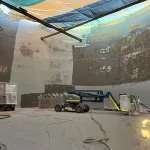
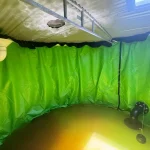
PVC tank liners provide a flexible barrier between stored liquids and the internal tank structure. They are used across many water storage and containment applications. Their flexibility allows liners to fit different tank shapes and configurations.
However, PVC is not suitable for every tank or stored liquid. Material formulation, tank condition, temperature, and operating environment can all affect suitability.
Understanding these factors makes it easier to assess where PVC liners can be used effectively. This guide explains how PVC tank liners work, their main properties, common applications, and important considerations.
What is a PVC Tank Liner?
A PVC tank liner is a flexible membrane installed inside a storage tank. PVC stands for polyvinyl chloride, a thermoplastic polymer used across many industrial and containment applications.
The liner creates a barrier between the stored liquid and the tank structure. This barrier can prevent direct contact between both surfaces. PVC liners can be fabricated to match specific tank dimensions and configurations. They can accommodate corners, walls, floors, outlets, and other internal tank features.
Their flexibility is particularly useful in tanks with shapes that require a fabricated membrane. PVC liners can be installed in different tank structures. However, the tank condition and intended contents must suit the selected liner specification.
The liner itself does not provide the main structural support. Instead, the tank structure supports the stored liquid while the liner performs its containment function.
Explore our PVC tank liners for reliable and flexible containment across a range of water storage applications.
What is PVC Tank Liner Material Made from?
PVC is produced from polyvinyl chloride resin combined with other components. Flexible PVC formulations commonly contain plasticisers. These additives modify the properties of the polymer and provide greater flexibility.
Other components can be incorporated to achieve particular performance characteristics. For this reason, two PVC membranes are not necessarily identical.
Their formulations can provide different levels of flexibility, strength, chemical resistance, and environmental performance. The finished membrane can be manufactured in sheets. These sheets can then be fabricated into a liner matching the tank configuration.
Seams connect individual sections where required.
The complete liner specification may consider:
- PVC formulation
- Membrane thickness
- Mechanical properties
- Chemical compatibility
- Temperature limitations
- Seam construction
- Required certifications
- Intended storage application
The term PVC tank liner therefore describes a material category rather than one universal product. The actual membrane specification remains important for every application.
Key Properties of PVC Tank Liners
PVC has several characteristics that make it useful for tank lining applications. These properties can vary between formulations and liner specifications.
Flexibility and Adaptability
Flexibility is one of the most recognisable properties of PVC liners. A flexible membrane can conform to tank floors, walls, corners, and other internal features. This characteristic can be useful in tanks with complex geometries.
Flexibility can also assist during liner fabrication and installation. However, flexibility should not be confused with unlimited stretch.
A liner must still be correctly measured, fabricated, supported, and installed for the tank.
Water Resistance
PVC does not readily absorb water and can provide an effective barrier for suitable water storage applications. This characteristic explains the widespread use of PVC water tank liners. The liner separates stored water from the structural tank surface.
However, water storage requirements can vary. Potable water, process water, fire water, and agricultural water may each have different requirements.
The selected PVC formulation must suit the intended water application.
Chemical Compatibility
PVC provides resistance to many substances, but compatibility is application-specific. The type of chemical is only one consideration. Concentration, temperature, and exposure duration can also affect material behaviour.
A PVC membrane suitable for water storage may not suit a particular industrial chemical. Chemical compatibility should therefore be checked against the actual operating conditions.
Broad descriptions such as “chemical resistant” should not replace application-specific assessment.
Puncture and Tear Resistance
Tank liners can face mechanical stresses during installation and operation. PVC membranes can provide useful resistance to punctures and tears when correctly specified. However, liner strength does not remove the need for suitable surface preparation.
Sharp edges, protruding fasteners, corrosion, or debris can create localised pressure points. These conditions can increase the risk of liner damage.
The tank surface and liner specification should therefore be considered together.
Ability to Fit Different Tank Shapes
Storage tanks are not always simple cylinders or rectangles. Some include columns, outlets, internal corners, access points, and other structural features. Flexible PVC liners for tanks can be fabricated around many of these configurations.
Accurate measurements remain essential. The liner should correspond with the tank dimensions rather than relying on excessive stretching during installation.
Common Applications for PVC Tank Liners
PVC liners can support several liquid storage applications. Suitability depends on the selected membrane and actual operating conditions.
Water Storage Tanks
Water storage is one of the primary applications associated with PVC liners. PVC water tank liners can provide an internal containment barrier within suitable tanks. Applications can include general water storage, process water, and other non-aggressive liquids.
The intended water use should be established before selecting a liner. Potable water applications may require materials with appropriate approvals for drinking water contact.
Water treatment chemicals should also be considered when assessing compatibility.
Fire Water Tanks
Fire water tanks maintain a dedicated supply for fire protection systems. These tanks may remain filled continuously for extended periods. A PVC liner can provide a containment barrier where the material meets the application’s requirements.
For a commercial fire water tank liner, long-term water contact is only one consideration. Tank design, liner specification, fittings, and applicable requirements must also be assessed.
Existing fire tanks may require inspection and preparation before a new liner is installed.
Panel Tanks
Panel tanks are assembled from individual structural panels. Their internal geometry creates specific lining considerations. A flexible liner can form a continuous containment barrier inside the assembled structure.
The liner must fit the overall dimensions and accommodate internal tank features. Connections, corners, outlets, and other penetrations require careful consideration during fabrication.
Panel condition also matters. Damaged surfaces or exposed sharp areas can affect the liner after installation.
Agricultural Water Storage
Agricultural tanks can store irrigation water, rainwater, and other water supplies. PVC liners may suit selected agricultural storage applications. Operating conditions can vary considerably between sites.
Outdoor temperatures, UV exposure, water treatment, and tank condition may influence liner requirements. The intended liquid should always be identified before choosing the membrane.
Commercial and Industrial Storage
Commercial and industrial tanks can hold many different liquids. PVC may be suitable for selected applications where its properties match the storage conditions. These applications require careful compatibility assessment.
The exact liquid, concentration, operating temperature, and exposure duration should be considered. Tank design and installation conditions are equally important.
Why is PVC Used for Water Tank Liners?
PVC combines several properties that can be useful for water storage tanks. One important characteristic is flexibility. The membrane can be fabricated into shapes that correspond with different tank dimensions and internal configurations.
PVC also provides a physical barrier between water and the structural tank surface. This barrier can support containment without requiring the tank structure itself to serve as the liner material. Fabrication is another useful characteristic.
Individual membrane sections can be joined to create liners for larger or more complex tanks. PVC liners can also accommodate various fittings and penetrations when correctly designed. These characteristics make PVC water tank liners relevant across many water containment applications.
However, the intended use of the water still matters. A liner for general water storage does not automatically meet potable water requirements. Likewise, unusual temperatures or chemical additives may require additional compatibility checks.
The tank and liner should therefore be considered as one containment system.
How are PVC Tank Liners Made to Fit Different Tanks?
A PVC liner should correspond closely with the tank it will line. This requires more than knowing the tank’s nominal capacity.
Tank dimensions and internal geometry influence the finished liner design.
Tank Dimensions
Accurate length, width, height, or diameter measurements provide the foundation for liner fabrication. Nominal tank dimensions may not always represent the exact internal space.
Existing tanks can also have variations caused by their construction or condition. Measurements should therefore reflect the actual tank configuration.
Corners and Internal Geometry
Corners affect how a flexible liner sits within the tank. Rectangular, circular, and irregular tanks each present different fabrication requirements.
Internal columns or structural supports can add further complexity. These features should be considered before the liner is manufactured.
Outlets and Penetrations
Tanks often contain outlets, drains, pipe connections, and other penetrations. The liner system must accommodate these features without compromising containment.
Their size and position should therefore be identified accurately.
Liner Seams
Large liners may require multiple membrane sections to be joined. Seam construction is an important part of the complete liner system.
The appropriate fabrication method depends on the membrane specification and liner design. Seams must remain suitable for the expected operating conditions.
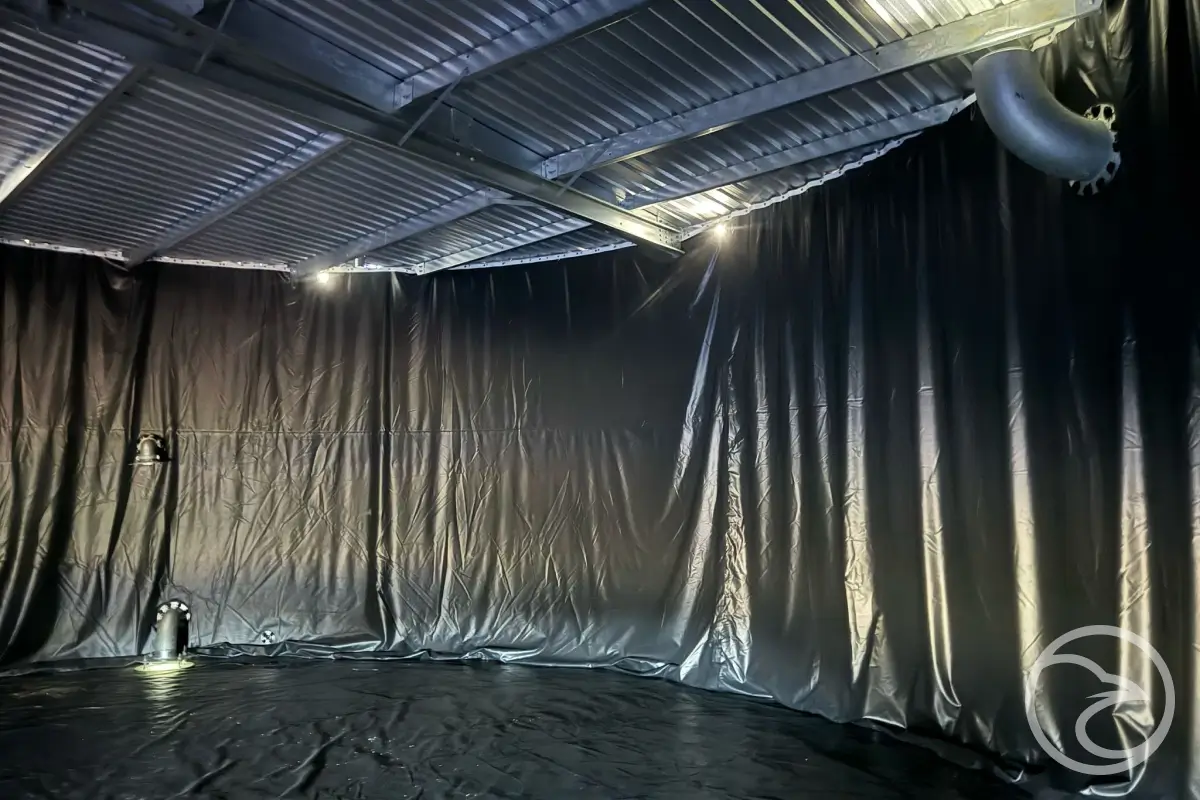
Does PVC Tank Liner Thickness Matter?
Thickness is an important PVC liner specification. However, it should not be used as the only measure of quality or durability.
Different applications can require different membrane specifications.
Thickness and Mechanical Performance
Membrane thickness can influence puncture resistance and other mechanical characteristics. A thicker membrane may provide additional material between the liquid and tank substrate.
However, thickness alone does not determine overall performance. PVC formulation and reinforcement can also affect mechanical properties.
Tank Conditions
The condition of the tank can influence liner requirements. Smooth and properly prepared surfaces create different conditions from rough or deteriorated substrates.
Existing damage should be addressed before liner installation. Simply selecting a thicker liner does not correct unsuitable tank surfaces.
Stored Liquid
The liquid inside the tank can influence the required membrane specification. Chemical compatibility remains important regardless of thickness.
A thicker PVC membrane is not automatically compatible with an unsuitable chemical. Material formulation must still match the stored contents.
Installation Environment
Installation conditions can also influence liner selection. Tank geometry, access, temperature, and surface conditions may affect how the membrane is handled.
These factors should be considered alongside thickness.
What Affects the Lifespan of a PVC Tank Liner?
There is no universal service life for every PVC liner. Actual performance depends on the material specification and operating environment.
Several factors can influence liner longevity.
Stored Liquid
Long-term contact with the stored liquid can affect membrane performance. Water applications generally create different conditions from chemical storage.
Changes in the stored contents should also be considered during the tank’s service life.
Temperature
Temperature can affect polymer behaviour. Both liquid temperature and surrounding conditions may influence the liner.
Repeated or extreme temperature changes can create different demands from stable conditions. The selected PVC formulation should suit the expected temperature range.
UV Exposure
Internal liners are often protected from direct sunlight. However, some liner areas may receive UV exposure around openings or exposed sections.
Prolonged ultraviolet exposure can affect some polymer materials. UV requirements should therefore reflect the actual tank environment.
Tank Surface Condition
The substrate beneath the liner can significantly affect long-term performance. Sharp edges and rough surfaces can create concentrated mechanical stress.
Corrosion can also change surface conditions over time. Appropriate tank preparation helps provide a suitable surface for the liner.
Installation Quality
Correct installation is important for any flexible liner system. Poor positioning can create unnecessary folds, tension, or stress around tank features.
Fittings and penetrations also require appropriate detailing. The liner should sit correctly within the tank without depending on excessive stretching.
Mechanical Damage
Maintenance activities and equipment can accidentally damage a liner. Sharp tools or objects should be kept away from exposed membrane surfaces.
Tank access procedures should account for the presence of the liner. Preventing mechanical damage can support longer service life.
What Should be Checked Before Installing a PVC Tank Liner?
The condition of the tank should be understood before liner installation begins. Several areas deserve particular attention.
Tank Condition
The tank should be assessed for visible deterioration or structural concerns. A liner should not be treated as a solution for unresolved structural problems.
Any relevant tank defects should be identified first.
Surface Preparation
The liner requires a suitable supporting surface. Sharp projections, debris, rough edges, and other potential hazards should be addressed.
Surface preparation requirements depend on the tank and liner system.
Tank Dimensions
Accurate measurements help ensure the fabricated liner fits correctly. Tank length, width, height, diameter, and internal features may all be relevant.
Measurements should represent the actual internal tank configuration.
Existing Corrosion or Damage
Steel tanks can develop corrosion beneath or around existing lining systems. Other tank materials may experience different forms of deterioration.
These conditions should be assessed rather than simply covered with a new liner.
Fittings and Penetrations
Outlets, pipes, drains, and other penetrations require careful planning. Their dimensions and positions influence liner fabrication and installation.
They should be identified before the liner is manufactured.
Intended Tank Contents
The stored liquid should always be confirmed. This information supports material compatibility assessment and specification.
Future changes in tank use may require a new compatibility review.
Are PVC Tank Liners Suitable for Every Tank?
PVC is a versatile liner material, but it is not a universal solution. Some applications may require different membrane properties. Chemical exposure can make another material more suitable. High temperatures may also affect the available options.
Tank geometry and installation conditions can influence the decision. The required approvals or certifications may further narrow suitable materials. For these reasons, liner selection should focus on the complete application.
The tank, stored liquid, environment, and membrane specification should all be considered together. Other tank liner materials, including different polyethylene membranes, can provide alternative characteristics for specific applications.
Comparing these properties helps identify which material family suits the intended storage conditions.
Understanding PVC Tank Liners
PVC tank liners provide a flexible containment option for many water and liquid storage applications. Their adaptability allows fabricated liners to accommodate different tank dimensions, shapes, and internal features.
However, PVC should not be selected based on flexibility alone. Material formulation, chemical compatibility, thickness, temperature, and tank condition all influence suitability.
The stored liquid should be identified before selecting a membrane. The existing tank should also be assessed for surface damage, corrosion, and other installation considerations.
These factors are particularly important for water tanks, fire water tanks, panel tanks, and commercial storage systems. Understanding the complete operating environment helps determine whether a PVC liner is appropriate for a particular tank.