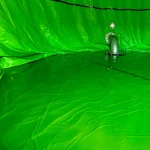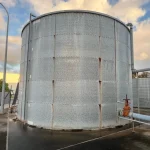
Water tank liners provide an internal containment barrier that supports reliable water storage. However, their performance can gradually change throughout years of operation.
Water tank liner lifespan depends on several interconnected factors. Material composition, installation quality, water chemistry and operating conditions all influence membrane durability.
Even similar lining systems can experience different rates of deterioration. These differences often reflect variations in storage environments and mechanical demands.
Understanding how tank liners age helps facility owners recognise potential problems before significant leakage occurs. This article examines the factors affecting liner longevity, common deterioration mechanisms and practical approaches to extending service life.
What Determines the Lifespan of a Water Tank Liner?
Water tank liner lifespan refers to the period during which a membrane maintains its intended containment function. A liner reaches the end of its functional life when it can no longer provide acceptable containment performance.
However, membrane age alone does not determine its remaining service life.
Several factors influence how long a lining system remains functional:
-
Original membrane quality.
-
Material formulation and reinforcement.
-
Water chemistry and temperature.
-
Installation and seam quality.
-
Frequency of tank filling and emptying.
-
Condition of internal tank surfaces.
-
Exposure to environmental stress.
-
Inspection and maintenance practices.
These factors can interact throughout the operating life of a tank. For example, a chemically compatible membrane may deteriorate prematurely when exposed to repeated mechanical stress.
Understanding these interactions provides a more accurate assessment of liner durability.
How Long do Water Tank Liners Typically Last?
There is no universal lifespan for water tank liners. Their expected service life depends on the membrane specification, storage application and actual operating conditions.
A properly selected and installed liner may remain functional for many years. However, unsuitable operating conditions can significantly shorten its service life.
Two identical membranes installed in different tanks may develop signs of deterioration at different times. For example, a liner storing untreated water may experience different ageing mechanisms from one exposed to treatment chemicals.
Research into geomembrane durability also demonstrates the importance of temperature, material formulation and exposure conditions. Laboratory lifespan predictions should not be interpreted as guaranteed operating periods for individual water tanks.
An accurate lifespan assessment should consider:
-
Membrane manufacturer specifications.
-
Documented installation conditions.
-
Historical operating temperatures.
-
Water treatment practices.
-
Previous inspection findings.
-
Changes in membrane condition.
-
Recorded leakage or repair incidents.
These details provide a stronger basis for assessing remaining service life than installation age alone.
Design Life vs Actual Service Life of Tank Liners
Design life, actual service life and warranty periods represent different concepts. Understanding these distinctions helps prevent unrealistic expectations about water tank liner durability.
| Term | Meaning |
|---|---|
| Design life | Intended operating period under specified design conditions. |
| Expected service life | Estimated period during which the liner maintains acceptable performance. |
| Actual service life | Period during which the installed liner remains functional. |
| Warranty period | Defined period of coverage under specific contractual conditions. |
| Remaining service life | Estimated operating period before performance becomes unacceptable. |
A warranty does not necessarily represent the maximum lifespan of a membrane. Similarly, exceeding the original design life does not automatically indicate liner failure.
The physical condition and containment performance remain important assessment criteria.
How Different Tank Liner Materials Age Over Time
Different polymer materials experience different ageing processes. Their long-term behaviour depends on molecular structure, additives, reinforcement and environmental exposure. Understanding water tank liner materials provides useful context when evaluating membrane longevity.
PVC Liner Ageing
Flexible PVC membranes rely on specific formulations to maintain their physical characteristics. Over time, changes involving plasticisers and other additives may influence membrane flexibility.
Certain exposure conditions can contribute to hardening, reduced elongation or increased susceptibility to cracking. Research on plasticised PVC geomembranes identifies water temperature, plasticiser content and thickness as important durability factors.
However, ageing rates vary considerably between individual PVC formulations.
Polyethylene Liner Ageing
Polyethylene membranes can experience gradual oxidative degradation. Protective additives help delay oxidation and maintain material properties during exposure.
As these additives become depleted, the membrane may become more vulnerable to chemical ageing and mechanical deterioration. Research into HDPE geomembranes demonstrates that temperature and exposure conditions influence these processes.
Reinforced Membrane Ageing
Reinforced membranes combine polymer layers with supporting reinforcement. Their long-term performance depends on both components maintaining suitable physical characteristics.
Damage to the waterproof layer may compromise containment even when the reinforcement remains functional. Localised stress, abrasion and deterioration around seams can also affect durability.
Key Factors Affecting Water Tank Liner Lifespan
Water tank liner deterioration rarely results from one isolated factor. Several operating and environmental conditions can influence membrane performance simultaneously.
Water Chemistry and Chemical Exposure
Stored water can contain dissolved minerals, disinfectants and other treatment chemicals. Repeated exposure to incompatible substances may gradually change membrane properties.
Chemical compatibility concerns can become more significant when concentrations or operating temperatures increase. Changes in water treatment practices should therefore consider the original membrane specification.
Even a previously suitable lining system may experience different conditions following operational changes.
Operating Temperature
Temperature influences both membrane behaviour and chemical ageing. Prolonged exposure to elevated temperatures can accelerate certain degradation processes.
Temperature fluctuations may also introduce repeated expansion and contraction. Research confirms that higher temperatures can reduce predicted service life for specific polyethylene geomembranes.
Monitoring unusual temperature changes can help identify conditions outside the original design assumptions.
Filling and Emptying Cycles
Water levels influence pressure distribution within storage tanks. Frequent filling and emptying can introduce repeated mechanical demands around membrane connections and unsupported areas.
Changes in water levels may also influence how flexible membranes move against supporting surfaces. Poorly controlled movement can increase localised stress.
The importance of operating cycles depends on tank geometry and lining system design.
Mechanical Stress and Abrasion
Mechanical damage can significantly reduce water tank liner lifespan. Potential sources include sharp surfaces, internal components, trapped debris and unsuitable cleaning equipment.
Repeated contact with rough surfaces may gradually damage membrane material. Localised abrasion can remain difficult to detect until visible deterioration or leakage develops.
Areas surrounding penetrations, supports and structural irregularities deserve particular attention.
UV and Environmental Exposure
Ultraviolet radiation can contribute to polymer degradation in exposed membrane sections. Fully enclosed tanks generally provide greater protection from direct sunlight.
However, exposed membrane edges and uncovered sections may experience different environmental conditions. Outdoor temperature variations and environmental exposure can also influence long-term performance.
Installation and Seam Quality
Installation quality establishes the initial conditions for membrane performance. Poorly formed seams, unsuitable attachment arrangements and excessive membrane tension can introduce weaknesses.
These conditions may remain unnoticed during early operation. Repeated mechanical loading can gradually increase stress around vulnerable areas.
The durability of water tank liners therefore depends partly on installation quality and appropriate system design.
Condition of the Supporting Tank Structure
A liner depends on suitable structural support throughout its operating life. Corrosion, deformation and movement can gradually change the conditions beneath the membrane.
Structural deterioration may introduce rough surfaces or unsupported areas. These changes can increase mechanical stress even when the membrane material remains chemically stable.
Monitoring the supporting structure is therefore important for long-term liner performance.
How Water Tank Liners Deteriorate Over Time
Liner deterioration can develop through chemical, physical and mechanical processes. These mechanisms do not necessarily occur in a predictable sequence.
Some membranes experience gradual changes, while others develop localised damage without significant general ageing.
| Deterioration Mechanism | Potential Effect | Possible Consequence |
|---|---|---|
| Material hardening | Reduced membrane flexibility | Increased cracking susceptibility |
| Oxidative degradation | Changes in polymer properties | Reduced mechanical performance |
| Chemical degradation | Changes in material composition | Reduced material stability |
| Abrasion | Progressive surface damage | Localised membrane thinning |
| Mechanical fatigue | Repeated stress accumulation | Damage around vulnerable areas |
| Seam deterioration | Reduced joint integrity | Potential leakage |
| Stress cracking | Development of material cracks | Localised containment failure |
Several mechanisms may affect the same membrane simultaneously. Identifying the underlying deterioration process helps explain why certain liners experience shorter operating lives.
Early Warning Signs of Tank Liner Deterioration
Recognising early deterioration can support more effective maintenance planning. Not every visible change indicates immediate containment failure. However, developing changes should be assessed against previous inspection findings.
Potential warning signs include:
-
Reduced membrane flexibility.
-
Visible surface cracking.
-
Unusual membrane deformation.
-
Changes in surface texture.
-
Localised abrasion.
-
Separation around seams.
-
Damage near pipe penetrations.
-
Unexplained water loss.
-
Recurring leakage in previously repaired areas.
-
Unusual moisture around the tank structure.
Discolouration alone does not necessarily indicate membrane failure. Similarly, wrinkles may reflect installation characteristics rather than material deterioration.
Changes should be evaluated within the context of membrane condition, installation records and operating history.
How Storage Applications Affect Tank Liner Lifespan
Different water storage applications create different demands on internal lining systems. Understanding these differences helps explain variations in expected membrane longevity.
Fire Water Tanks
Fire water tanks commonly maintain dedicated water reserves for extended periods. Their liners may experience prolonged immersion with relatively limited filling and emptying cycles.
However, sediment accumulation and hidden structural deterioration can affect internal conditions. Long periods of apparently stable operation do not eliminate the need for appropriate inspections.
Potable Water Tanks
Drinking water storage introduces specific water quality and material compatibility requirements. Disinfection practices and treatment chemical concentrations can influence membrane exposure.
Cleaning procedures must also remain suitable for the lining material. Changes in membrane condition should be assessed alongside applicable water quality requirements.
Industrial Water Tanks
Industrial storage environments may involve changing temperatures, water treatment practices and frequent operating cycles. These conditions can increase chemical and mechanical demands.
Unexpected changes in operational processes may introduce conditions beyond the original membrane specification. Maintaining accurate operating records can support future condition assessments.
Agricultural Water Tanks
Agricultural water storage may involve seasonal changes in water levels and environmental conditions. Sediment, organic matter and fluctuating temperatures can influence internal storage conditions.
Outdoor installations may also experience greater environmental exposure. The resulting effects depend on tank construction and membrane protection.
How to Extend the Service Life of a Water Tank Liner
Extending water tank liner lifespan involves reducing unnecessary chemical, environmental and mechanical stress. Preventive practices cannot eliminate material ageing. However, they may reduce the risk of avoidable premature deterioration.
Maintain Suitable Water Chemistry
Water chemistry should remain compatible with the installed membrane. Changes in treatment chemicals or concentrations require appropriate evaluation.
Monitoring water conditions can help identify potentially harmful exposure before noticeable deterioration develops.
Use Compatible Cleaning Methods
Cleaning equipment and chemicals must be suitable for the membrane material. Aggressive mechanical cleaning may damage internal lining surfaces.
Chemical cleaning agents can also introduce compatibility concerns. Cleaning procedures should follow relevant membrane specifications and tank maintenance requirements.
Monitor Operating Conditions
Changes in water temperature, filling frequency and storage conditions may influence membrane performance. Recording these changes helps identify potential sources of accelerated deterioration.
Historical information also supports more informed condition assessments.
Maintain the Supporting Tank Structure
The structural tank condition directly influences the environment surrounding the liner. Corrosion, deformation and damaged internal components can introduce additional mechanical risks.
Effective water tank maintenance helps identify structural problems that may affect lining performance.
Conduct Regular Condition Assessments
Appropriate inspections help identify developing membrane changes before significant containment problems occur. Inspection requirements depend on tank function, accessibility and applicable maintenance obligations.
Comparing findings across multiple inspections can reveal gradual deterioration patterns.
Maintain Accurate Maintenance Records
Maintenance records provide valuable information about membrane performance throughout its service life. Useful records include installation details, inspection reports, operating changes and previous repairs.
This information supports more consistent assessments of developing problems.
How to Assess the Remaining Lifespan of a Water Tank Liner
Estimating remaining service life requires more than identifying the original installation date. A condition-based assessment considers both historical information and current membrane performance.
Several assessment areas can provide useful information.
| Assessment Area | Information Provided |
|---|---|
| Installation records | Original membrane specification and installation conditions |
| Operating history | Previous chemical, temperature and mechanical exposure |
| Visual condition | Observable changes in membrane appearance |
| Seam condition | Potential deterioration around membrane connections |
| Structural assessment | Changes affecting membrane support |
| Leakage history | Previous or recurring containment problems |
| Material testing | Changes in selected physical or mechanical properties |
Material testing may be appropriate when visual assessments cannot adequately establish membrane condition. However, testing methods must suit the installed membrane and assessment objectives.
Remaining service life estimates should account for uncertainty and future operating conditions.
When does a Water Tank Liner Reach the End of its Service Life?
A liner approaches the end of its functional life when its condition no longer supports acceptable containment performance. This assessment depends on the extent, severity and distribution of deterioration.
Potential indicators include widespread cracking, significant flexibility loss and recurring containment problems. Repeated damage may also indicate broader compatibility or structural issues.
An isolated puncture does not necessarily mean the entire membrane has reached the end of its service life. However, widespread material degradation may reduce the effectiveness of localised repairs.
Ultimately, decisions should reflect membrane condition, tank requirements and the risks associated with continued operation.
Frequently Asked Questions
Does Continuous Water Exposure Shorten Tank Liner Lifespan?
Continuous immersion can influence membrane ageing. However, the effects depend on material compatibility, water chemistry and operating temperature.
Do Thicker Tank Liners Last Longer?
Greater thickness may improve resistance to certain forms of damage. However, thickness alone cannot determine overall membrane durability.
What Causes Premature Water Tank Liner Failure?
Premature failure may result from incompatible chemicals, mechanical damage, installation defects, structural movement or unsuitable operating conditions.
Can a Tank Liner Deteriorate without Leaking?
Yes. Changes in flexibility, mechanical properties and seam condition may develop before visible leakage occurs.
Does Frequent Tank Cleaning Reduce Liner Lifespan?
Compatible cleaning methods can help maintain suitable storage conditions. However, aggressive cleaning equipment or unsuitable chemicals may accelerate membrane deterioration.
Can an Old Tank Liner Remain Functional?
Yes. An older membrane may remain functional when its condition and containment performance remain acceptable. Age alone does not establish the need for replacement.
Is Tank Liner Lifespan the Same as Warranty Coverage?
No. Warranty coverage represents contractual conditions rather than the complete expected service life of a membrane.
Can Regular Maintenance Extend Water Tank Liner Lifespan?
Appropriate maintenance can reduce avoidable damage and help identify developing problems. However, it cannot completely prevent natural material ageing.
Final Considerations on Water Tank Liner Longevity
Water tank liner lifespan reflects the interaction between material characteristics, installation quality and long-term operating conditions. Membrane deterioration can develop gradually, even when a storage system continues functioning without visible leakage.
Understanding ageing mechanisms helps explain why similar lining systems may experience different service lives. Regular condition assessments, compatible cleaning methods and controlled operating conditions can reduce unnecessary membrane deterioration.
Ultimately, evaluating actual membrane condition provides a more reliable approach than relying exclusively on installation age. A condition-based approach supports informed maintenance decisions and long-term water containment reliability.