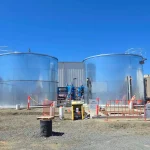
Water storage solutions are essential for industrial facilities, commercial buildings, agriculture, and municipal infrastructure. Among modern storage options, composite water tanks have gained increasing attention due to their durability, adaptability, and resistance to environmental stress. Understanding composite water tank advantages helps organizations choose reliable storage systems that support long-term performance and operational safety.
Strong Corrosion Resistance
One of the primary composite water tank advantages is excellent resistance to corrosion. Traditional metal tanks may be vulnerable to rust when exposed to moisture, chemicals, or fluctuating environmental conditions. Composite materials, particularly those reinforced with fibers, offer natural resistance to corrosion and chemical interaction.
This makes composite tanks especially suitable for environments where humidity, coastal conditions, or stored water chemistry could otherwise accelerate material deterioration.
Lightweight Yet Structurally Durable
Composite tanks combine strength with relatively low weight. Compared to concrete or steel alternatives, composite materials often allow easier handling, transportation, and installation without sacrificing structural stability.
Despite their lighter weight, composite tanks can withstand internal pressure, environmental exposure, and operational demands effectively. This balance between durability and weight contributes to efficient long-term infrastructure planning.
Reduced Maintenance Demands
Another significant benefit is the reduced need for intensive maintenance. Because composite materials resist corrosion, weathering, and many chemical effects, they often require less frequent intervention compared to traditional tank materials.
This does not eliminate the need for monitoring, but it can support more predictable operational schedules and reduced maintenance-related disruptions.
Design Flexibility and Adaptability
Composite manufacturing techniques allow flexible design options. Tanks can be produced in modular configurations, various shapes, and different capacities to suit specific site requirements.
This adaptability makes composite tanks suitable for a wide range of applications, from agricultural water storage to industrial process systems and commercial infrastructure projects.
Thermal and Environmental Stability
Temperature fluctuations can affect tank materials over time. Composite tanks typically offer good thermal stability, reducing risks associated with expansion, contraction, or structural stress caused by changing environmental conditions.
This stability contributes to consistent performance in regions with significant temperature variation.
Hygienic and Water Quality Benefits
For potable or process water storage, material compatibility is important. Many composite tanks are designed to maintain water quality by resisting biological growth and minimizing contamination risks.
Smooth internal surfaces can help reduce sediment buildup and support easier cleaning processes, contributing to reliable water storage conditions.

Long-Term Cost Efficiency
While initial costs may vary depending on tank size and specifications, composite materials often provide long-term cost benefits. Durability, corrosion resistance, and reduced maintenance needs contribute to extended service life and predictable operating expenses. Organizations considering lifecycle performance often view composite tanks as a stable infrastructure investment.
In some cases, advanced composite storage systems help improve water storage reliability.
Supporting Modern Water Storage Needs
As infrastructure demands evolve, storage solutions must adapt to environmental, operational, and safety requirements. Composite water tank advantages — including durability, flexibility, and environmental resilience — make them increasingly relevant in modern storage planning.
When properly selected and monitored, composite tanks support reliable water storage while helping facilities manage risk, operational efficiency, and long-term infrastructure sustainability.