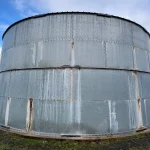
Large water storage tanks installed in coastal environments encounter a unique set of conditions that can significantly influence their performance, structural integrity, and long-term durability. While water tanks are engineered to handle pressure, environmental exposure, and operational demands, coastal locations introduce additional stress factors that require careful planning and ongoing evaluation. Understanding coastal water tank challenges helps asset owners anticipate risks, strengthen preventative maintenance strategies, and extend the service life of their storage systems.
Coastal settings—whether near the open ocean, bays, or estuaries—present consistent atmospheric and environmental conditions that differ substantially from inland locations.
1. High Salt Concentration and Accelerated Corrosion
Salt-laden air is the most notable threat in coastal environments. Salt particles carried by wind settle on tank surfaces and accelerate corrosion processes. Steel tanks are particularly vulnerable, but even coated systems or alternative materials can be affected by:
-
chemical breakdown of protective coatings
-
pitting corrosion
-
weakened fasteners, bolts, and external hardware
-
increased internal corrosion if salt infiltrates through damaged areas
Once corrosion begins, it can spread rapidly, compromising both structural strength and water quality.
2. Strong Coastal Winds and Structural Stress
Coastal zones often experience extreme wind conditions, especially during storm seasons. Large, tall, or elevated tanks face increased lateral pressure and ongoing vibration. Over time, this exposure may result in:
-
fatigue of structural supports
-
deformation of tank walls
-
roof lifting or distortion
-
strain on anchor systems
Wind-driven debris can also strike tank exteriors, causing surface damage or weakening protective layers.
3. Temperature and Humidity Fluctuations
High humidity combined with temperature swings creates condensation both inside and outside the tank. Moisture accumulation contributes to:
-
corrosion under insulation
-
internal moisture films that accelerate microbial growth
-
challenges maintaining coating adhesion
-
stress on gaskets and seals
Coastal humidity also increases the likelihood of blistering or bubbling in coatings, reducing their protective effectiveness.
4. UV Intensity and Environmental Exposure
Many coastal areas receive strong sunlight, with UV exposure contributing to faster material degradation. UV-related impacts include:
-
fading or weakening of polymer tank materials
-
cracking of external sealants
-
reduced elasticity in liners and gaskets
-
surface embrittlement over time
Even tanks designed for harsh conditions require UV-resistant coatings and periodic inspections when placed near the coast.

5. Foundation Instability Due to Coastal Soil Conditions
Coastal soils often contain high moisture levels, loose sand, or areas prone to shifting. These conditions threaten tank stability by causing:
-
uneven settlement
-
reduced load-bearing support
-
erosion around foundations
-
increased pressure on tank bases
Foundations must be engineered with coastal soil characteristics in mind to prevent long-term structural issues.
6. Increased Risk of Biofouling and Microbial Growth
Warm, humid coastal environments promote biological growth in and around tanks. Common concerns include:
-
algae formation
-
biofilm development inside tanks
-
microbial-induced corrosion
-
contamination of stored water
Biofouling can reduce system efficiency, affect water quality, and create additional maintenance challenges.
7. Storm Surges, Flooding, and Water Ingress
Tanks located near coastlines may face storm surges or high tidal flooding. These events increase the risk of:
-
water ingress around access points
-
damage to electrical components
-
contamination from external water sources
-
submerged foundations that weaken structural support
Tanks in low-lying areas must include engineered drainage systems and elevation strategies to reduce exposure.
8. Abrasion from Sand and Coastal Particles
Wind-driven sand can cause abrasive wear on tank surfaces, particularly:
-
polymer tanks
-
coatings and paints
-
external fittings and valves
-
thin-gauge steel components
Over time, abrasion removes protective layers and accelerates material degradation.
9. Maintenance Challenges Unique to Coastal Sites
Because coastal conditions increase wear, facilities must adopt more frequent monitoring and maintenance schedules. Key challenges include:
-
coating failures requiring earlier renewal
-
faster corrosion cycles
-
more frequent liner inspections
-
increased cleaning needs due to salt and biological growth
-
shortened lifespan of external components
Understanding coastal water tank challenges helps maintenance teams prioritise inspections and replace vulnerable components before major issues arise.
Many of these coastal challenges can be mitigated through consistent system care practices, which help improve long-term performance in harsh environments.
Conclusion
Large water tanks operating in coastal environments face a unique combination of challenges—including salt exposure, high winds, humidity, UV intensity, soil instability, and biological activity. These environmental pressures accelerate wear, reduce structural resilience, and increase the need for proactive maintenance. By recognising the specific coastal water tank challenges affecting their installations, asset owners can plan more effective inspections, choose suitable materials, and implement protective measures that enhance long-term performance.