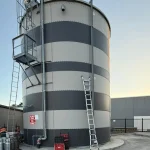
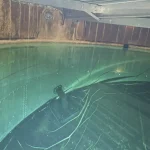
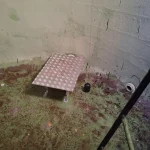
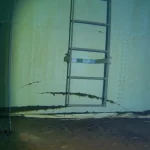
Stormwater systems are designed to manage runoff reliably over long service periods, often with minimal direct intervention once they are in place. While their functional role is well defined at the design stage, stormwater system performance is not static. Instead, it evolves gradually as real operating conditions begin to differ from original assumptions.
These changes rarely appear suddenly. In most cases, performance shifts develop slowly, shaped by a combination of hydraulic, environmental, and operational influences that accumulate over time.
Design Assumptions Versus Real-World Conditions
Stormwater systems are typically designed using projected rainfall data, catchment characteristics, and expected land use at the time of construction. However, the surrounding environment often changes.
Urban development, increased impervious surfaces, and altered drainage patterns can all increase runoff volumes and loading frequency. Even when these changes are modest, they can affect how often the system operates near capacity. Over time, this mismatch between design assumptions and real-world conditions becomes one of the primary drivers of long-term performance change.
The system may continue functioning, but not with the same efficiency originally intended.
Sediment Accumulation and Internal Flow Restriction
Sediment transport is an unavoidable aspect of stormwater management. Fine particles, debris, and organic material are gradually introduced during rainfall events. While individual deposits may seem insignificant, their cumulative impact can be substantial.
As sediment builds up, it reduces effective storage volume and alters internal flow paths. In some cases, it can subtly affect outlet behaviour, changing discharge timing without causing obvious blockage. These internal changes are a common contributor to declining stormwater system performance, yet they often remain unnoticed during routine observation.
Hydraulic Behaviour Over Extended Service Life
Stormwater systems rely on predictable hydraulic behaviour to attenuate flow effectively. Over time, internal conditions may shift due to surface wear, minor deformation, or uneven settlement.
Individually, these changes may appear negligible. Collectively, they can influence detention timing, reduce flow control accuracy, or increase peak discharge during certain events. Because water continues to move through the system, these hydraulic shifts rarely trigger immediate concern, even though overall performance is gradually changing.
Environmental Exposure and Material Ageing
Long-term exposure to moisture, temperature variation, and stormwater itself plays a steady role in shaping system behaviour. Rather than causing sudden deterioration, environmental stress tends to influence internal surfaces, joints, and interfaces incrementally.
As materials age, surface characteristics may change, affecting friction, sediment adhesion, and internal flow resistance. These effects develop slowly and often uniformly, making them difficult to detect without performance-based assessment.
Understanding stormwater system performance as an outcome of ageing helps explain why efficiency loss may occur even when no visible damage is present.
Perception of Performance Versus Actual Behaviour
One of the challenges in managing stormwater systems is that they are largely out of sight and out of mind. As long as flooding does not occur, systems are generally assumed to be performing as expected.
This perception can mask early-stage performance decline. In reality, many systems begin losing efficiency well before any external sign appears. By the time performance issues become noticeable during extreme events, internal changes may already be well established.
Recognising this gap between perceived and actual performance is essential for understanding long-term system behaviour.

Interaction of Multiple Performance Factors
No single factor determines long-term stormwater system performance. Instead, performance is shaped by the interaction of design parameters, sediment dynamics, hydraulic behaviour, environmental exposure, and changing load conditions.
These influences reinforce one another. Increased loading accelerates sediment accumulation, sediment alters hydraulic response, and material ageing affects internal flow characteristics. Viewing stormwater systems as dynamic, interacting systems provides a more accurate framework for understanding why performance evolves over time.
Conclusion
Long-term stormwater system performance is rarely compromised by sudden failure. More often, it reflects the cumulative effect of gradual changes that develop quietly over years of operation.
By understanding how design assumptions, sediment accumulation, hydraulic behaviour, and environmental exposure interact, asset owners and planners gain clearer insight into why systems may perform differently as they age. Treating stormwater performance as a time-dependent characteristic, rather than a fixed outcome of design, supports more informed management and long-term reliability.
From a long-term perspective, understanding how performance changes develop over time is closely linked to long-term drainage performance assessment, which helps identify gradual internal changes that are not immediately visible during normal operation.