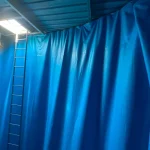
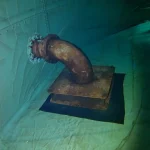
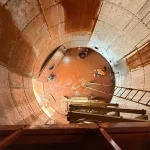
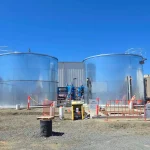
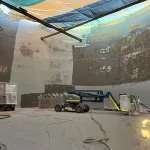
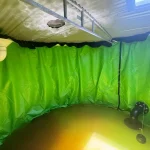
Hot-dipped galvanised (HDG) water tanks are built for long-term durability, especially in demanding applications like industrial storage and fire protection systems. Their zinc coating provides strong corrosion resistance, but HDG tank corrosion can still develop over time when exposed to Sydney’s coastal air, high humidity and variable water chemistry.
Hot-dipped galvanised water tanks are widely used across Sydney in industrial and fire protection systems.
Spotting corrosion early is the key to preventing leaks, water contamination and costly structural repairs. This guide explains the early warning signs, what causes HDG tank corrosion, and when to take action to protect your tank and extend its service life.
What Causes HDG Tank Corrosion Over Time
Galvanised steel protects itself through the zinc coating. However, over time, several factors can weaken the coating:
- Coastal salt exposure accelerates chemical reactions.
- pH imbalance or mineral-rich water slowly breaks down zinc.
- Sediment build-up traps moisture against the metal.
- Condensation inside the roof causes hidden corrosion from above.
- Old or damaged internal tank liners expose raw steel to water.
Once the zinc layer thins, rust begins forming directly on the underlying steel.
Early Signs of Corrosion You Can Recognise
Look out for these common early warning indicators:
- Dull or darkened patches on tank panels
- Small blister-like bubbles under the coating
- Orange or brown specks near bolts, seams or ladders
- White mineral staining inside the tank
- Sludge or sediment buildup on the floor
- Moisture marks or damp spots around the tank base
- Interior liner showing wrinkles, tears or lifting
These signs mean the protective system is weakening, and the metal is starting to react.
How to Perform a Simple Visual Check
You can complete a basic inspection safely without entering the tank:
1. Exterior Surface
- Check seams, joints and bolt heads closely.
- Look for streaking or discolouration.
2. Roof and Overflow Areas
- These are high-risk points where condensation collects.
- Rust here develops quietly and spreads downward.
3. Base Perimeter
- If the tank sits on concrete, moisture may be trapped.
- Any rust at the base requires prompt action.
Internal Signs of Corrosion (Without Draining the Tank)
Modern inspection methods allow internal assessment without emptying the tank. Our ROV tank inspections provide clear underwater footage to identify:
- Coating breakdown
- Sediment layers
- Internal liner wear
- Leaks forming at bolt penetrations
This prevents unnecessary downtime and eliminates confined space entry risks.
When Corrosion Becomes a Structural Concern
If you notice any of the following, the tank may require repair or refurbishment:
- Plate warping or panel distortion
- Visible gaps in seams or gaskets
- Flaking rust rather than small spots
- Leaks or water staining on the ground
At this stage, surface cleaning alone is not enough.
How Tank Liners Help Stop Corrosion Progression
Installing or replacing a high-quality PVC or poly liner creates a full waterproof barrier, preventing water from ever contacting the steel surface again.
This:
- Stops corrosion spread
- Extends tank lifespan significantly
- Reduces maintenance frequency
- Protects water quality
For many facilities, re-lining is more cost-effective than panel replacement.
Need Professional Support?
Early intervention is always more affordable than full tank replacement. If you’ve noticed any of the warning signs listed above, our team can assist with:
- ROV internal tank inspection
- Condition assessment & reporting
- Custom-made tank liner installation
- Refurbishment and corrosion repair
Modern ROV tank inspections allow us to assess interior conditions without draining the tank.

Request a Corrosion Assessment Today
Tank Liners Sydney by Raven Tanks Australia. We help Sydney facilities protect their water storage assets long-term. Get in touch and we’ll assess your tank condition and recommend the most cost-effective solution.