Water storage tanks require regular care to perform reliably. Without maintenance, small issues can quickly become major problems.
Proper maintenance improves efficiency and extends tank lifespan. It also helps prevent contamination and system failure.
Why Regular Tank Maintenance is Important
Water tanks operate under constant environmental stress. Exposure to weather, pressure, and usage affects performance.
Without proper care, tanks may develop:
- leaks
- corrosion
- sediment buildup
- reduced water quality
Preventive maintenance reduces these risks. It keeps the system stable over time. Following a structured tank maintenance approach ensures consistent performance.
1. Perform Regular Visual Inspections
Visual inspections are the first step in maintenance. They help detect early signs of damage.
Check for:
- cracks or dents
- rust or corrosion
- loose fittings
- external damage
Even minor issues should not be ignored. They often indicate deeper problems.
2. Inspect Pipes, Valves, and Connections
Tank systems include multiple components. Each part must function correctly.
Inspect:
- valves
- pressure gauges
- pipes
- connectors
Leaks or blockages in these areas reduce efficiency. They can also lead to system failure.
3. Clean the Tank on a Regular Schedule
Cleaning removes sediment and contaminants. It helps maintain water quality. Experts recommend cleaning tanks periodically. This prevents buildup that affects performance.
During cleaning:
- drain the tank completely
- scrub internal surfaces
- remove debris and buildup
This process improves both safety and efficiency.
4. Monitor Water Quality and Condition
Changes in water quality often signal problems. Discoloration or unusual odors should not be ignored.
Common causes include:
- contamination
- algae growth
- sediment accumulation
Regular monitoring helps identify these issues early.
5. Check for Leaks and Pressure Issues
Leaks reduce available water and increase costs. They can also damage surrounding infrastructure.
Watch for:
- drops in water level
- damp areas near the tank
- pressure fluctuations
Addressing leaks early prevents larger failures.
6. Test System Performance
Operational testing ensures the tank works correctly. It verifies that water flows as expected. Testing should be done regularly. It may vary depending on tank type and usage.
If any component fails during testing, repairs should be carried out immediately.
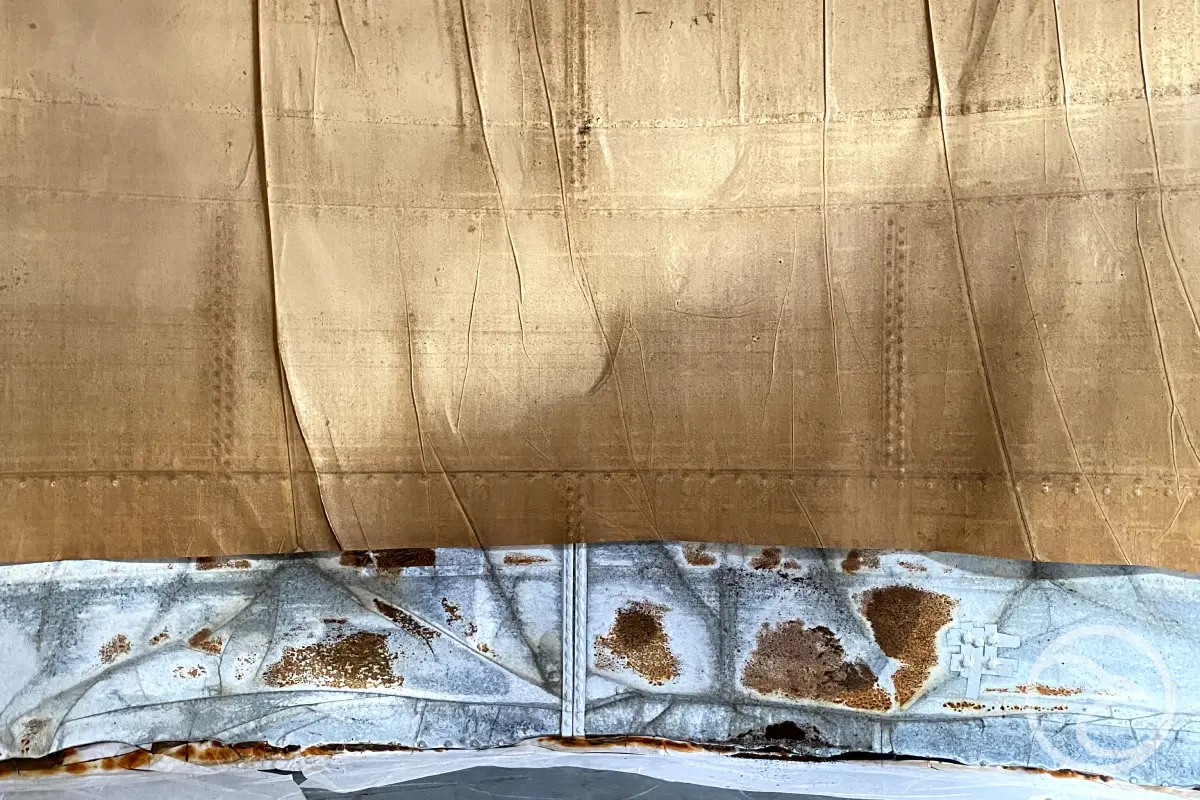
7. Prevent Corrosion and Material Damage
Corrosion is one of the main causes of tank failure. It weakens structure and leads to leaks. Protective coatings help prevent damage. These coatings should be inspected and maintained.
Environmental factors like humidity and salt air can accelerate deterioration.
8. Maintain a Consistent Maintenance Schedule
Consistency is more important than complexity. Regular small actions prevent major repairs.
A maintenance plan should include:
- inspections
- cleaning
- testing
- repairs
Maintenance also affects environmental impact. Explore sustainable water tank maintenance for a broader approach.
9. Respond Quickly to Early Warning Signs
Delays increase repair costs and risks. Small issues rarely resolve on their own.
Early action helps:
- prevent system failure
- reduce downtime
- extend tank lifespan
Proactive maintenance always outperforms reactive repairs.
Final Thoughts
Water tank maintenance is essential for system efficiency. It protects both performance and water quality. Simple actions, done consistently, make a major difference. They reduce risks and extend the life of the tank.
A proactive approach ensures your system remains reliable over time.