Water tanks are built to provide reliable service for many years. However, even well-maintained tanks eventually require attention to maintain performance and extend their lifespan.
Many owners wait until major issues appear before considering refurbishment. In reality, identifying the right time for refurbishment can help prevent larger problems and reduce long-term costs.
Understanding when to refurbish a water tank allows organisations to plan upgrades more effectively and maximise the value of existing assets.
Why Timing Matters
Refurbishment is most effective when it is planned rather than reactive. Waiting too long can increase project complexity and limit available refurbishment options.
A proactive approach helps maintain tank performance while reducing operational risks. Many facilities include refurbishment planning as part of their long-term asset management strategy.
Considering the Age of the Tank
Age is often one of the first factors reviewed. While age alone does not determine refurbishment needs, it provides useful context.
As tanks get older, materials naturally experience wear from environmental exposure and daily operation.
Owners should review:
- installation date
- maintenance records
- previous upgrades
- operational history
Older tanks may benefit from refurbishment even when they continue to function adequately.
When Performance Begins to Decline
Changes in performance may indicate that refurbishment should be considered. These changes are not always dramatic.
In many cases, performance gradually decreases over time.
Common examples include:
- reduced efficiency
- increased maintenance requirements
- ageing protective systems
- declining operational reliability
Addressing these concerns early can help extend the useful life of the asset.
Planning for Service Life Extension
Many organisations choose refurbishment as a way to extend the life of existing infrastructure. Rather than waiting for a tank to reach the end of its service life, refurbishment can be scheduled to maintain long-term performance.
This approach often supports:
- capital planning
- asset management goals
- operational continuity
- budget control
For many facilities, commercial tank refurbishment provide a practical solution for extending asset life without replacing the entire structure.
When Facility Requirements Change
Operational needs often evolve over time. A tank that met requirements years ago may benefit from upgrades to support current operations.
Changes may include:
- increased water demand
- site expansion
- updated safety requirements
- revised operational procedures
Refurbishment can help align an existing tank with these changing requirements.
The Role of Scheduled Assessments
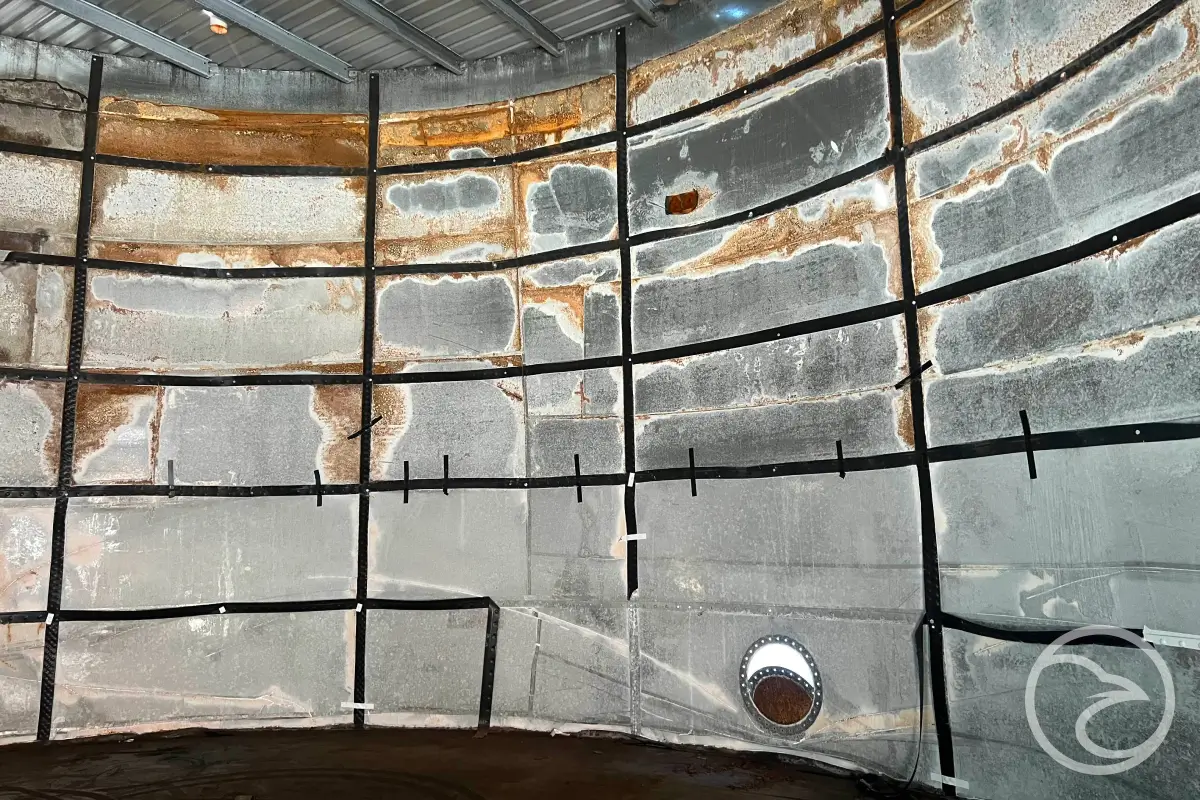
Regular assessments provide valuable information about tank condition and future requirements. These reviews help owners understand how the asset is performing and whether refurbishment should be planned.
Scheduled evaluations support more informed decision-making and reduce the likelihood of unexpected project requirements. A detailed assessment often identifies opportunities to improve performance before major upgrades become necessary.
Understanding Different Tank Designs
The timing of refurbishment may vary depending on the type of tank. Different designs experience ageing in different ways and may require different refurbishment approaches.
Understanding available water tank refurbishment methods helps owners evaluate which solutions are appropriate for their specific assets.
Tank design should always be considered when planning future refurbishment projects.
When Sectional Tanks may Benefit from Refurbishment
Sectional tanks are widely used across commercial and industrial facilities. These tanks consist of individual panels connected to create the overall structure.
Over time, owners may choose refurbishment to improve performance and extend service life. A refurbishment project can help preserve the existing tank while supporting future operational requirements.
For many facilities, sectional tank refurbishment provides an opportunity to modernise key components without replacing the entire asset.
Budget Planning and Refurbishment Timing
Financial planning often influences refurbishment decisions. Many organisations schedule refurbishment projects during capital improvement cycles rather than waiting for urgent action.
This strategy can provide several advantages:
- improved budget forecasting
- reduced operational disruption
- better project planning
- greater flexibility
Planning ahead often results in more efficient project delivery.
Refurbishment as Part of Long-Term Asset Management
Water tanks should be viewed as long-term assets. Like any important infrastructure, they benefit from periodic investment and strategic planning.
Refurbishment is often used to:
- extend service life
- improve reliability
- support operational goals
- maximise asset value
When integrated into a broader asset management strategy, refurbishment can provide significant long-term benefits.
Making the Right Decision
Determining when to refurbish a water tank requires consideration of multiple factors. Age, performance, operational requirements, future planning, and asset management objectives all play important roles.
Rather than waiting until replacement becomes the only option, many organisations choose refurbishment to maintain performance and extend the useful life of existing infrastructure.
Understanding the appropriate timing for refurbishment helps owners make informed decisions and achieve better long-term outcomes.