Standby conditions in fire system are a defining characteristic of fire protection systems. Unlike tanks used for daily water supply or industrial processes, fire tanks are designed to remain idle for long periods while holding water in a constant state of readiness. These extended standby phases create internal conditions that differ significantly from those found in continuously operating systems and have a direct influence on how tank interiors behave over time.
What Standby Conditions Mean for Fire Tanks
Fire system typically remain filled and inactive until testing procedures or emergency events occur. During standby conditions, water movement inside the tank is minimal, and internal circulation is limited. This static environment allows physical and chemical processes to develop gradually, often without visible external indicators.
Because standby periods can last months or even years, the internal environment of a fire system is shaped more by time and stability than by frequent operational change. Understanding these conditions helps explain why fire tanks experience unique internal behaviour compared to other water storage systems.
Limited Water Movement and its Effects
One of the most notable aspects of standby conditions in fire tanks is the lack of regular water movement. Without continuous flow, water inside the tank can stratify into layers with slightly different temperatures or chemical characteristics. Over time, this stratification can influence how internal surfaces are exposed to moisture and dissolved gases.
Sediment particles present in the water may gradually settle at the base of the tank. This accumulation creates localised zones where moisture remains in prolonged contact with internal surfaces, potentially altering material behaviour in those areas. These effects develop slowly and are closely linked to extended idle periods.
Oxygen Availability and Internal Environment Changes
Dissolved oxygen plays an important role in shaping internal conditions during standby. In static water, oxygen distribution may become uneven, particularly near surfaces and corners where circulation is weakest. Variations in oxygen concentration can influence surface reactions and material ageing patterns.
During standby conditions in fire system, these oxygen-related changes tend to stabilise rather than fluctuate. While this stability reduces sudden internal stress, it also allows gradual processes to persist uninterrupted over long durations.
Temperature Stability and Seasonal Influence
Fire system often experience relatively stable internal water temperatures during standby. However, seasonal environmental changes can still affect internal conditions indirectly. External temperature variations may influence water temperature near tank walls, creating subtle thermal gradients.
Repeated seasonal cycles can introduce slow expansion and contraction within the tank structure. While these movements are typically minor, their cumulative effect over extended standby periods contributes to internal condition changes that are not immediately apparent.
Interaction Between Standby Conditions and Tank Materials
Different tank materials respond in distinct ways to prolonged standby conditions. Steel tanks may experience surface changes related to moisture and oxygen exposure, particularly in areas with limited circulation. Concrete tanks can be influenced by long-term moisture contact at internal surfaces, while composite tanks may show gradual changes at joints and interfaces.
Standby conditions in fire system allow these material-specific responses to develop slowly. Rather than causing rapid deterioration, the idle environment encourages gradual ageing processes that reflect long-term exposure rather than acute stress.
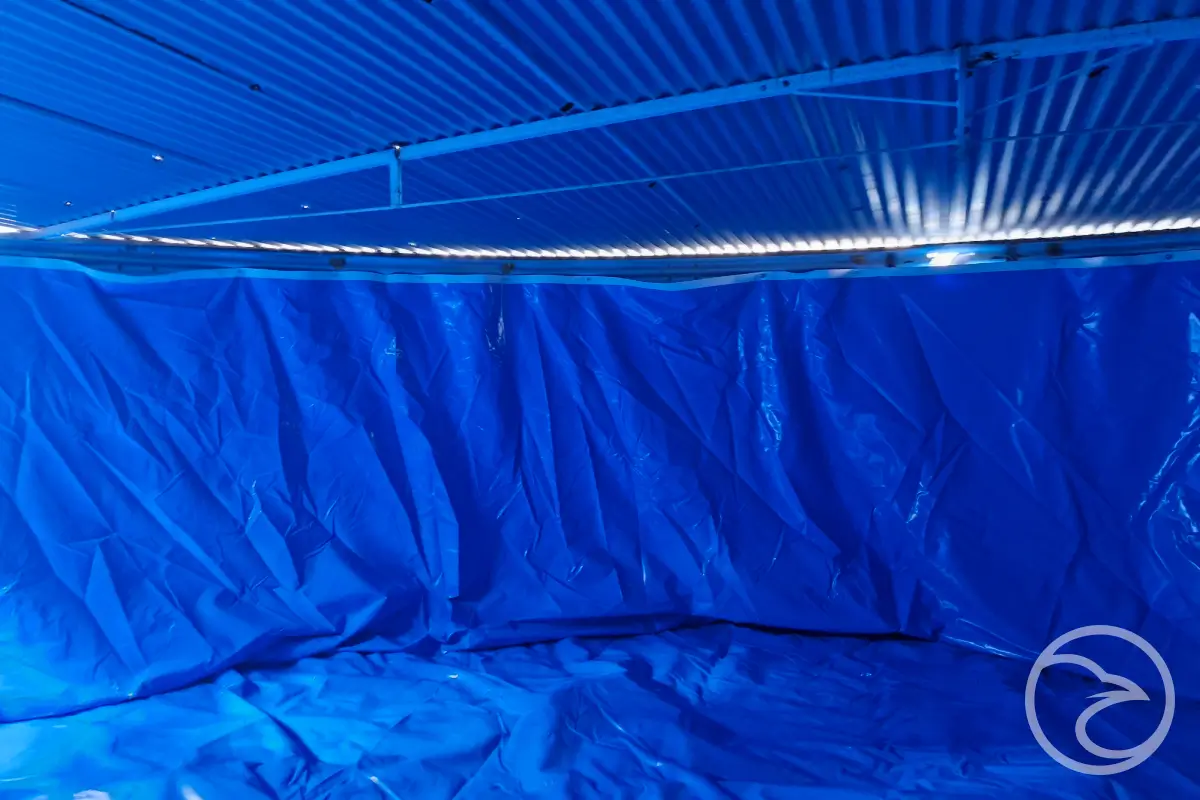
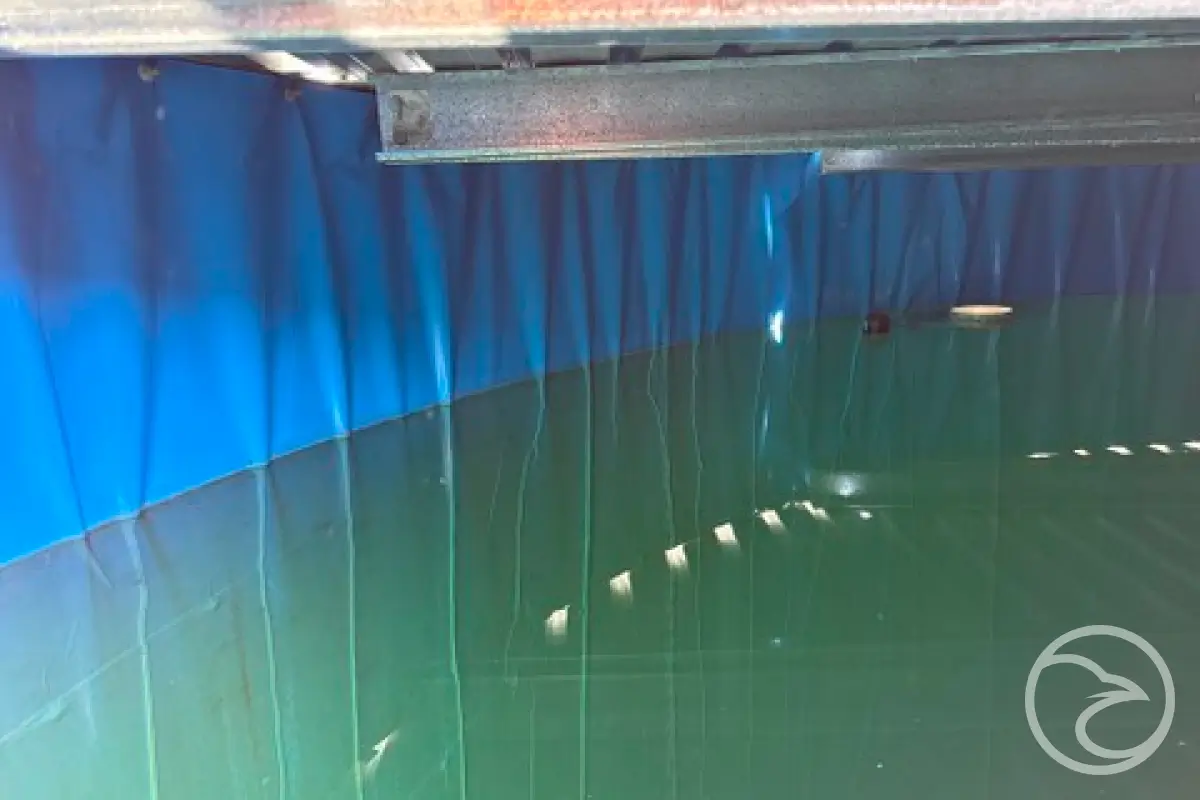
Prolonged idle operation highlights how internal surfaces respond to stable moisture exposure and limited circulation, an aspect often examined within broader discussions on internal lining approaches for fire system environments.
Effects of Periodic Testing and Activation
Although fire system spend most of their time in standby, periodic testing introduces brief periods of activity. Sudden water movement during testing can disturb settled sediments and temporarily alter internal conditions. These short events contrast sharply with long idle phases and create intermittent changes within the tank.
The transition between standby and activation highlights how internal environments respond to changing conditions. However, because testing events are infrequent, the overall internal behaviour of fire tanks remains dominated by extended standby periods.
Long-Term Implications of Standby Conditions
Over time, standby conditions in fire tanks shape internal environments in predictable ways. Gradual material ageing, sediment accumulation, and stable moisture exposure become defining characteristics of tank interiors. These processes rarely produce immediate operational issues but can influence long-term performance expectations.
Understanding how standby conditions affect internal behaviour allows engineers and facility managers to interpret internal changes more accurately. Rather than viewing these changes as isolated issues, they can be understood as natural outcomes of prolonged idle operation.
Interpreting Standby Conditions as Part of Fire Tank Design
Standby conditions in fire tanks are not a flaw but a fundamental aspect of their design and function. Fire protection systems rely on readiness rather than continuous operation, and internal environments reflect this priority. By recognising how extended idle periods influence internal behaviour, stakeholders gain a clearer picture of long-term tank performance.
This perspective supports informed assessment of internal conditions and reinforces the importance of understanding standby behaviour when evaluating fire tank systems over their full service life.